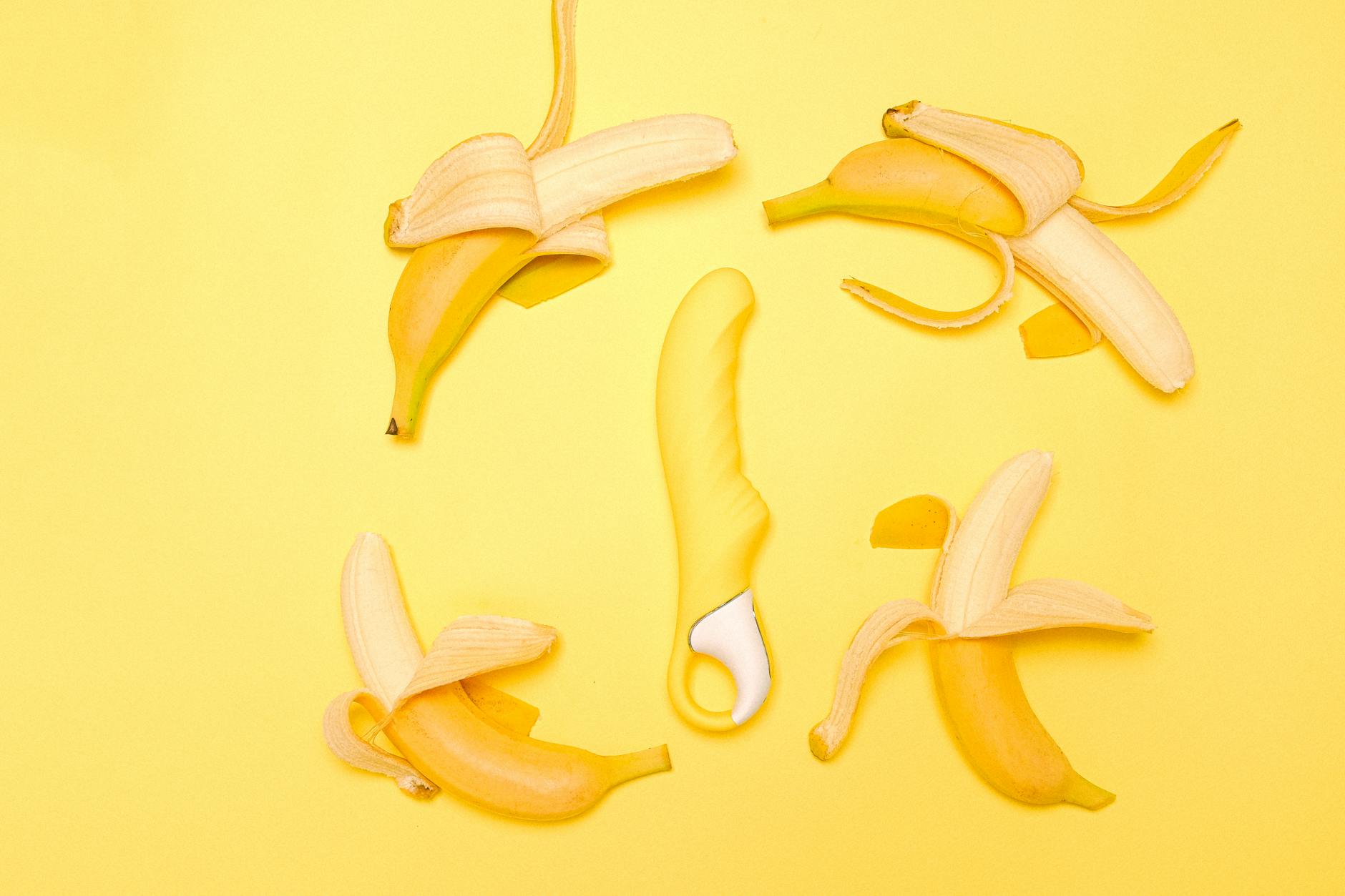
Why Lemon Vibrators Feel Different After Starting Hormonal Birth Control
Let's be real: starting hormonal birth control often changes how your body feels during sex. Not in a dramatic, everything-falls-apart way. But in a noticeable, sometimes frustrating, sometimes actually-kind-of-nice way that can catch you off guard if you're not expecting it.
The weird part? Almost nobody talks about this. Your doctor mentions mood swings and nausea. Your friends might warn you about weight changes. But the shift in how pleasure feels during masturbation or sex with a partner? That tends to get buried under a lot of silence.
If you've started hormonal birth control and suddenly your favorite lemon clitoral vibrator feels different, you're not imagining it. Your brain chemistry and tissue sensitivity have actually changed. Here's what's happening and what to do about it.
How hormonal birth control rewires arousal
When you start the pill, patch, ring, or shot, you're introducing synthetic hormones (usually a combination of estrogen and progestin, or progestin alone) that suppress your natural hormone cycle. This is the whole point. But suppressing your cycle has a side effect that nobody really prepares you for: it changes how your nervous system responds to touch.
Your brain's arousal system depends partly on dopamine, a chemical that builds anticipation and drives desire. Hormonal birth control can slightly lower dopamine availability during the follicular phase of your cycle, which historically was your "up" phase for desire. At the same time, progestin (the synthetic progesterone) can feel more sedating to some people, making it harder to build that excited, turned-on feeling that makes pleasure peak.
What this means in practice: you might need more time to get aroused. Your clitoris might feel a bit less sensitive. Orgasms might take longer to build, or feel less intense, or come in waves instead of that sharp peak you're used to.
It doesn't mean pleasure disappears. It means your body's operating system just shifted, and you're running old software.
The sensitivity factor
Beyond arousal hormones, birth control affects blood flow and tissue thickness. Estrogen keeps vulvar tissue hydrated and engorged. When you're on hormonal birth control, your estrogen levels are lower and more stable than they would be in a natural cycle. This can mean less engorgement, which sometimes translates to less sensation, especially at the beginning of stimulation when you're still building toward arousal.
However, this is not universal. Some people report better sensitivity on birth control because the hormonal stability actually feels calming instead of destabilizing. If you have PMDD (premenstrual dysphoric disorder) or severe PMS, flattening out the hormone roller coaster might actually improve your access to pleasure by reducing anxiety and irritability.
The pattern: if you felt more sensation before starting birth control, you might feel less now. If hormonal swings were messing with your mood and desire, you might feel more consistent arousal, even if it's slightly lower in absolute intensity.
What changes with your lemon vibrator experience
Say you started using a lemon clitoral vibrator before birth control. Here are the adjustments you might notice in the first 3-6 months:
Longer warm-up time. That moment where you press the lemon against your clitoris and feel an immediate jolt? It might take 2-3 minutes of contact instead of 30 seconds to feel that same intensity. This isn't failure. It's just a longer ramp.
Lower intensity feels right. If you were using pattern 5 or 6 on the lemon, you might find patterns 2-4 feel more comfortable now. The suction sensation can feel almost shocking if you're not used to having less baseline sensitivity. Start lower and work up.
Orgasms feel different architecturally. They might be softer, more diffuse, or take longer to crest. Some people report fewer orgasms per session. Some report that they arrive in waves instead of peaking once. This can actually be great if you're someone who prefers extended pleasure, though it can feel disappointing if you were chasing that sharp release.
Lubrication might change. Many people on hormonal birth control notice their natural lubrication is slightly less. A water-based lube isn't necessary if you're someone who didn't need it before, but it might make the experience feel better now.
The timeline for adjustment
Honestly, your body needs time. The first month on birth control is chaos. Hormones are settling. Your brain is reacclimating. By month 2-3, you'll have a clearer picture of what the new baseline feels like.
Some people adapt completely by month 4-5 and feel like pleasure is back to normal. Others stay adjusted to the new sensitivity indefinitely, which is fine. Your body isn't broken. It's just operating on different chemistry.
If you're at month 3 and things still feel completely flat, it's worth checking in with your prescriber about whether this specific formulation is right for you. Different birth control pills have different hormone ratios. A slightly higher estrogen formulation might feel better. Or a different delivery method might work better. This is worth advocating for.
How to recalibrate with your lemon sucker
Three practical shifts that help almost everyone:
First, be patient with the warm-up phase. Spend the first 5-10 minutes with your lemon clitoral vibrator on the lowest setting, just getting used to the sensation. This isn't foreplay. It's neurological priming. Your brain is relearning what arousal feels like at this new hormone level.
Second, combine it with other stimulation. A lemon vibrator works best when you're already somewhat aroused. Add manual touch elsewhere, clench and release your pelvic floor, use your imagination. The lemon is a tool, not the whole experience.
Third, experiment with pattern variation. The lemon has multiple patterns. Spend a week on pattern 1. Next week try pattern 3. You might find that alternating patterns actually builds sensation better than staying in one pattern until orgasm arrives.
The mental piece (which is bigger than people admit)
Here's the thing that nobody tells you: the physical changes are real, but the mental part is often bigger. Starting birth control can come with this underlying anxiety about what you're losing. You might catastrophize a little bit. "Will I ever feel pleasure the same way again?" "Is this permanent?" "Did I make a mistake?"
Then you add the sensory shift on top of the anxiety, and your brain actually produces less arousal because you're partly tense and waiting for disappointment.
Breaking that cycle matters. Understanding that this is temporary and expected is half the battle. The physical changes are real, but they're not tragic. They're an adjustment. Like when you switch phones and the buttons are in different places.
When to check in with your doctor
If you feel completely zero libido, not just less sensitivity but active disinterest in sexual pleasure, mention it to whoever prescribed your birth control. Some people genuinely have a harder time with libido on certain formulations. It's not a character flaw. It's a real side effect. There are other options.
If you're having pain during sex or with the vibrator (versus just less sensation), that's also worth mentioning. Birth control doesn't cause pain, but it can sometimes exacerbate other things like tension or infection. Rule those out.
Otherwise, give yourself the same grace you'd give a friend in this situation. Your body is adjusting. Your pleasure is not gone. It's just being recalibrated.
The upside
For many people, hormonal birth control creates something surprisingly good after the adjustment: more stable, less reactive pleasure. No more riding a wave where day 2 of your cycle feels totally different from day 21. Just a steady baseline that you can count on.
Some people say their best orgasms come on stable hormones because they're not being thrown around by the monthly cycle. Others say they appreciate the calmer arousal pattern because they can actually focus on intimacy instead of chasing physical sensation.
If you're using a lemon vibrator or any clitoral vibrator, how you're using it might also need adjustment based on where you are in your cycle. The good news is your body adapts. You adapt. And sometimes what feels like a step backward is actually just a step sideways into something different.
FAQ
How long before my sensitivity returns to normal after starting birth control?
Most people notice the biggest adjustment in the first 3 months. By 4-6 months, you've usually settled into a new baseline. Some people feel back to their old sensitivity within a couple of months. Others stay adjusted to lower sensitivity indefinitely, and that becomes their new normal. It's not that it "returns." It's that you develop a new relationship with pleasure that works for your body now. If you're still feeling flattened out at 6 months, talk to your prescriber about trying a different formulation.
Does this happen with all types of hormonal birth control?
It's most common with combination pills (estrogen plus progestin) and less common with progestin-only methods like the minipill or hormonal IUD. But people report sensitivity changes across all types. The specific formulation matters. A pill with higher estrogen might feel different from one with lower estrogen. The only way to know is to try it and pay attention.
Will starting a lemon clitoral vibrator while on birth control feel better or worse than before?
If you've never used one, you have no comparison point, so it'll just feel like what it is. If you used one before starting birth control, you might notice the sensation is more diffuse. This isn't bad. It's just different. Many people find that a lemon sucker is actually better after starting birth control because it requires less baseline sensitivity to feel good. The suction sensation works on a different neural pathway than direct vibration.
Can birth control affect my partner's experience with me during sex?
Yes, indirectly. Lower lubrication might mean you want lube. Longer warm-up time means foreplay matters more. But your partner shouldn't feel a dramatic physical difference. The changes are mostly about your internal experience. If you communicate that you need more time or different stimulation now, that's healthy information to share. Many couples need to renegotiate intimacy when one person's body changes, and that's actually a good thing.
Should I use a different intensity setting on my lemon vibrator after starting birth control?
Sometimes. Many people find that starting at a lower pattern and working up feels better than jumping straight to their old intensity. But this is personal. Some people barely notice a change. Others need to dial way down. Experiment with your lemon clitoral vibrator starting at pattern 1 and spending time there before moving up. You'll figure out what works.
What if I hate how my pleasure feels on birth control?
That's real feedback. Give it 3 months. If at 3 months you're still miserable, your doctor can help you try a different formulation or even a different method altogether. This isn't a life sentence. Your pleasure matters enough to advocate for a version of birth control that works for your body.
Starting hormonal birth control is a transition. Your body is literally running on different chemistry, and pleasure is sensitive to chemistry. That doesn't mean something's wrong. It means you need to recalibrate. And with a little patience and a tool like a lemon vibrator, you'll figure out what pleasure looks like for you now.