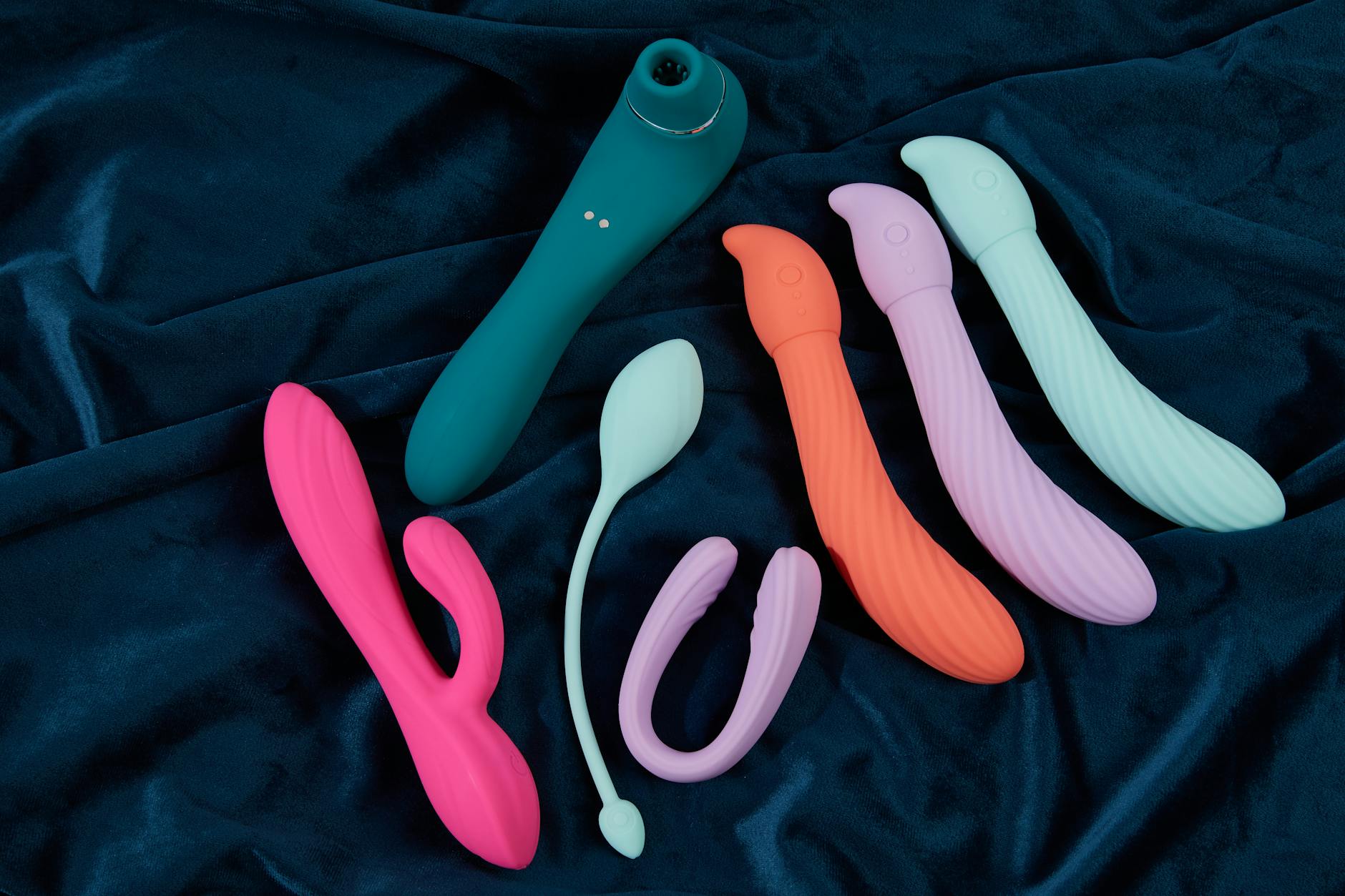
The arousal timeline mismatch is real. So is the resentment it creates.
Here's what I hear in my practice over and over: one partner climbs into bed ready to go, and the other is still mentally at work, thinking about laundry, wondering if they locked the door. Twenty minutes later, one is frustrated. The other feels guilty. Nobody wins.
The tension gets worse because it's invisible. There's no medical problem, no obvious fix. It's just bodies that operate on different schedules. And when one person feels like they're waiting, and the other feels like they're failing, couples start avoiding sex entirely. That's the real danger.
Why arousal timelines drift apart
Arousal speed is not a measure of desire. Let me say that again because it matters: how fast your body responds has almost nothing to do with how much you want your partner.
Here's the physiology. The sympathetic nervous system (your fight-or-flight) is designed to shut down arousal when you're stressed, preoccupied, or anxious. The parasympathetic system (rest-and-digest) opens arousal up. If one partner has a job with high stakes, kids demanding attention, or a brain that naturally runs faster, their sympathetic system stays more active. Arousal takes longer to activate because the body is still in problem-solving mode.
The other partner might have a job that ends cleanly, fewer mental load items, or a naturally slower nervous system baseline. They can shift into parasympathetic mode faster. Neither person is broken. Their nervous systems are just calibrated differently.
Add in hormones, medication side effects, stress cycles, or past relationship patterns, and the timeline gap widens. One partner might need a different setup entirely. Maybe you need earlier in the evening, or less stimulation before penetration, or fifteen minutes of conversation instead of touch. The problem is that without a tool to bridge this gap, couples often stop trying.
How a lemon clitoral vibrator changes the equation
Lemon sucker vibrators, especially models like the Lemon, work with arousal timelines instead of against them. Here's why they're particularly useful for couples navigating mismatched speeds.
They compress warm-up time without skipping the important part. The faster partner doesn't have to sit idle. They can use the lemon vibrator's suction patterns to guide their own arousal while their partner transitions. This isn't selfish. It's maintenance. You're keeping your own arousal window open instead of waiting for it to cool.
They remove the performance pressure. When arousal is slow, touch often feels like pressure to speed up. A vibrator gives the slower partner direct control. They set the pattern, intensity, and pace. Their partner watches, touches them elsewhere, stays present without the invisible demand to "get there faster."
They introduce variety that both partners benefit from. A lemon clitoral vibrator doesn't replace partner touch. It augments it. The slower partner might find that suction patterns activate sensation faster than finger stimulation alone. The faster partner gets to participate in the discovery instead of just waiting.
The practical setup that works
I recommend a three-phase approach for couples with timeline mismatches.
Phase 1: Non-sexual introduction. Before you ever use the lemon vibrator in a sexual context, one partner uses it solo. Get comfortable with the patterns, the sensation, the sound, the cleanup. You're not trying to finish. You're learning your own response so you can explain it to your partner without fumbling for words in the moment.
Phase 2: Parallel play. Next time you're together, the faster partner uses the lemon vibrator on themselves while the slower partner is undressing or warming up. Not hidden, not embarrassing. Just available. This removes the pressure from the slower partner to match speed, and it keeps the faster partner engaged while the slower partner's nervous system catches up.
Phase 3: Integration. Once both of you know how the vibrator feels, the slower partner can use it while their partner touches them in other ways, or watches, or participates in the stimulation. The timeline gap shrinks because you're not waiting anymore. You're both active, both building arousal, just in different ways.
The conversation that has to happen first
Before you buy a lemon sexual toy or suggest parallel play, you need to name the pattern. Not in a blaming way. In an observation way.
Say something like: "I've noticed I tend to warm up faster than you, and I don't think you realize how much I notice you trying to catch up. That's putting pressure on you, and it kills the experience for both of us. I want to try something different. I want us to both feel good without one of us waiting."
Or if you're the slower partner: "I take longer to get turned on, and I know you're frustrated waiting. I don't want sex to feel like a race. Let me suggest something that might help us both feel less rushed."
The vibrator is not the solution. The conversation is. The vibrator is just the tool that makes the new pattern possible.
When timing differences hide deeper issues
Sometimes a mismatch in arousal timelines points to something else. If the slower partner's hesitation is actually ambivalence about the relationship, or resentment, or low attraction, a lemon clitoral vibrator won't fix it. You'll both feel that friction.
If the faster partner's speed is actually impatience or dismissiveness of their partner's experience, adding a vibrator just enables that dynamic to continue. The real work is on the relationship, not the tool.
If you've tried slowing down, talking, and the gap is still creating distance, that's a sign to work with a couples therapist. Arousal timelines are one of the easier relationship problems to solve, but only if both people actually want to solve it together.
Building a shared arousal practice
The goal isn't for both of you to feel turned on at exactly the same moment. That's not how bodies work. The goal is for both of you to feel like you're on the same team, not competing for time or space or pleasure.
A lemon vibrator helps because it makes arousal visible and shared. Instead of one person waiting and the other person performing, you're both showing up as yourselves. One partner might climax quickly while the other is still building. That's fine. The point is that neither of you is invisible in the process.
Over time, couples who use this approach report that the arousal timeline gap actually narrows. Not because the slower partner learned to speed up, but because the pressure lifted, and without that pressure, nervous systems relax faster. That's the paradox of arousal timing. The more you stop trying to rush it, the less time it actually takes.
FAQ
Why does mismatched arousal timing cause so much relationship conflict?
Arousal speed feels personal. When one partner feels slow, it's easy to interpret their partner's impatience as "they don't find me attractive" or "I'm broken." When one partner feels impatient, they can interpret their partner's slowness as "they don't really want this" or "they're withholding." Neither of those narratives is usually true, but they embed themselves quickly. A lemon vibrator removes the pressure that creates those stories.
Can using a vibrator make my partner feel like I'm not satisfied with them?
This is the fear that stops most couples from trying. The answer is no, not if you frame it right. Position it as a tool that helps you both feel better, not a replacement for partner touch. Use it alongside your partner, not instead of them. Emphasize that you're trying to make sex better for both of you, which is true.
How do I bring up using a lemon vibrator without making my partner feel inadequate?
Don't lead with the vibrator. Lead with the pattern. Say: "I want us to feel less rushed when we have sex. I've been thinking about ways we could both relax more, and I have an idea." Then explain the actual idea. Mention that couples often use vibrators to help with exactly this timing issue. Make it normal, make it collaborative, and make it clear that this is about solving a problem together, not about replacing anything.
If I use a lemon vibrator, will I become dependent on it for arousal?
No. Vibrators don't rewire your capacity for arousal from partner touch. They amplify sensation. If you stop using it tomorrow, your body reverts to baseline. What changes is that your nervous system has learned it's okay to receive direct stimulation, and you've both learned how to share pleasure without performance pressure. Those changes stick.
What patterns on a lemon clitoral vibrator work best when arousal is slow?
Start with lower intensity patterns and work up. Many people find that pulsing or rhythmic patterns help build arousal more gradually than constant vibration. But everyone's different. The slower partner should experiment alone first to find what helps their particular nervous system shift into gear. Then bring that knowledge into partnered time.
Can a lemon vibrator help if one partner has low desire due to medications or hormones?
It can help with the mechanics. If antidepressants or hormonal contraception are dampening sensation, direct clitoral suction stimulation sometimes activates arousal faster than other types of touch. But it won't solve the underlying chemical issue. That usually requires a conversation with a doctor about switching medications or adjusting timing. The vibrator makes the experience better while you're managing the bigger picture.