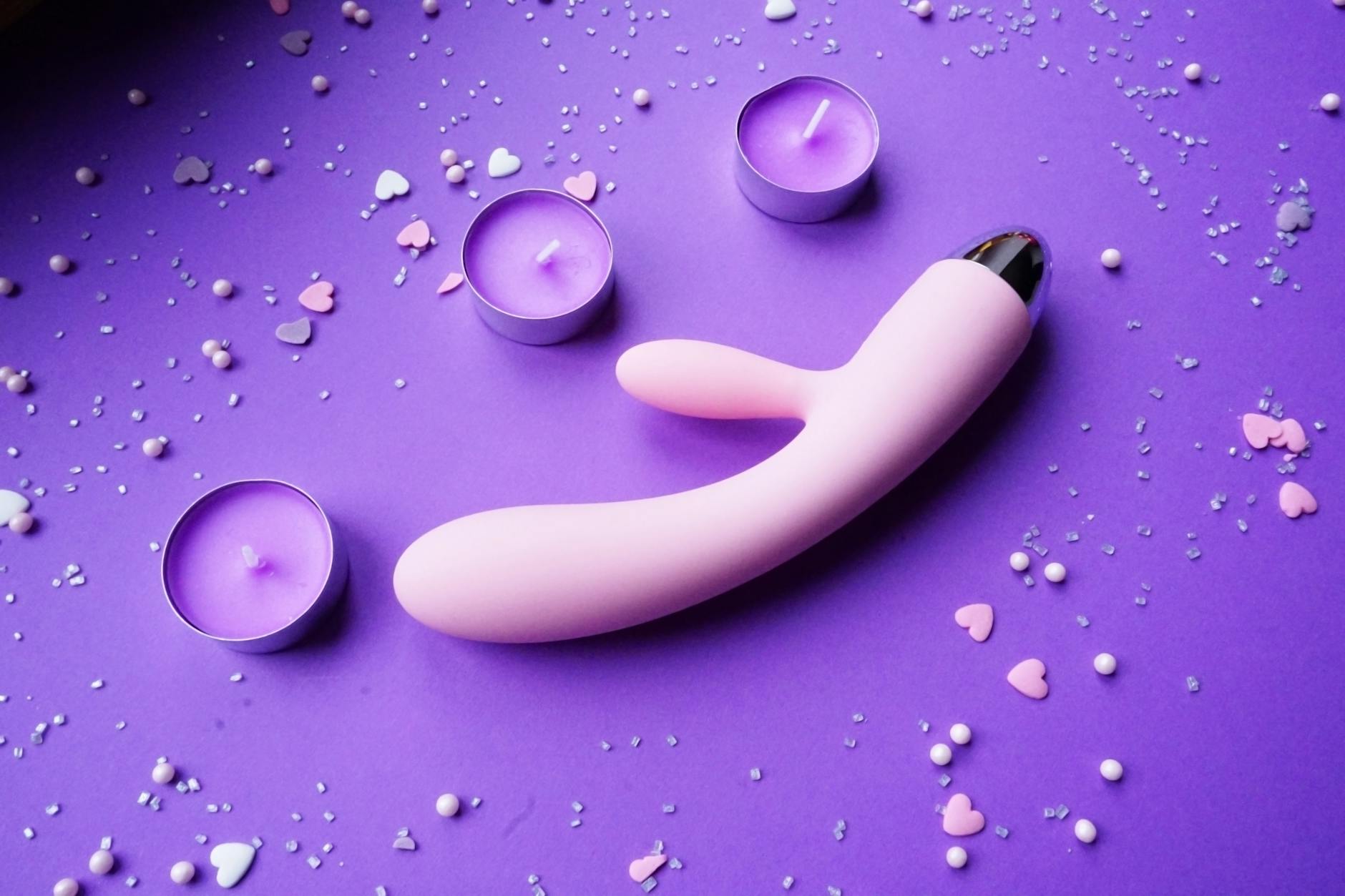
Here's the thing about depression and desire
Depression doesn't just lower your mood. It lowers everything. Appetite, energy, the ability to feel pleasure in things that used to light you up. And yes, sex drive. The two are connected more directly than most people realize.
When depression is present, the neurotransmitters that fire up arousal and pleasure get muffled. Dopamine drops. Serotonin flattens. Your body stops sending out the signals that usually say "yes, this feels good." It's not laziness or lack of attraction. It's neurochemistry. And it's fixable, but it requires a different approach than the one that worked before.
That's where understanding how to use a lemon vibrator becomes practical, not optional. A good clitoral vibrator like the Lem does something your body alone can't always do right now: it creates consistent, direct stimulation that bypasses the sluggish motivation and speaks directly to your nervous system. It gives your brain a reason to feel something.
Why depression tanks libido so specifically
Depression is a whole-body state, but it hits sexuality in particular ways.
First, depression numbs sensation. You might touch your skin and notice it feels distant, like you're watching someone else's hand. That disconnection from physical sensation is one of depression's signature moves. When that happens, normal touch stops working. Your partner can kiss your neck and you feel maybe 40 percent of it. A light touch might register as nothing at all.
Second, desire requires projection into the future. You have to imagine feeling good tomorrow to want something today. Depression kills that. The present moment gets so heavy that imagining pleasure in an hour feels impossible.
Third, libido requires energy. Not just physical energy, but mental bandwidth. Depression consumes both. The thought of initiating sex, navigating another person's expectations, performing arousal, feeling like you're supposed to want this. The load is too much.
A lemon clitoral vibrator solves for some of this directly. It delivers sensation without requiring imagination. It builds arousal through physical input rather than waiting for it to arrive on its own. It's solo, so there's no performance pressure, no partner timing, no negotiations.
Starting small when motivation is at zero
Most advice about using any vibrator assumes baseline arousal exists. You feel a spark and then amplify it. But when depression is present, there often is no spark.
So the first rule is this: abandon the goal of getting aroused. That's counterintuitive, but it works.
Instead, the goal is just sensation. Nothing more. You're not trying to have an orgasm or feel sexy or prove that you're functional. You're testing whether a consistent external stimulus can register in your body at all.
Start in a comfortable position. No pressure to be naked, sexy, or ready. Wear what you'd wear if you were just sitting with the Hello Nancy Lem. Use lubricant even if you don't think you need it. When depression is present, arousal fluid doesn't flow the way it usually does. Water-based lubricant creates the sensation of touch without the friction that can feel overwhelming.
Turn on the lowest setting. The Lem has multiple patterns and intensities, but at this stage, you're not exploring them. You're testing the baseline. Rest the vibrator against your clitoris for 30 seconds. Don't move it. Don't chase anything. Just notice what you feel.
If you feel nothing, that's data, not failure. If you feel mild sensation, stay there for another 30 seconds. If it feels good, you can stay or move to a slightly higher setting. The entire session might be five minutes. That's completely fine.
How to rebuild the pleasure signal over time
Here's what happens if you keep showing up with a lemon vibrator even when depression is still present: your nervous system gradually remembers what pleasure feels like.
This isn't about forcing anything. It's about consistency. The brain learns through repetition. If you use the Lem twice a week, every week, for three or four weeks, even with zero pressure to orgasm or feel great, something shifts. The neural pathway between external stimulation and internal sensation starts lighting up again.
In week one, you might feel almost nothing. In week two, you notice mild sensation but it feels distant. In week three, the sensation is clearer. In week four, you might feel the first tiny shift toward something closer to genuine arousal.
This isn't quick, and it won't feel like the lightbulb moment of pleasure you remember from before depression. It feels more like waking up your arm after it's been asleep. Tingly, slightly numb, but there.
The key is showing up without expectation. The moment you think "I should be feeling more by now" or "other people would be having an orgasm by now," you've reintroduced the pressure that killed the signal in the first place.
Why a clitoral vibrator works better than other methods
When depression is present, your own hand can feel like it's not enough. You press, nothing happens. You try different angles, still nothing. The effort required to manually achieve stimulation can feel so high that you quit.
A lemon clitoral vibrator removes that variable. The Lem generates consistent vibrational frequency that your fingers can't replicate. It doesn't get tired. It doesn't adjust based on your response or lose focus. It just does one thing extremely well: it stimulates the dense nerve tissue of the clitoris with precision.
For someone whose sensation is already muffled by depression, that precision matters. You're not working against friction or variable pressure. You're working with a tool that's designed for exactly this job.
Other methods like penetration or partnered sex add another layer: social engagement. Your brain has to show up not just sexually but socially. That's a huge ask when depression is present. A lemon vibrator is private, low-stakes, and entirely within your control.
The role of consistency and self-compassion
Here's what I tell my clients who are navigating depression and sexuality: using a vibrator is not a backup plan or a consolation prize. It's legitimate self-care.
When you use a lemon sucker or clitoral vibrator while managing depression, you're doing something radical. You're telling your brain that your body matters enough to invest in. You're practicing sensation when sensation feels far away. You're showing up for yourself even when showing up feels hard.
Some weeks you'll use your Lem consistently. Other weeks you'll forget or not have the energy. Neither is bad. The goal isn't a streak. It's just continuing to offer your nervous system the opportunity to feel.
If orgasm comes, great. If it doesn't, that's okay too. Depression sometimes prevents orgasm even when stimulation is working. That doesn't mean the tool isn't working. The signal is still being rebuilt. The brain is still waking up.
Most importantly: using a lemon vibrator is not a substitute for treating depression. If you're struggling with libido loss from depression, you should also be working with a therapist or psychiatrist. That's the actual solution. The vibrator is the bridge, not the destination.
Moving forward as depression lifts
Something interesting happens as depression treatment starts working and baseline mood lifts a little. Suddenly the vibrator that felt like it was doing all the work starts interacting with an actual signal from your brain. Arousal starts to return, not because the vibrator changed, but because your nervous system did.
At that point, you might notice the Lem feels different. More intense. More capable of building something. That's the signal coming back online.
If you're working with a partner, this is also when you can start reintegrating shared sexuality if that's something you want. But there's no rush. Solo pleasure with a clitoral vibrator is complete in itself. It's not a warm-up or a placeholder. It's real.
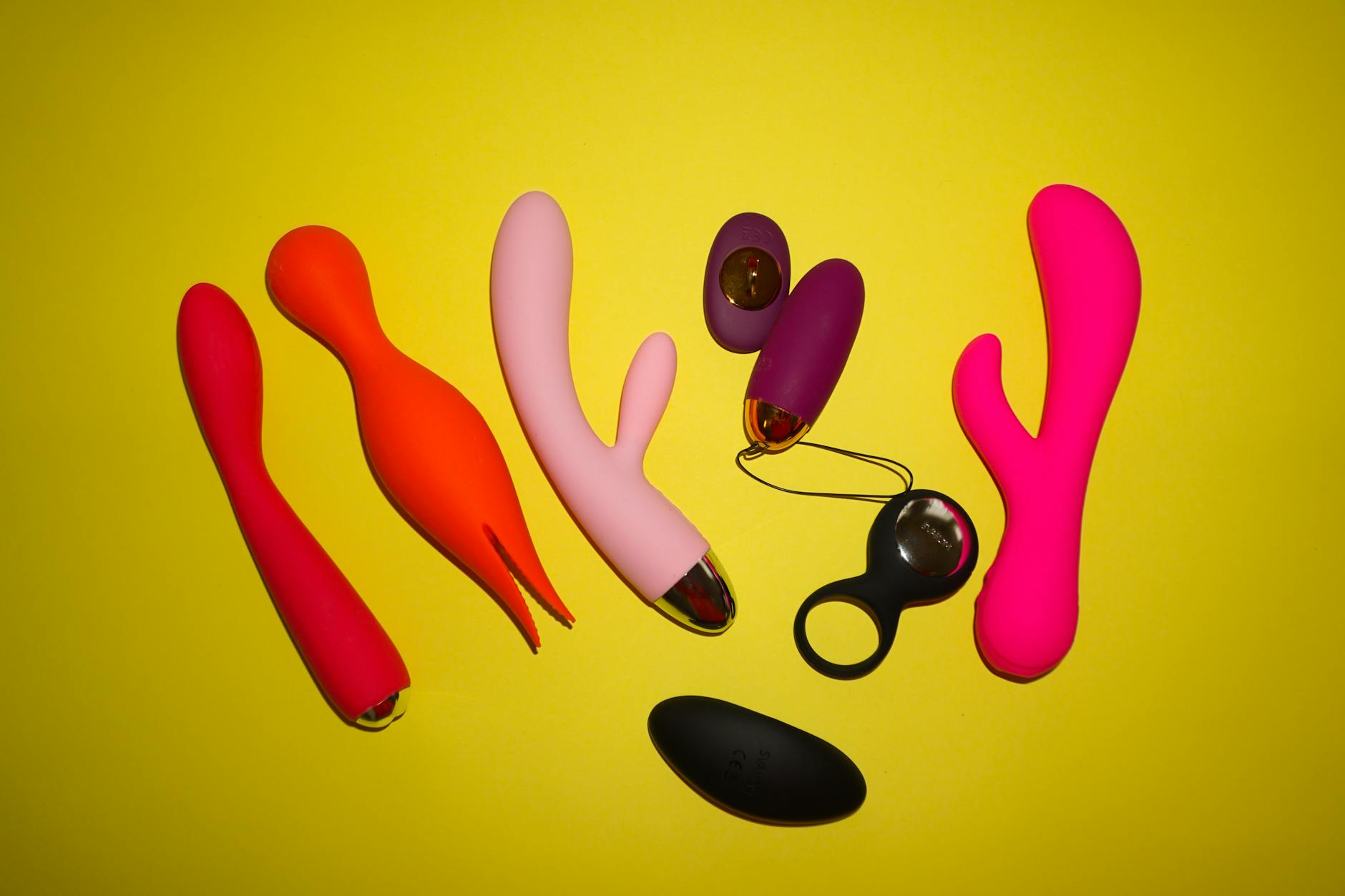
Photo by FounderTips on Pexels
The biggest mistake people make is waiting for motivation to return before they engage with pleasure again. It doesn't work that way. Motivation often returns after pleasure returns. A lemon vibrator shortens that lag. It gives your body permission to feel good even when your mind is still recovering.
FAQ: Depression, Low Libido, and Lemon Vibrators
Can I use a lemon vibrator if I'm taking antidepressants that lower my sex drive?
Yes, and for the same reasons it works with depression itself. Some antidepressants, especially SSRIs, can reduce arousal and orgasm capacity as a side effect. A lemon clitoral vibrator can sometimes help compensate by providing external stimulus that bypasses the dulling effect. That said, talk to your doctor about this side effect. Sometimes switching medications or adjusting dose helps more than any tool can. The vibrator is supplemental, not a fix for medication-induced sexual dysfunction.
How long should I wait before expecting to feel pleasure again?
There's no fixed timeline. For some people, sensation returns noticeably within two to three weeks of consistent use. For others, it takes six to eight weeks. The key is that you need to be consistent and patient. Your nervous system is learning to feel again, and that takes time. If you're still not noticing any shift after eight weeks and you're using the vibrator twice weekly, check in with your therapist or doctor. Sometimes depression needs additional treatment before pleasure can fully return.
Is it normal to not feel an orgasm even when the vibrator feels good?
Completely normal. Depression can allow sensation to return while still blocking orgasm. That's because orgasm requires an additional neurological switch. You can feel the vibrator, feel pleasure, and still not cross over into climax. Don't treat that as failure. You're still rebuilding. Keep showing up, and orgasm often follows once the pleasure signal is stronger.
Should I tell my partner I'm using a vibrator if I'm depressed and my libido is low?
That's a personal choice, but I recommend it. It removes shame from the picture and helps your partner understand what you're doing. If your partner can frame your vibrator use as you taking care of yourself rather than a reflection on them or the relationship, it often strengthens intimacy. Many partners feel helpless when depression tanks libido. Knowing you have a tool that's helping you can actually ease their anxiety. For more on communicating about this with a partner, read about how to use a lemon vibrator with different partners.
Can depression medication and vibrator use work together?
Yes. In fact, they usually do. Depression medication addresses the brain chemistry. A vibrator addresses the reconnection to sensation. They're complementary. The medication creates the conditions for pleasure to return. The vibrator helps the body remember how to feel it. Together, they're more effective than either alone.
What if using a vibrator makes me feel worse or more numb?
Stop and check in with yourself. Sometimes using a vibrator when depression is very severe can highlight the numbness rather than ease it. That's important data. If that's happening, talk to your therapist. It might mean depression treatment needs adjustment first. Or it might mean starting with even gentler input. There's no shame in pausing vibrator use until your baseline mood shifts a bit. The tool will be there when you're ready.
The bigger picture
Low libido from depression feels permanent when you're in it. It also feels like proof that something is broken inside you. Neither is true. Your body hasn't stopped working. Your brain chemistry has shifted, and it can shift back.
Using a lemon vibrator while managing depression is one small thing you can do to speed that shift. It's not the whole solution. But it's something you can control in a moment when so much of depression is completely outside your control.
Start small. Show up consistently. Be patient with your body and your nervous system. Pleasure can return. Often it does.