Let's name what's actually happening
Touch aversion isn't about being broken or frigid. It's a protective response your nervous system learned because something hurt, felt unsafe, or came when you couldn't consent. Your body isn't punishing you. It's trying to keep you safe. That's the part most people skip over, and it matters.
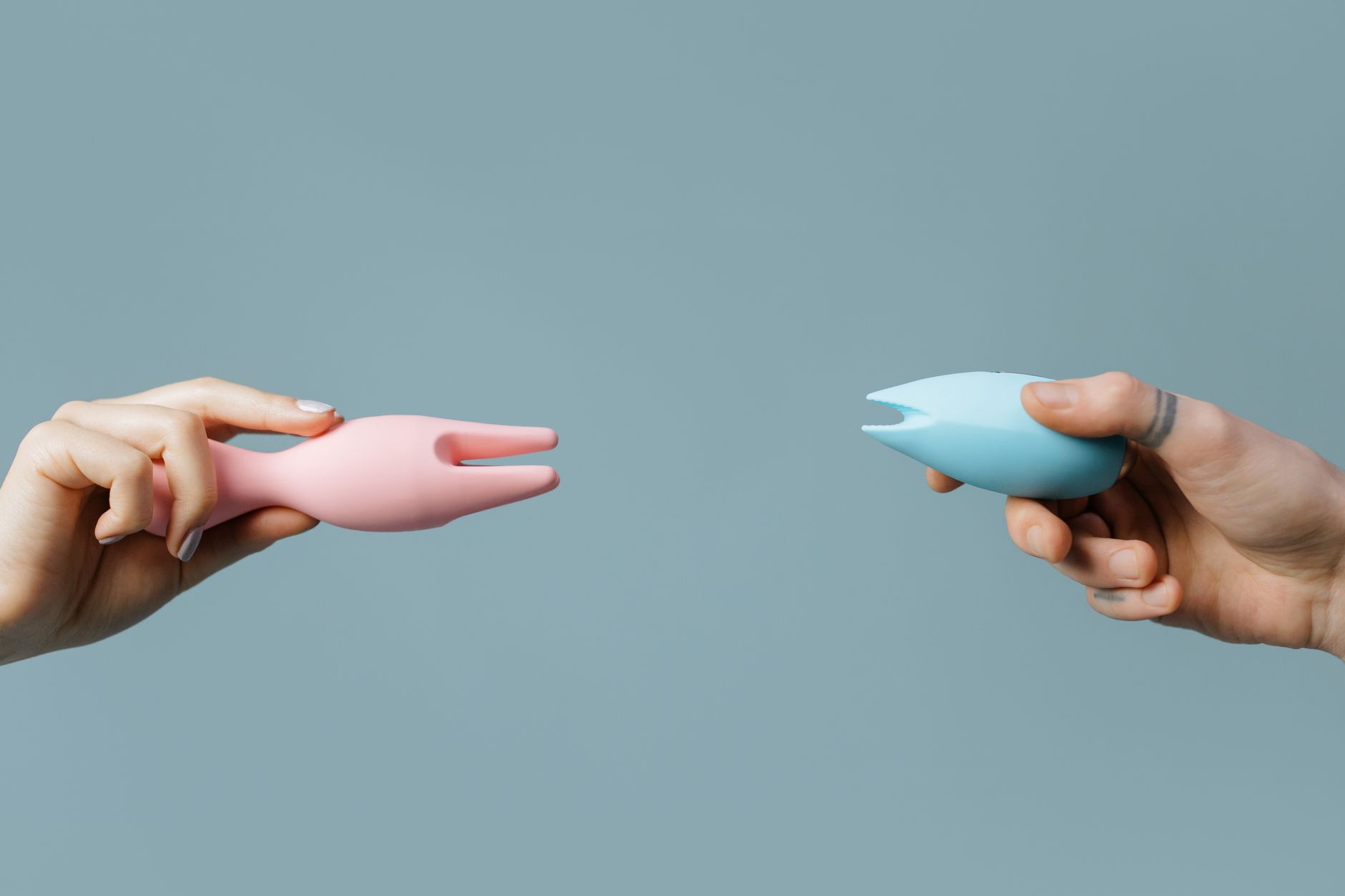
When you feel touch averse, direct hand contact feels invasive, overstimulating, or unpredictable. A lemon clitoral vibrator changes the equation because suction-based stimulation works differently than fingers or traditional vibration. It gives your nervous system permission to relax into something that feels more bounded, more controllable, and measurably less triggering.
Why touch aversion happens
Touch aversion typically comes from one of three sources:
Physical trauma or pain history. Injury, surgery, or chronic pain teaches your nervous system that touch equals threat. The body remembers.
Relational overwhelm. When a partner touches you before you're ready, or ignores your boundaries, touch becomes something that happens to you instead of something you choose. Over time, all touch starts to feel that way.
Sensory overload from burnout or depression. Your nervous system is already maxed out from work stress, parenting, or grief. Adding physical contact feels like too much input. The body says no because it genuinely can't process more right now.
All three are valid. All three respond well to graded exposure with tools like the Lemon vibrator, which let you control intensity, duration, and timing completely.
How suction feels different when you're touch averse
Direct touch requires trust in the person delivering it. Vibration can feel chaotic or overwhelming if your nervous system is already primed to react. Suction is different. It's sustained, rhythmic, and entirely in your control.
When you hold a lemon adult toy, you're the one deciding where it goes, how long it stays, what speed you use. There's no surprise. There's no waiting for someone else's rhythm. Your body registers that autonomy, and the nervous system relaxes slightly. That small shift is where healing starts.
Many clients tell me that using a lemon sucker alone, with no partner pressure, is the first time in months or years they've felt their own desire without fear attached to it. That's not coincidence. That's your nervous system finally getting what it needs: safety, control, and time.
Starting where you actually are
If touching yourself feels triggering even solo, don't start there. This is key.
Instead, begin with your lemon clitoral vibrator at patterns 1 or 2, held over clothing (underwear or pajamas). The fabric creates a buffer between your skin and the suction, which makes the sensation feel safer and less intense. Spend 5 to 10 minutes just getting used to the hum and the gentle pull through the fabric.
Your only job is noticing sensations without judgment. Does it feel calming? Mildly pleasant? Neutral? There's no right answer. You're teaching your nervous system that this tool isn't a threat.
After three to five sessions that feel okay, try it directly on skin for 30 seconds. Then stop. You don't need to build to orgasm. You need to build to tolerance.
This is not efficient pleasure. This is deliberate, slow rewiring. It takes weeks sometimes. That's not failure. That's respect for your own nervous system.
The temperature and texture layer
Here's something overlooked: temperature changes how your skin responds to touch. A cold lemon vibrator feels less intimate and more clinical, which can be grounding if you're feeling unsafe. Pop it in the fridge for 15 minutes before use. The coolness signals to your nervous system that this is a tool, not a person.
As you progress, room-temperature is fine. Some people eventually warm the toy slightly in their hands before use, which adds back an element of intention. Let your body decide the pace here. There's no universal right approach.
Texture matters too. The soft silicone of lemon sexual toys is easier on sensitive skin than harder plastics. It feels almost gentle, which contradicts the idea that a vibrator is aggressive. It's not. Especially not when you're choosing the pace.
How to use patterns strategically for overstimulation
If you find the vibration itself overwhelming, start with the lowest pattern and stay there for entire sessions. Don't upgrade the pattern until you've had at least three sessions where you didn't feel anxious or overstimulated.
When you do escalate, move up one pattern only. Spend a week with that new pattern before considering the next. This is not a race.
Many people with touch aversion never go above pattern 3 or 4, and that's completely fine. You're not missing anything by not reaching the highest intensity. Pleasure isn't a ladder you climb to the top of. It's a space you inhabit at whatever intensity feels right.
The partner conversation, if there is one
If you're in a relationship and your touch aversion affects intimacy, your partner needs to understand something: this isn't about them. It's about your nervous system's learned response. If they make it about their needs or try to rush your healing, the aversion gets worse.
The most helpful thing a partner can do is give you space to use a lemon vibrator solo and not ask for details. Let your pleasure be yours. Once you've rebuilt some safety and sensation on your own, partnered touch can come back gradually. But not before.
If your partner pressures you to move faster, or seems upset that you need solo time with a toy, you might want guidance on rebuilding intimacy after relationship conflict. That's a separate conversation worth having.
When numbness comes along with the aversion
Sometimes touch aversion pairs with emotional numbness or dissociation. You feel touch but it doesn't register as pleasure. It just feels like sensation happening to your body.
In that case, patience compounds the challenge. You're not just building safety. You're rewiring your ability to feel. This takes longer, sometimes months.
Use the lemon vibrator in short bursts. Five to 10 minutes. Then stop and notice what you feel in the next hour. Pleasure sometimes comes delayed, hours after you stop using the toy. Your nervous system is processing.
If numbness persists alongside depression, anxiety, or trauma symptoms, this is the moment to work with a therapist who specializes in somatic therapy alongside using toys. A professional can help your nervous system move out of freeze mode, which is often where touch aversion lives.
The role of breathing and grounding
Your nervous system responds to breath before it responds to touch. If you're holding tension while using a lemon clitoral vibrator, the toy can't do its job.
Before you start, spend two minutes on 4-6-4 breathing: inhale for four counts, hold for six, exhale for four. This signals safety to your vagus nerve, which is the main highway between your nervous system and your genitals.
During use, if you feel yourself tensing or anxious, stop the toy and go back to breathing. One minute of breath resets your system faster than any other intervention I know.
Some people find it helpful to name what they feel while using the toy. "Cool sensation." "Gentle pressure." "My choice." This keeps your prefrontal cortex online, which keeps you grounded and less likely to dissociate or freeze.
When to seek additional support
If after four weeks of gentle, solo use with your lemon vibrator you're still feeling intense anxiety, pain, or dissociation, reach out to a trauma-informed therapist or sex therapist. Touch aversion sometimes signals something deeper that needs professional help.
Likewise, if the aversion is recent and tied to a specific event, don't wait. Professional support now prevents it from calcifying into a longer-term pattern.
Your doctor should also know if touch aversion is new. Certain medications, hormonal changes, or underlying conditions can trigger it. Ruling those out first makes the emotional work clearer.
The timeline is yours
Reclaiming sensation after touch aversion is slow. It's not dramatic. You won't have an epiphany moment where suddenly everything feels amazing.
What happens instead is small shifts. One week you notice the warmth of the toy feels okay instead of invasive. Another week you manage 10 minutes instead of five. Months in, you realize a partner's hand on your shoulder doesn't spike panic.
Those small shifts are real progress. Your nervous system is learning that touch can be safe, that pleasure can be yours, and that you control the pace. A lemon vibrator is just the tool. You're doing the work.
Frequently asked questions
Can I use a lemon vibrator if touch feels completely intolerable right now?
Start with it over clothing only, or even just holding it near your body without contact. The goal isn't pleasure yet. It's familiarization. Many people find that non-contact proximity, repeated over weeks, makes actual contact feel safer when they're ready.
Does lemon suction help with touch aversion more than regular vibration?
For many people, yes. Suction feels less chaotic and more rhythmic. But some find traditional vibration works better. There's no universal answer. Try both if you can. Your nervous system will tell you what it prefers.
What if I feel triggered even during solo use with a toy?
Stop immediately. You're not failing. Your nervous system is telling you something still feels unsafe. Slow down further. More time over clothing. More breathing before you start. Or pause entirely and work with a therapist on grounding first. There's no badge of honor for pushing through triggers.
How long until touch aversion goes away completely?
It depends on the root cause and your nervous system's starting point. Some people heal in three to four months. Others need six to twelve. The goal isn't a specific timeline. It's noticing improvement week by week.
Can I use a lemon adult toy with a partner present if touch aversion makes partnered sex impossible right now?
Sometimes yes. Some couples find that solo use while a partner is present (but not touching) helps bridge the gap. But boundaries matter hugely here. Only do this if you truly want to, not because you feel obligated. Communication about mismatched timelines should come first.
What if the aversion is tied to a specific person or relationship dynamic?
That's crucial information. Touch aversion in one relationship might completely disappear in another because it's not about touch per se. It's about safety with that specific person. Repairing that often requires relationship work alongside solo pleasure work. A therapist can help untangle which is which.
Your pleasure is worth the patience
Reclaiming sensation when your nervous system has learned to fear touch is genuinely hard. It requires you to move slowly, trust yourself, and resist the cultural message that pleasure should be fast and automatic.
It's not. Especially not when healing is involved. But it's absolutely possible. Thousands of people have used tools like the Lemon vibrator to rebuild a relationship with their own body after touch aversion, and so can you.
Start small. Stay patient. Let your nervous system set the pace. That's not compromise. That's respect for the very real work you're doing.