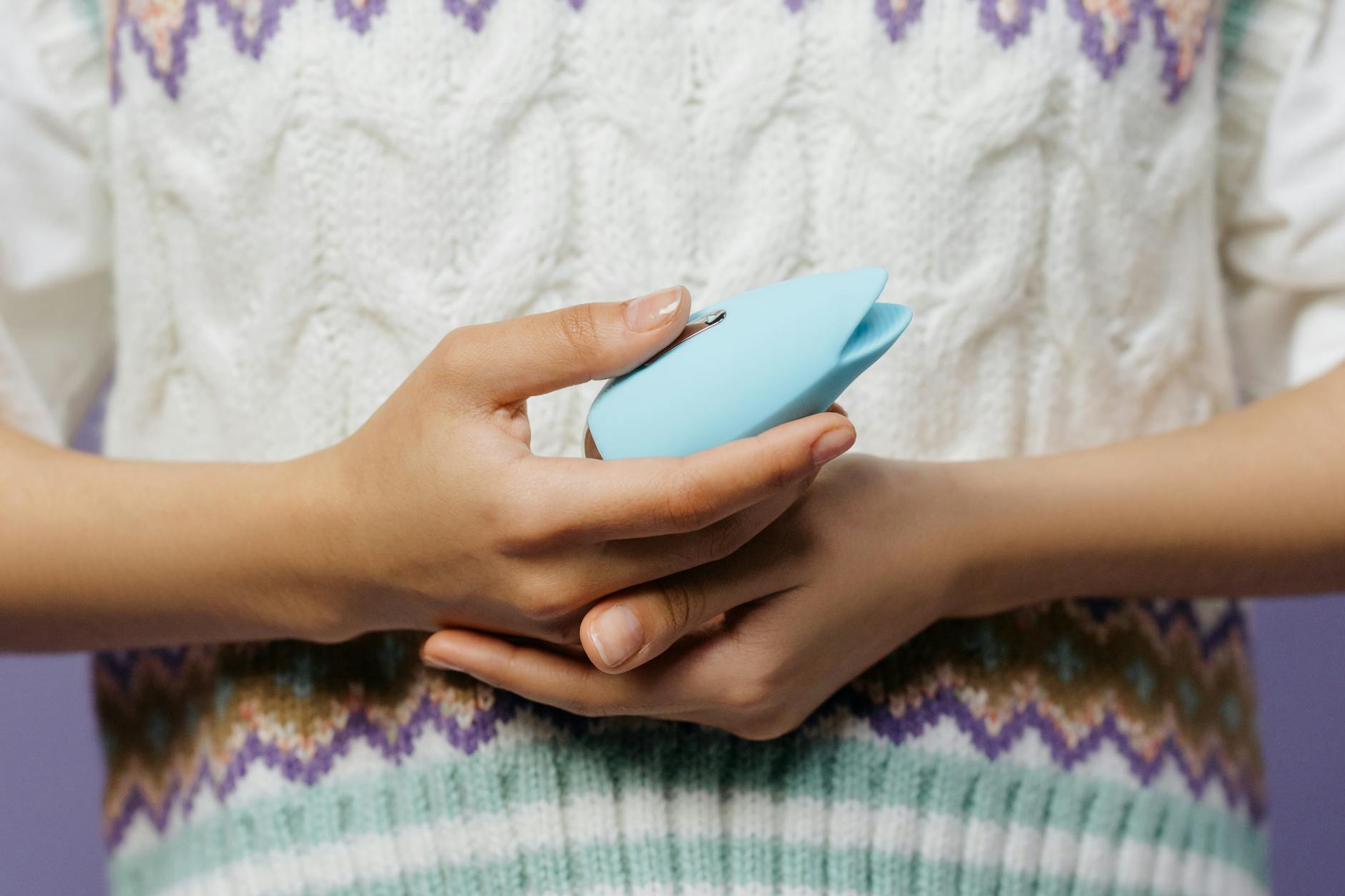
Let's be real about post-surgery pleasure
Physical recovery doesn't happen on a deadline, and neither does sexual recovery. After surgery, injury, or any trauma to the pelvis or genitals, your body needs time. Your mind needs permission. And honestly, most people get stuck in the guilt phase instead of the healing phase.
Here's what I see in my practice: people return to sex too fast (because their doctor cleared them physically), find it uncomfortable (because healing isn't linear), then blame themselves for "not being ready." The problem isn't you. It's that nobody explains the difference between medical clearance and actual readiness.
A lemon vibrator, used thoughtfully, can be the bridge between those two states.
Why clitoral vibrators matter in recovery
After surgery or injury, external clitoral stimulation is gentler than penetration because you control the exact pressure, duration, and rhythm. You're not managing anyone else's needs. There's no friction on healing tissue. The sensation is concentrated in an area with extraordinary nerve density, which means you need less direct contact to feel something.
That last point is crucial. After procedures like C-section, hysterectomy, episiotomy repair, or trauma recovery, sensation can feel muted. A lemon vibrator wakes up those nerve pathways without demanding that tissue do more than it's ready for.
The suction design of clitoral vibrators like the Lem also changes the game. Instead of vibration alone, suction creates a gentle rhythmic pulse that many find easier to tolerate during early recovery than traditional vibration patterns.
The timeline that actually makes sense
Medical clearance usually comes at 6 weeks post-surgery. That doesn't mean you're ready for penetration or partnered sex. Here's a more honest timeline.
Weeks 6-8 (early exploration). Your doctor said yes to sex. That doesn't mean full sex. This is the window to start noticing sensation again in isolation. A lemon vibrator on the lowest setting, used solo for 10-15 minutes, helps you gather data: Does this feel good? Does this feel nothing? Does this create any sharp pain (stop immediately if it does).
Weeks 8-12 (building confidence). You know what settings don't hurt. You're starting to feel arousal again. This is where most people stumble because arousal should feel familiar but it doesn't yet. Your body is healing faster than your nervous system is catching up. Longer sessions (20-30 minutes), gradual intensity increases, and patience with yourself become the practice.
Weeks 12-16 (reintegration). If you have a partner, this is when you might introduce them back in. Not as a performer, but as a presence. You using the lemon vibrator while they hold you, kiss you, or just be present. This rewires the association between pleasure and partnership without the pressure of penetration.
Months 4+ (whatever comes next). You know your body again. You know what feels good. Now you decide what pleasure looks like.
Practical setup for safe pleasure
Three things prevent most post-recovery discomfort: lubrication, positioning, and stopping early.
Lubrication is non-negotiable. After surgery, tissue can feel drier than usual even if you're aroused. Use a water-based lubricant generously on the vibrator and externally. This isn't because something is wrong. It's because healing tissue benefits from glide.
Positioning matters. Lying on your back is safest initially because you control pressure and can stop instantly if anything hurts. Sitting upright comes later. Avoid positions that create tension in your incision site or scar tissue.
Start with the lemon vibrator on pattern 1 or 2. Not because you're broken, but because your nervous system needs gentle reintroduction. You can always increase intensity. You can't un-feel pain that just triggered a trauma response.
Managing the emotional part
I've worked with clients through C-sections, pelvic floor surgery, fibroids, cancer treatment, and relationship ruptures tied to injury. The physical part heals faster than the psychological part almost every time.
You may feel shame about needing extra time. You might worry your partner has lost interest. You could be experiencing some genuine trauma from the medical event itself, separate from the physical healing. None of that is your fault, and none of that makes you broken.
When you use a lemon vibrator during recovery, you're not just building sensation back. You're practicing agency. You're proving to yourself that pleasure is possible again. That matters as much as the physical recovery.
If you have a partner, tell them what's happening. "I'm learning my body again and it takes time" is a complete sentence. You don't owe them access to your body before you have access to it yourself.
When to pause and seek help
Sharp pain that doesn't ease with slower settings or lower intensity is a sign to stop and check with your doctor. Burning, tearing sensations, or emotional shutdown around touch also warrant professional input.
Some people benefit from working with a pelvic floor physical therapist during this recovery phase. They can identify where tension or scar tissue is limiting sensation and help you release it. Combining that work with a lemon vibrator often accelerates the healing timeline significantly.
If anxiety is running high around sex and sensation, a therapist who specializes in sexual recovery can help you untangle what's medical and what's psychological. Both are real. Both need care.
Rebuilding with a partner
If you're in a relationship, post-recovery is actually a chance to reset. Most couples fall into patterns that stop working long before surgery ever happens. This is the moment to build something new.
Your partner might use the lemon vibrator on you. They might be present while you use it solo. They might just sit with you. The point isn't the vibrator. The point is reconnecting in a way that centers your healing, not just your function.
If your partner is uncomfortable with toys, start the conversation early. How to use a lemon vibrator with a partner who isn't comfortable with toys can help you find language that works for both of you.
The long game
Post-injury or post-surgery pleasure isn't about rushing back to where you were. It's about discovering what feels good now, in your healed body, at your pace. Many people find that pleasure is actually richer after recovery because it's been intentional, slow, and rooted in what they genuinely want instead of what they think they should want.
A lemon vibrator is just a tool. But it's a tool that lets you be in control. That matters more than the vibration itself.
People also ask
How long after surgery can you use a lemon vibrator?
Medical clearance is usually 6 weeks, but that's for any sexual activity. Start with exploration on a low setting around week 6-8, and listen to your body. Sharp pain means stop. Mild discomfort that eases means you're learning what your healing body feels like. Every surgery is different, so if you're unsure, ask your surgeon specifically about external clitoral stimulation.
Can using a lemon vibrator slow down my healing?
No, assuming you're using it gently and you're medically cleared. In fact, increased blood flow and gentle nerve stimulation can support healing. The key is avoiding pressure on incision sites and stopping immediately if you feel sharp pain. Mild sensation and some mild ache is normal during recovery.
What if I feel emotionally triggered when I try to use a vibrator after trauma?
That's common and real. Your nervous system learned that something hurt during the medical event. Touch, even gentle touch, can reactivate that. Work with a trauma-informed therapist if the reaction is strong. You might also try starting with your partner present (not touching, just there) or using the vibrator while listening to something grounding like music or a podcast. There's no timeline for emotional recovery.
Should I tell my partner I'm using a vibrator during recovery?
If you're in a committed relationship, yes. This isn't about secrecy. It's about him or her understanding that you're rebuilding sensation and pleasure in a way that's safe for your body right now. Framing it as "I'm doing physical recovery" rather than "I'm exploring on my own" can help. Many partners actually want to support this process.
Can I use a lemon vibrator if I had pelvic floor surgery?
Yes, but very gently and only after medical clearance. Pelvic floor surgery means that area is extra sensitive initially. Start on the lowest setting, use plenty of lube, and work with your pelvic floor therapist to understand where tension still lives in your tissue. They can guide your use of the vibrator to actually help release that tension instead of aggravating it.
What if sensation feels completely numb after surgery?
Numbness often improves over months as nerve healing continues. You're not broken. Nerve regeneration takes time. In the meantime, a lemon vibrator can help wake up sensation more gently than other stimulation because the suction design activates multiple nerve pathways at once. Be patient. Most people regain sensation, though it may feel different than before.
References
Brotto, L. A., & Sasson, S. (2015). A prospective study of the impact of grief on sexual function in widowed older adults. Archives of Sexual Behavior, 44(4), 1149-1159.
Briggs, C. A., Chiarelli, P. E., & Coad, R. A. (2003). Abdominal muscle training as a treatment for incontinence. Neurourology and Urodynamics, 22(2), 112-118.
Szychowski, J. M., et al. (2019). Pelvic floor physical therapy to manage adverse effects of cancer treatment. Supportive Care in Cancer, 27(8), 3103-3111.
Lavielle, M., Roncin, G., & Renault, A. (2016). Sexual function recovery after gynecological surgery: A longitudinal study. Journal of Sexual Medicine, 13(2), 234-244.