Does a Lemon Vibrator Work Better With Lubricant?
Let's be direct: most people feel a noticeable difference when they use a lemon clitoral vibrator with lubricant. Not everyone needs it. But almost everyone benefits from it.
The question isn't really whether lube helps. It does. The real questions are why, which type to use, and whether it's worth the extra step when you're tired or in a hurry. Let's dig into the actual mechanics.
How lubrication changes what you feel
Here's what happens physically when you add lube to the mix.
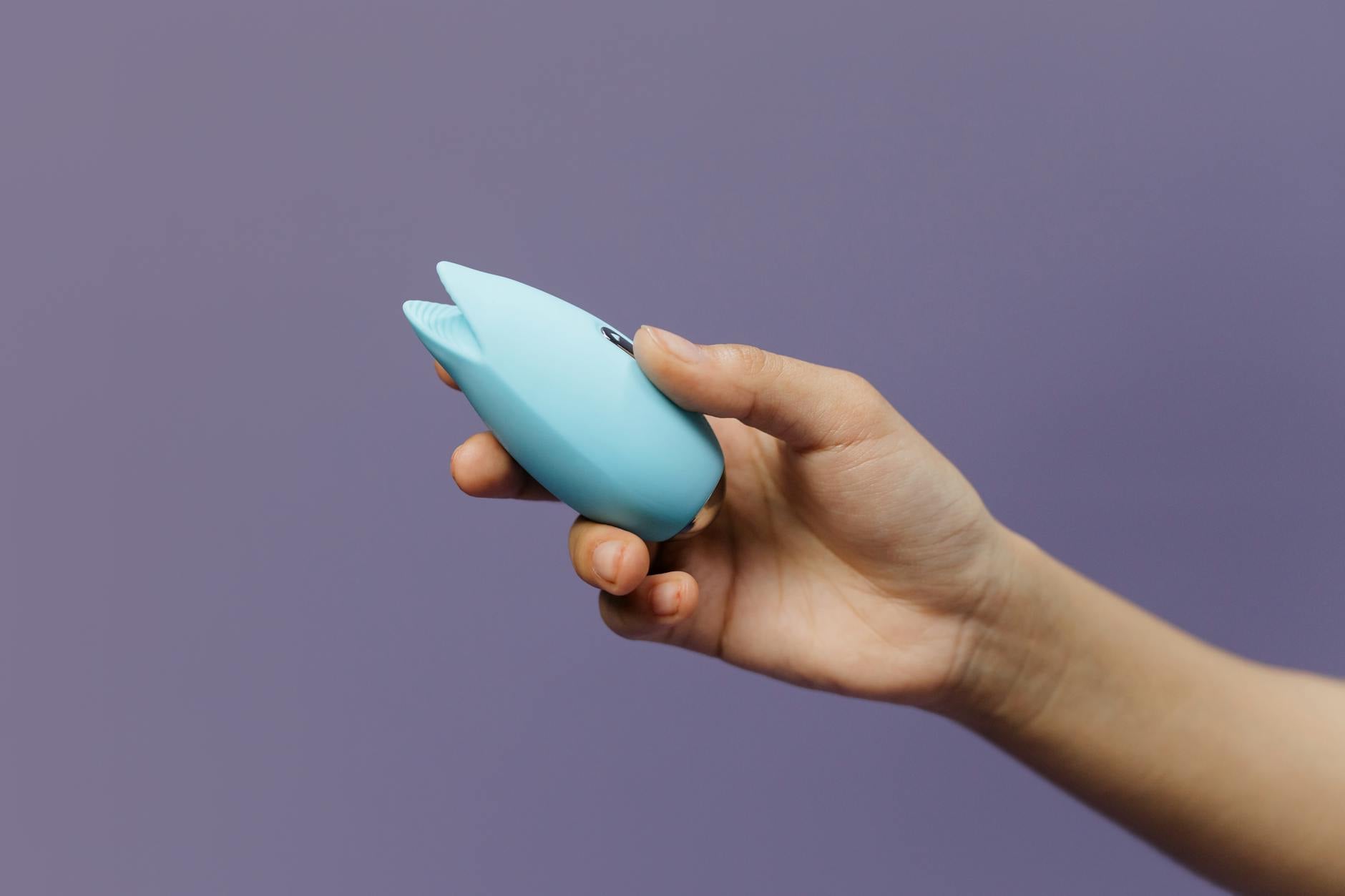
A lemon vibrator, like the Lem, creates stimulation through a combination of suction and vibration. The seal between the toy and your body is crucial to how that suction feels. Without lubrication, there's direct friction between the silicone cup and your skin. With lubricant, there's a buffer.
That buffer changes three things:
First, it reduces friction intensity. If you've ever used a clitoral vibrator and felt like the sensation was almost too much or slightly irritating after sustained use, friction is often the culprit. Lube doesn't make the vibration weaker. It makes it glide instead of grip.
Second, it improves the seal. A thin layer of water-based lubricant actually helps the suction feel more consistent and connected. This sounds counterintuitive, but it's because the lube fills microscopic gaps in your skin and the silicone, making the contact more uniform.
Third, it extends comfort. Even if you naturally produce plenty of lubrication, adding more means you can use your toy longer without that slight drying sensation some people experience after 15 or 20 minutes of continuous use.
Who needs lube and who doesn't
Honestly? Most people benefit from it, but the group who absolutely need it is clear.
If you have sensitive tissue, thinner vulval skin, or you're dealing with hormonal shifts that affect natural lubrication (post-menopause, certain medications, breastfeeding), lube moves from "nice to have" to essential. Not because your body is wrong, but because the silicone-to-skin contact works better with a moisture barrier.
If you naturally produce a lot of lubrication and you like intense sensations without any buffer, you might skip it. Plenty of people do. But even in that camp, most discover that adding a small amount actually gives them more control over intensity rather than less.
Younger people, people with thicker vulval tissue, and those using a lemon vibrator for the first time often don't think they need lube. Then they try it and wonder why they waited.
Water-based versus silicone-based lubricants
For a lemon clitoral vibrator or any silicone toy, this choice matters more than most people realize.
Water-based lubricants are your standard choice here. They're compatible with silicone, they're easy to clean up, and they won't degrade your toy. Brands like Sliquid, Yes, and Uberlube (water-based version) are solid. They feel natural and they dry down gradually, which is fine for shorter sessions. If you're going longer than 20 minutes, you'll need to reapply once or twice.
Silicone-based lubricants feel richer and last longer, which sounds perfect until you remember: silicone toys plus silicone lube can cause silicone to degrade over time. It's not a catastrophic breakdown, but it's real. Avoid it.
Oil-based lubes (coconut oil, almond oil) feel amazing but they're porous and they harbor bacteria. They're also harder to wash out. Skip them for toys.
Hybrid lubes exist, and they're water-based with silicone conditioning agents that work fine on silicone toys because the silicone is just an additive, not the base. Read the label, but hybrids are generally safe.
How much to use
This is where people get it wrong. You don't need much.
A dime-sized amount on the tip of your finger, applied to the inner cup of the lemon vibrator, is usually enough. You can also apply it directly to your clitoris. Either way works. Some people prefer a small amount on both.
The instinct is to go heavier because you're thinking of traditional penetrative toys, which need more lube for comfort. A lemon clitoral vibrator doesn't require that much volume because you're not inserting anything. You're creating a seal and stimulating external tissue.
If you apply too much, the suction weakens because the lube becomes too slippery. You lose some of the sensation. So less is actually more here.
If you're doing a longer session and the lube starts to dry down, add another small amount. It takes five seconds.
The comfort angle
One thing people don't talk about enough: using a lemon vibrator with lube is often more comfortable long-term.
Without lube, some people report slight soreness or sensitivity after 20-30 minutes of continuous stimulation. It's not pain. It's the feeling you get from any repeated friction. Adding lube eliminates that almost entirely. You can use your vibrator as long as you want without that fatigue feeling.
This matters for pleasure in a real way. If you know you'll feel slightly sore tomorrow, you moderate how long you use your toy today. With lube, that barrier vanishes. You get to use your body the way you want without a penalty.
Common mistakes to avoid
Don't use numbing lubes. They're marketed as "delay" or "prolonging" products, but on clitoral toys, they just dull sensation. That's the opposite of what you want.
Don't mix lube types. If you start with water-based, stick with water-based throughout. Switching mid-session can feel weird and defeats the purpose.
Don't assume you need prescription-strength lubes unless you actually have medical tissue changes. Standard water-based lube works for almost everyone, including people with sensitive vulvas. If standard lube causes irritation, that's worth discussing with a doctor because it might indicate an allergy or a separate condition.
Don't use saliva as a substitute. It dries quickly, it can introduce bacteria, and it's not designed for sustained use. Actual lubricant is worth the $8.
The practical setup
Here's what I recommend to clients: keep your lube where your toys are stored.
If your lemon vibrator lives in a drawer, put the lube right next to it. If you travel with toys, carry travel-size lube. The friction point in most people's lives isn't "Do I want lube?" It's "Where is the lube?" Removing that friction (pun intended) means you'll actually use it.
Store water-based lube at room temperature. Most brands are fine in warm rooms, but avoid direct heat or freezing. A standard bedroom drawer is perfect.
Clean your toy before applying new lube. You don't need soap every time, but a quick rinse with warm water is smart. This keeps old lubricant from mixing with new.
When to skip it
If you're in a rush or it's a quickie situation, you might skip lube entirely. That's fine. A lemon clitoral vibrator works without it. Some people prefer the more intense sensation without it. Some people's bodies naturally produce enough that adding more feels unnecessary.
The research here is simple: more people discover they like lube than people who prefer going without it. But you get to decide. If you want tips on using a lemon vibrator for the first time, that guide covers lube choice in more depth too.
The bottom line
Lubricant transforms how a lemon clitoral vibrator feels for most people. It reduces friction, improves the seal, and extends how long you can comfortably use the toy. Water-based lube is the right choice. You don't need much. And yes, it's worth the extra step.
Your pleasure deserves the small optimization. That's not overthinking it. That's paying attention.
Questions people ask
Can I use saliva with a lemon vibrator?
Technically yes, but it's not ideal. Saliva dries quickly, so you'd need to reapply constantly. It can introduce bacteria if you're sharing the toy or if your mouth has any small cuts. Actual lubricant stays wet longer, it's formulated to be body-safe, and it costs less than the inconvenience of reapplying saliva every few minutes.
Does lube make the lemon vibrator less effective?
No. Lube actually makes the seal better and the sensation more consistent. If anything, why lemon vibrators work better for sensitive tissue becomes clearer once you understand how lube improves contact. The vibration doesn't weaken. The experience just feels better.
What's the best lubricant brand for clitoral vibrators?
Water-based brands like Sliquid, Yes, Uberlube (water-based version), and Ky Jelly Naturalfeel all work well. Your best bet is to pick one that feels right to you and stick with it. Most water-based lubes feel similar, so this is less about finding a magic brand and more about finding what feels natural to your body. If one causes irritation, switch. If it feels good, you're done shopping.
Should I use more lube for longer sessions?
Not necessarily more at the start, but you'll want to reapply. A dime-sized amount to begin, and then another small amount after 15-20 minutes if you're still going. Water-based lubes do dry down gradually, so this is normal. It's not a sign you're doing something wrong. It just means your toy needs a little refresh mid-session.
Can I use lube with a lemon vibrator if I have latex allergies?
Yes, absolutely. Lube has nothing to do with latex. You're safe as long as your lube is water-based. Confirm the lube itself doesn't contain latex (most don't), and you're good. If you're unsure, most brands list latex-free clearly on the label.
How do I clean my lemon vibrator after using lube?
Warm water and gentle soap work fine. Water-based lube washes off easily. Use your fingers and warm water to clean the inside cup and the outside surface. Dry completely before storing. That's it. No special process needed.
Your pleasure is worth the small effort of finding what works for your body. Start with water-based lube, use a small amount, and adjust from there. Most people discover they prefer their lemon vibrator with lube once they try it. Give it a shot and see what changes for you.
If you want to explore more about how clitoral vibrators feel on different bodies, why lemon vibrators deliver different orgasm intensity after 40 covers that terrain. Everyone's experience is different. Yours matters.