Why Lemon Vibrators Deliver Different Orgasm Intensity After 40
Let's be real. Orgasms after 40 feel different. Not worse. Not less. Just fundamentally different in ways nobody actually talks about.
I work with people navigating this shift all the time, and the pattern is consistent. Women in their 40s and beyond report that standard vibrators suddenly feel too intense, too scattered, or oddly numb. Then they try a lemon vibrator. And something clicks. The suction-based design of the Lem hits differently because your body literally is different. The good news? You're not broken. Your body is just asking for a better match.
Here's what's happening under the surface, and why lemon clitoral vibrators are changing the game for bodies in this stage of life.
How tissue sensitivity shifts after 40
Collagen production slows. Your skin gets thinner everywhere, including where it matters most for pleasure. The vulva and clitoris experience reduced blood flow and tissue elasticity. This isn't menopause (though it accelerates there). This is just what happens to skin over time.
Where this matters: traditional vibrators rely on direct oscillation. They're literally vibrating against your tissue. After 40, that can feel like someone tapping on a nerve ending. It works, but it's harsh. It demands more pressure to feel good, which paradoxically makes it harder to climax because your nervous system is defending, not opening.
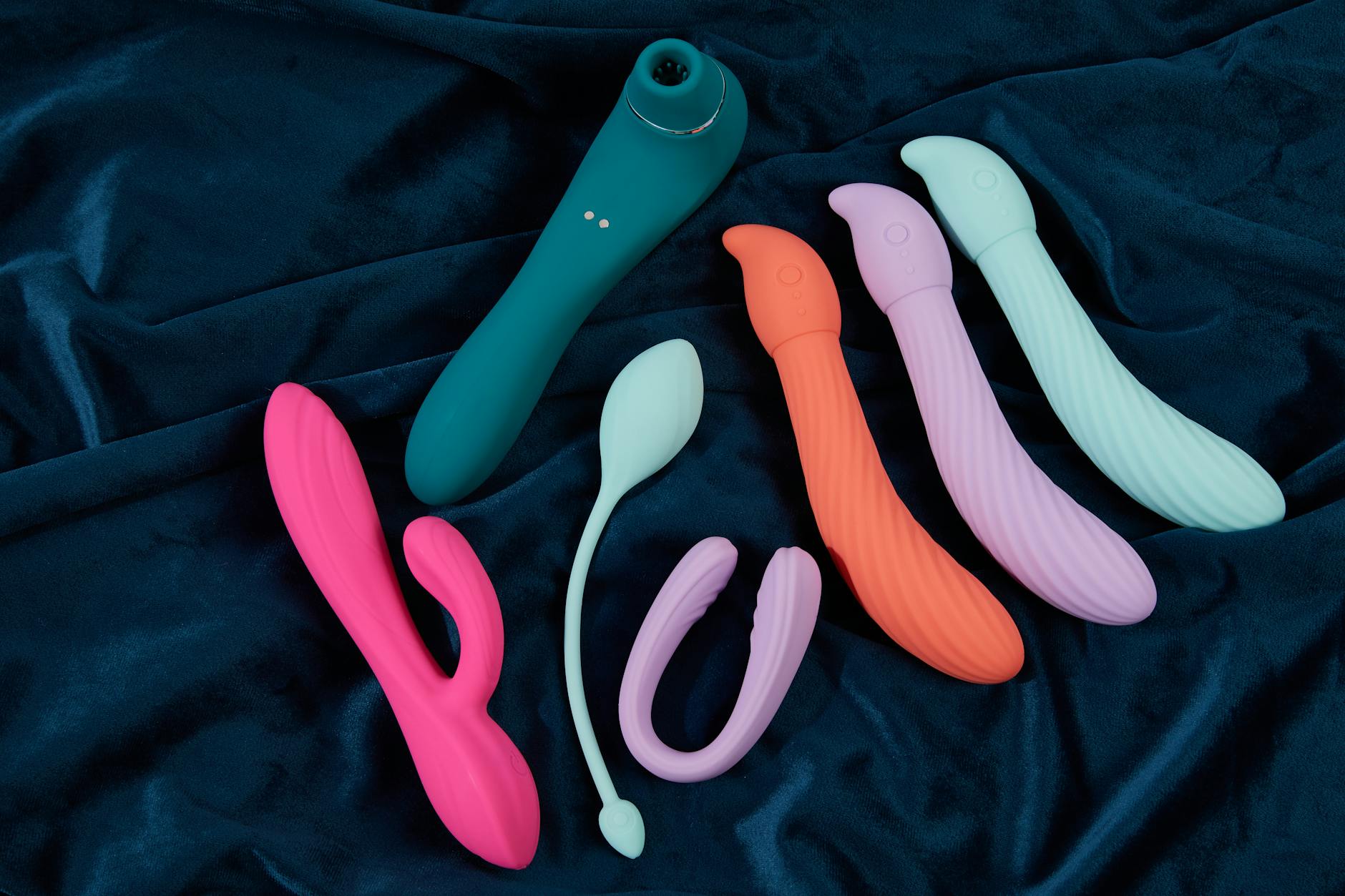
Lemon vibrators use air-suction technology. Instead of vibrating against your skin, they create gentle pressure changes that stimulate the thousands of nerve endings in your clitoris without the mechanical friction. It's the difference between someone tapping your shoulder and someone pulling you into a hug.
Why suction feels better on sensitive tissue
The clitoris has roughly 8,000 nerve endings concentrated in a space smaller than a pea. In your 20s, that density is insulated by plump, well-hydrated tissue. By 40, that tissue is thinner and more reactive.
Suction-based toys like the lemon vibrator distribute stimulation across a wider surface area without concentrating force on a single point. The sensation is more diffuse, more enveloping. For people with sensitive tissue, this is the difference between pleasure and discomfort.
Here's something most people don't know: arousal itself changes how sensitive you are. As you get older, arousal takes longer to build but becomes more stable once it's there. Your nervous system needs a wider window of warm-up. Lemon clitoral vibrators excel in this phase because they can work at lower intensity for longer without fatigue.
Orgasm response after 40 is slower and deeper
The arch of orgasm changes. In younger years, orgasms tend to be sharp, quick, sometimes multiple. After 40, they get slower to arrive and often longer when they do. This isn't a decline. It's a shift in neurology.
When you were younger, your clitoris might have responded to quick, high-frequency buzzing. Your nervous system was wired for rapid escalation. After 40, your nervous system actually needs sustained, moderate stimulation to fully fire. The rise is slower. The plateau is longer. And then the release is often more intense.
Lemon vibrators are designed for this pattern. The suction pulses work in a range of 40 to 80 Hz depending on the mode. That's slower than most traditional vibrators (which often buzz at 100+ Hz). Slower isn't worse. It's just better matched to how your body actually works now.
Lubrication and arousal take longer (and that's not a problem)
Estrogen affects lubrication. But even if hormone levels stay stable, blood flow to genital tissue decreases with age across everyone, regardless of sex hormones. This means natural lubrication takes longer to produce.
Most people interpret this as a sign something's wrong. It's not. Your body is just asking for more warm-up time. Where traditional vibrators can feel irritating on drier tissue, lemon vibrators feel comfortable earlier in arousal because the suction creates its own pressure sensation. You don't need the tissue to be fully lubricated to feel good. The sensation is different enough that many people find they get wet faster once they're already aroused.
Use lube anyway. Always. But understand that the longer arousal ramp isn't a malfunction. It's a neurological shift that actually can lead to more sustained, deeper pleasure once you stop fighting it.
The mental load changes too, and lemon vibrators benefit from that
This is the part that matters more than the tissue shifts. After 40, a lot of people stop performing their pleasure for an invisible audience. You're less likely to be managing a partner's ego, or wondering if you're taking too long, or pretending to come because the script says you should.
This mental shift makes you more sensitive to the actual sensations your body is experiencing. A toy that feels generic or harsh becomes obviously wrong. A toy that feels thoughtfully designed, that respects the pace your nervous system actually needs, becomes magnified.
Lemon vibrators are quiet, discreet, and elegantly designed. Those aren't accidents. They're built for people who take their pleasure seriously, who aren't in a rush, and who want something that feels good in their hand and on their body.
Comparing lemon vibrators to traditional toys after 40
Traditional vibrators work via oscillation. They're excellent for younger bodies or for people who like intense, focused sensation. But they have a ceiling effect. If you increase the intensity further, you hit numbness instead of pleasure.
Lemon vibrators use pulse technology. The sensation doesn't intensify linearly. Instead, it evolves. Different modes feel different, not just stronger. This is crucial after 40 because it means you have real variation to work with. Exploration stays possible.
The other difference: recovery time. High-frequency vibrators can leave tissue feeling raw, especially if you masturbate more than once in a day. Lemon vibrators distribute stimulation more gently, so back-to-back sessions feel fine.
Building your pleasure routine with suction toys
If you're new to suction-based lemon clitoral vibrators, start with the lowest setting. This isn't because you're fragile. It's because the sensation is different enough that your body needs to recognize it as pleasure rather than something strange.
Warm up longer than you think you need to. Fifteen to twenty minutes is normal. Your nervous system isn't being slow. It's being thoughtful.
Experiment with how you position the toy. Unlike traditional vibrators where the angle matters less, suction toys are sensitive to seal and contact. You're looking for the spot where the sensation shifts from okay to actually electric.
Use water-based lube. It keeps your skin comfortable and helps the toy maintain a proper seal.
When sensitivity becomes pain, and what to do
Sometimes after 40, what feels like dryness or numbness is actually the early sign of genitourinary syndrome (GSM). This is real, common, and completely treatable. If you experience pain, burning, or sharp sensations during arousal, see a gynecologist familiar with midlife bodies.
Topical estrogen therapy, systemic hormone therapy, or other treatments can help. Once you address the underlying tissue health, pleasure tools like lemon vibrators become comfortable again.
Don't wait this out. Pleasure matters. Your body deserves support.
FAQ: What people actually ask about lemon vibrators after 40
Will a lemon vibrator feel too intense on sensitive tissue?
Unlike high-frequency vibrators, lemon clitoral vibrators distribute stimulation across a wider area through suction rather than direct oscillation. Most people with sensitive tissue find them gentler and more comfortable than traditional vibrators. Start on the lowest setting and work your way up. Intensity is adjustable, and you control the pace entirely.
How is a lemon vibrator different from a traditional clitoral vibrator?
Traditional vibrators use rapid oscillation (typically 100+ Hz). Lemon vibrators use air-pulse technology that creates gentle suction and release cycles (typically 40-80 Hz). The sensation is broader, less concentrated, and better suited to tissue that's thinner or more sensitive. Think of it as the difference between tapping and gently pulling.
Can I use a lemon vibrator if I'm on hormone therapy?
Absolutely. Hormone therapy improves tissue health, which makes most pleasure tools feel better. If you're adjusting to HRT, you might find you're more sensitive initially. Use your lemon vibrator at lower settings during the adjustment period, then explore higher modes as your body settles. You might also find that your preferred intensity changes over time, and that's completely normal.
How do lemon suction vibrators compare to my old vibrator after 40?
Your old vibrator probably still works. But your body has changed. Tissues are thinner. Arousal takes longer. Nerve sensitivity is different. Many people find that traditional vibrators feel harsh or numbing in midlife, while lemon vibrators feel custom-built for this stage. You're not broken. You just need a better match.
Will I lose sensitivity if I use a lemon vibrator regularly?
No. The myth that vibrators cause numbness comes from using toys that are too intense for your tissue. Lemon vibrators actually support long-term sensitivity because they work with your nervous system instead of against it. Gentle, appropriate stimulation maintains tissue health.
What if a lemon vibrator still feels uncomfortable?
Try more lube, longer warm-up, and the lowest setting. If comfort doesn't improve, you might be experiencing GSM or another tissue-related issue that deserves professional attention. See your doctor. Once your tissue health is supported, pleasure tools become comfortable again.
What changes after 40, and what actually stays the same
Your capacity for pleasure doesn't diminish. Your interest in pleasure doesn't vanish. Your ability to orgasm stays intact.
What changes is the delivery method. Your body needs something thoughtfully designed for how you actually are now, not how you were at 25. Lemon vibrators get this. They're engineered for sensitive tissue, for longer arousal, for the kind of pleasure that builds slowly and lands deep.
The best part? Many people report that their most satisfying orgasms arrive in their 40s and beyond. This isn't romantic fiction. It's neurology. Once you stop performing pleasure and start actually experiencing it, and once you have tools that work with your body instead of against it, pleasure deepens.
You're not entering a new phase where pleasure fades. You're entering the phase where it finally gets real.
If you're curious about whether a lemon vibrator could work for you, <a href="/blog/why-lemon-vibrators-work-better-for-sensitive-tissue">learn more about how lemon vibrators are designed for sensitive tissue</a>. Or if you're exploring with a partner, our guide on <a href="/blog/why-lemon-vibrators-feel-different-for-partners-exploring-together">why lemon vibrators feel different for couples</a> covers the conversation and comfort side of things.
Your pleasure matters. After 40, it deserves a tool built for you.