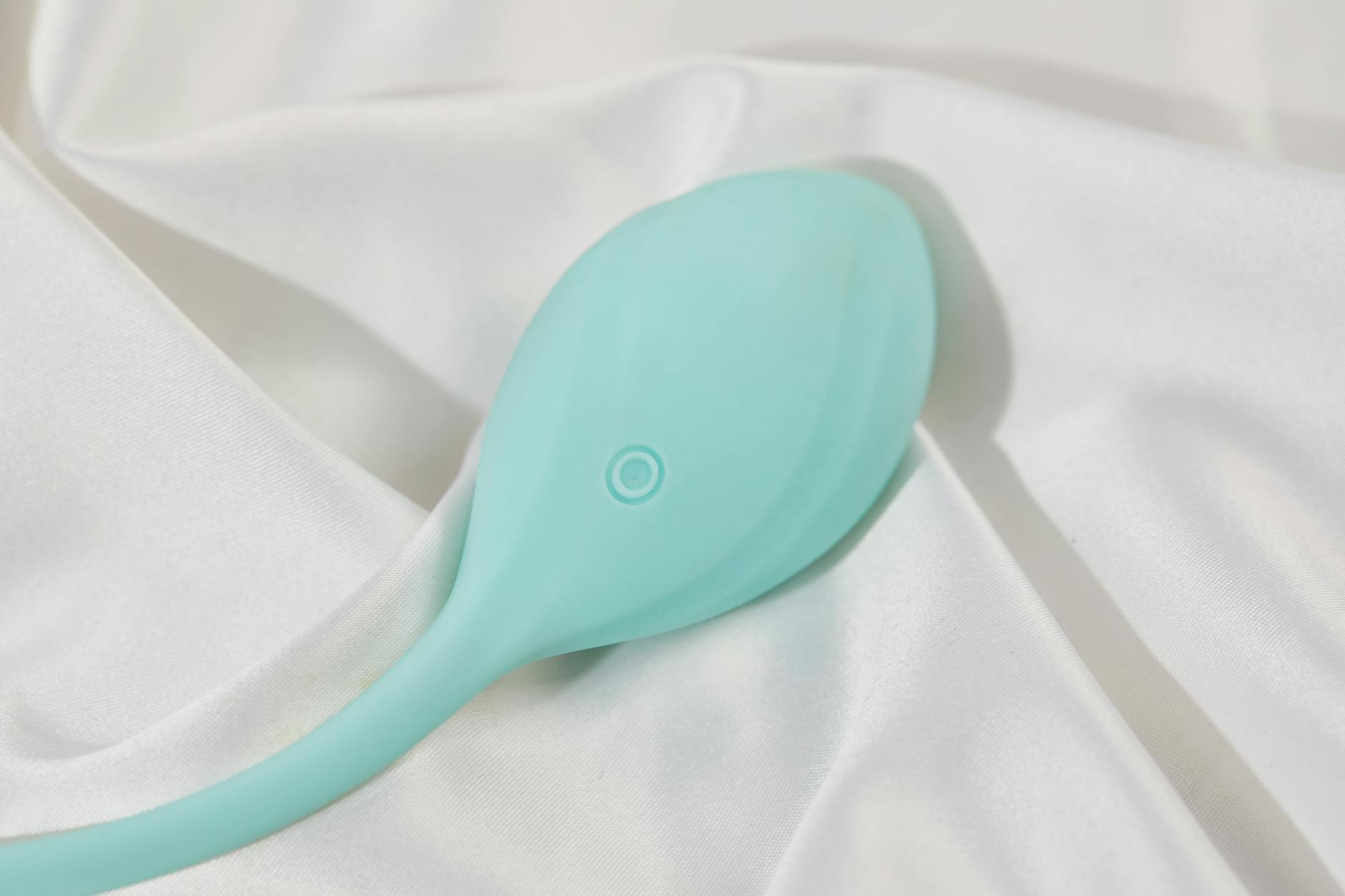
Why lemon vibrators feel completely different after menopause
Let's be real: menopause changes how lemon vibrators, lemon clitoral vibrators, and other adult toys feel against your body. It does not end pleasure with them. That distinction matters because most conversations about menopause and sexual devices fall into one of two useless camps. "Everything stops working" or "nothing really changes, you're fine." Both are wrong. Both leave you confused.
Here's what actually happens physiologically when you use a lemon vibrator or any clitoral vibrator after menopause, and why the experience shifts.
What drops during menopause (and how it affects sensation)
Estrogen declines sharply. This changes tissue thickness around the vulva and inside the vagina. Your skin gets thinner. Lubrication takes longer to arrive and may feel less abundant. Blood flow to the clitoris slows slightly, which means arousal builds more gradually.
Testosterone also drops. Yes, people with ovaries produce testosterone. It's a major driver of desire and sensation intensity in everyone. Lower testosterone means the electrical charge you felt during a lemon sexual toy session might feel more subtle at first.
The pelvic floor loses some of its estrogen-dependent elasticity. This can change how orgasms arrive. Sometimes they feel more diffuse. Sometimes they feel sharper and more localized. Often, clients report they're actually more intense because the sensation gets concentrated.
Here's what categorically does not change:
The clitoris has around 8,000 nerve endings. Those don't vanish. The neural pathways for arousal stay intact. Your brain's capacity for pleasure doesn't fade. The ability to reach powerful orgasms with a lemon vibrator or clitoral vibrator is absolutely still there.
Why sensation with lemon vibrators often feels better after menopause
I've worked with dozens of clients who report that their most satisfying sessions with lemon clitoral vibrators happened after menopause. This isn't polite fiction. It's a consistent clinical pattern.
Three factors explain why:
Mental load lifts. For forty-plus years, your brain was managing hormonal cycles, fertility windows, and the social pressure to perform sex a certain way. That cognitive noise is loud. When it quiets, mental clarity transforms everything. You can actually focus on sensation instead of managing a dozen other things.
Permission deepens. Post-menopause, cultural expectations about what your sexuality should look like soften dramatically. Many people report that for the first time in their lives, they're not calibrating their pleasure around anyone else's pace or preferences. They use a lemon vibrator or lemon sexual toy purely for themselves. That shift alone changes everything.
Tools work smarter. Air-suction devices like the Lem work particularly well for post-menopausal bodies. They don't require the kind of sustained direct friction that can feel intense or even uncomfortable on thinner tissue. Suction stimulates nerves without the same mechanical pressure. It's a better match for changed tissue, which means better sensation overall.
The physical adjustments that actually help
Four things I recommend to almost every client exploring lemon vibrators or clitoral vibrators after hormonal shifts.
Always use water-based lubricant. Not because you're broken. Thinner tissue simply responds better when lubrication is present. It reduces friction, increases comfort, and often intensifies sensation. Use it generously and reapply as needed.
Build in longer warm-up time. Arousal takes 15 to 25 minutes to build properly now, instead of 5 to 10. This isn't worse. It's just different. A slower ascent often creates more sustained pleasure and deeper sensation when the lemon vibrator or lemon clitoral vibrator finally makes contact.
Start with lower intensity. If your device has multiple patterns or settings, begin at level 1 or 2. Thinner, more sensitive tissue benefits from starting gentle and building up. You can always increase intensity. You can't un-overstimulate in the moment.
Attend to pelvic floor release. Everyone talks about strengthening the pelvic floor with Kegels. That matters. But equally important after menopause is learning to fully relax it. Tension builds in that area as estrogen drops. A relaxed pelvic floor often means deeper sensation and easier orgasm with any clitoral vibrator.
When to see a specialist
If pain appears during use of lemon vibrators or any adult toy, don't wait. Genitourinary syndrome of menopause (GSM) is real, treatable, and often responds dramatically to topical estrogen creams within weeks. A menopause-trained gynecologist or family doctor can confirm and prescribe.
If desire has completely vanished and isn't returning on its own, testosterone therapy is worth discussing. It's prescribed more conservatively in the United States than in the UK or Australia, but it's available and often transformative for the right person.
If you're using a lemon vibrator or clitoral vibrator with a partner, emotional disconnection can mask physical changes. Separate those conversations. "My body responds differently now" is different from "I want us to reconnect." Conflating them turns both into dead ends.
How breathing changes the experience
One detail many people miss: your breathing pattern directly affects how a lemon vibrator feels. Shallow, held breath (which many of us default to during arousal) actually restricts blood flow and sensation. Deep, slow breathing does the opposite.
Before and during use of a lemon sexual toy, practice inhaling for four counts and exhaling for four. Let your belly soften. This brings more oxygen to the area, steadies your nervous system, and often makes sensation richer and more accessible. This is especially helpful after menopause, when arousal is already building more slowly.
The emotional truth underneath
Menopause often arrives bundled with other midlife transitions. Grown children leaving home. Relationship shifts. Career changes. Grief. It's tempting to blame any change in pleasure on hormones. Sometimes that's accurate. Often, something else is wearing a hormonal disguise.
If you're partnered, the most valuable thing you can do is name what's actually happening. "My body is responding differently to touch and to lemon vibrators" is a statement of fact. It's not a statement about desire, about your partner, or about the relationship. Keeping those conversations separate prevents both from collapsing.
Many people find that <a href="/en/blog/lemon-vibrator-sensitivity-after-hormonal-changes">exploring pleasure after hormonal changes</a> requires patience and curiosity instead of pressure. A lemon clitoral vibrator becomes a tool for self-discovery rather than a means to an end.
Lemon vibrators and tissue sensitivity
Post-menopausal tissue is more sensitive, not less. This sounds counterintuitive because you're used to "sensitivity" meaning "easily irritated." But sensitivity also means responsive. It means that lighter touch and gentler approaches often yield richer sensation.
The Lem and similar lemon sucker devices are particularly well-suited to this shift because they work through suction and rhythm rather than aggressive vibration. You're not pounding sensitive tissue. You're inviting it. That invitation often lands harder than force ever did.
Many clients who switch to a lemon vibrator or lemon clitoral vibrator after other devices report that sensation actually becomes more pronounced, more nuanced, more surprising. The nervous system wakes up in a different way.
FAQ: Lemon vibrators and menopause
Can I still orgasm with a lemon vibrator after menopause?
Absolutely. The capacity for orgasm doesn't disappear. The pathway to it may shift. It might take longer. The sensation might feel different in shape or intensity. But climax is still entirely possible and often more satisfying than it was before. Many clients report orgasms that feel deeper, longer, and more full-body after menopause.
Will lubricant make a lemon vibrator feel less intense?
No. Water-based lubricant actually enhances sensation for most people post-menopause. It reduces friction that can feel uncomfortable on thinner tissue and allows the vibrator to move more smoothly. This often makes intensity feel more accessible, not less.
How long after menopause starts will a lemon clitoral vibrator feel different?
Changes usually begin in perimenopause (the years leading up to your final period) and intensify in the first 1 to 2 years after your last period. That said, every body is different. Some people notice shifts immediately. Others take years. If you're concerned, a menopause-informed healthcare provider can assess your specific hormone levels.
Is it normal if my lemon vibrator doesn't work anymore after menopause?
It's not that the device stops working. Your body's response has shifted. If a lemon vibrator that used to work suddenly doesn't, try these: use lubricant, extend warm-up time, start at lower intensity, and practice deep breathing. Often, one or two of those changes restore sensation. If not, a different device or style might be the better fit now.
Do I need hormone replacement therapy to enjoy lemon vibrators again?
No. HRT can help some people, and it can make pleasure feel different in positive ways. But pleasure with lemon clitoral vibrators is entirely possible without it. Many people have more satisfying sessions post-menopause than they ever did before. Adaptation often works just as well as medication.
Can my partner help if sensation feels different with a lemon vibrator?
Yes. Communicate what you're noticing. Use <a href="/en/blog/how-to-use-lemon-vibrator-with-partner-communication-guide">lemon vibrators together intentionally</a>, exploring what feels good now rather than replicating what worked before. This shifts the entire dynamic from "something is wrong" to "we're discovering something new."
The bottom line
Menopause isn't the end of pleasure. It's the middle chapter, and in many ways, the most interesting one. Your body with a lemon vibrator, lemon clitoral vibrator, or any clitoral vibrator is not broken. It's different. And different, with honesty and the right information, often turns out to be richer than what came before.