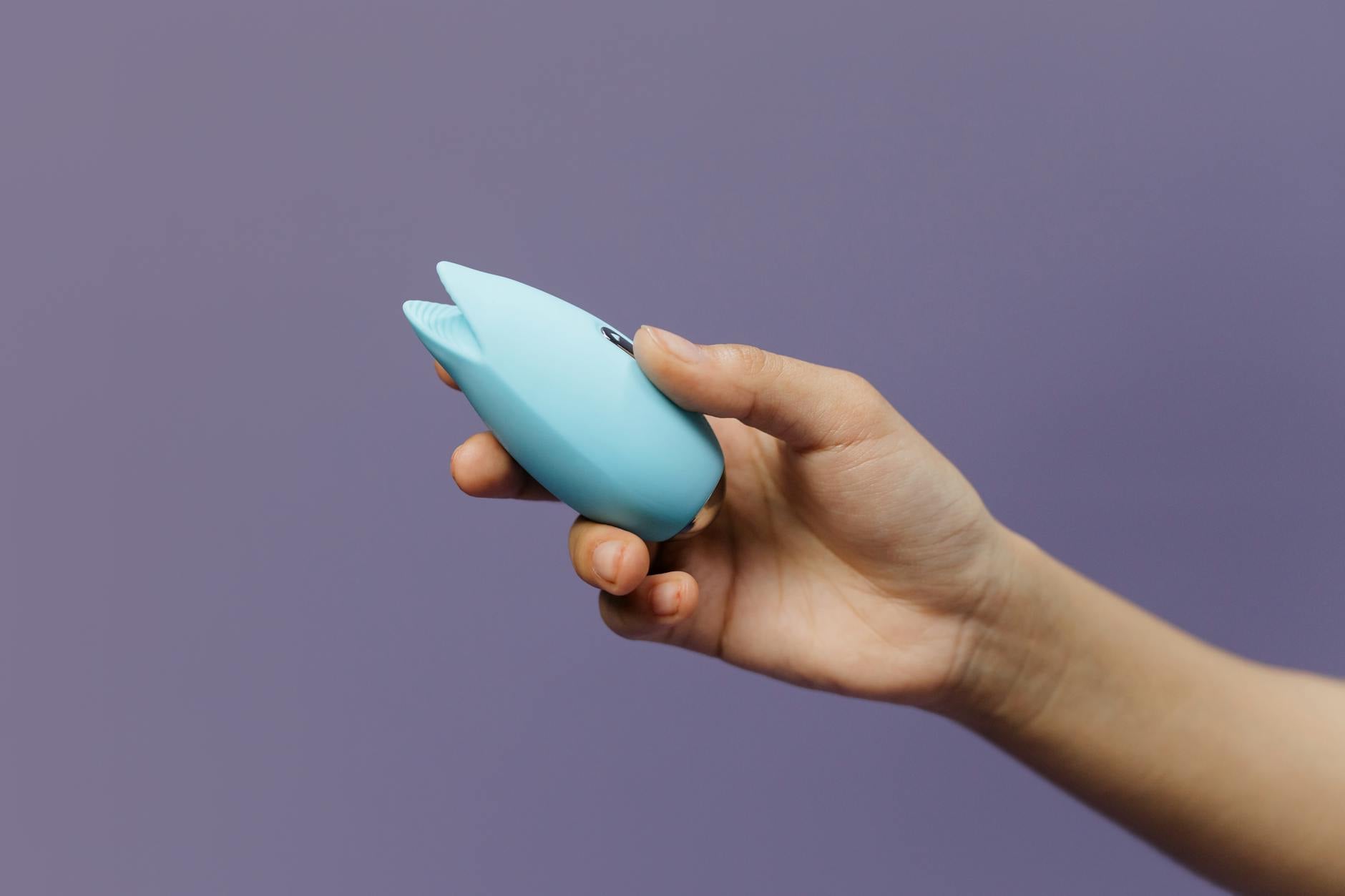
Let's talk about what alcohol actually does to pleasure
Honestly, this is the conversation nobody wants to have. We talk about alcohol and sexual confidence, alcohol and lowered inhibitions, alcohol and "liquid courage." What we don't talk about is that alcohol is also a depressant. It doesn't enhance sensation. It dulls it. And once you stop drinking or cut back meaningfully, you might suddenly find that your lemon vibrator, your favorite clitoral vibrator, or any tool for pleasure works in a completely different way.
The difference can be shocking.
How alcohol affects your nervous system and sensation
Alcohol is a central nervous system depressant. That means it slows down the signals between your brain and your body. When you're drinking, your sensory threshold rises. You need more stimulation to feel the same thing. This is why people often need harder, faster, more direct pressure when they've been drinking, and why orgasm can become harder to reach or can feel muted even when you do reach it.
But there's a neurological effect that's even more relevant for those of us who use external vibrators like the Lem. Alcohol dampens your brain's ability to process pleasure signals. It doesn't just make you numb. It makes your brain less responsive to the reward chemicals flooding in during arousal. So even if your body is technically responding, the subjective experience is flatter.
What your body does immediately after you quit or cut back
Within the first few days of reducing alcohol or stopping entirely, your nervous system starts waking up. Your sensory thresholds reset. Your brain's pleasure receptors become more responsive. This is actually one reason that people in early sobriety report such intense sensations when they do masturbate or have sex.
It can feel weird. Overwhelming, even. A lemon vibrator that felt fine before might suddenly feel too intense at settings you used to use comfortably. The sensation travels further up your thighs, feels sharper, more present. Your orgasms might look different, feel more concentrated, or arrive faster than they used to.
This is not a sign that something is broken. This is your nervous system healing.
The timeline of sensory recovery
There's no exact timeline, but I typically see this progression in my clients who've quit or significantly reduced drinking.
Days 1-7: Sensations feel sharper, almost too sharp. Existing tools might feel aggressive or overstimulating. Many people pull back and use lower settings or shorter sessions.
Weeks 2-4: The intensity normalizes a bit, but sensation remains clearer and more defined than before. Many people describe this as pleasantly heightened, not overwhelming.
Months 2-6: Arousal builds faster and more reliably. Orgasms are more accessible and often more complex. The full sensation landscape returns.
Beyond 6 months: For most people, sensation stabilizes at a new baseline that's noticeably richer than it was while drinking.
This isn't universal. Some people quit drinking and feel immediately, intensely better. Others take weeks to adjust. How much you drank, how long, and your individual neurology all play a role.
Why your favorite settings might suddenly feel wrong
You know the pattern setting you always used on your lemon clitoral vibrator. The one that worked reliably. The one you could almost phone in. If that setting suddenly feels too strong or too direct after you quit drinking, that's not because your device changed. It's because your nervous system did.
Many of my clients need to dial back to a lower pattern (1-3 instead of 4-6) when they first quit or significantly reduce. This is temporary and normal. As your nervous system stabilizes over weeks and months, you'll often find your sensitivity settles at a place where your old favorite settings feel perfect again. Sometimes better than they ever did.
The mental component is just as real
Alcohol wasn't just dampening your nervous system. It was probably muffling your thoughts too. The racing mind during sex, the performance anxiety, the self-consciousness. Alcohol temporarily quieted all of that. When you quit, that mental noise can return sharply. Your brain gets louder before it gets clearer.
This is crucial for using a lemon vibrator effectively during this transition. Your sensation is waking up, yes, but your mind might be more active too. That means your baseline arousal state might be lower even if your raw sensory capacity is higher. You might need longer warm-up time. You might need to consciously slow down and focus. The lemon vibrator is still a tool, but you're using it with a nervous system that's recalibrating.
What changes in partnered scenarios
If you're in a relationship and you've been drinking regularly, your partner might notice changes too. Your responsiveness might suddenly feel different. Your speed to orgasm might shift. Your communication might become clearer because you're more present and less medicated.
This is a time to be honest. "My nervous system is recalibrating" is a real statement. It's not something that needs fixing. It's something that needs patience and observation. Some couples find that this transition brings them closer because sensation suddenly feels more mutual and present. Others need to rebuild patterns that they'd adjusted to when alcohol was present.
The role of sustained sobriety versus occasional cutting back
There's a difference between occasional drinking (1-2 drinks, maybe once a week) and regular use that's muting your baseline. If you've quit entirely or reduced from regular drinking to occasional, your sensory recovery will be more pronounced. If you're just having fewer drinks but still drinking several times a week, the dampening effect is still there, just slightly less intense.
For meaningful sensory recovery, consistency matters more than perfection. One night out with cocktails won't erase weeks of clearer sensation. But if you're still drinking most nights, even moderately, your nervous system remains in a somewhat depressed state.
How to navigate pleasure tools during this transition
If you're quitting or cutting back and you want to use a lemon vibrator or any clitoral vibrator during the adjustment:
Start at a lower intensity than you used before. Pad sessions with more foreplay and warm-up time. If something feels overstimulating, that's your cue to stop or switch to a lighter setting, not to push through. Give yourself at least 2-4 weeks before you assume your old settings don't work anymore. Track what feels good (in a journal or just mentally) because sensation will shift week to week.
Remember that pleasure without alcohol often requires more active attention. You can't phone it in. That's actually a good thing. It's more responsive. It's more yours.
When to check in with yourself about the changes
If you've been sober or significantly reduced for 6 weeks and sensation still feels completely flat, or if numbness is getting worse instead of better, that might point to something else (depression, medication, hormonal shifts). That's worth checking in with a doctor about.
But if sensation is gradually sharpening, intensity is normalizing, and you're finding that your pleasure capacity is actually richer than before, you're on track. Your nervous system is healing. Your lemon vibrator is about to feel better than it ever did.
Frequently Asked Questions
Will my sensitivity stay this high forever after quitting alcohol?
No. Your baseline sensory capacity will stabilize at a healthier set point, but the sharp, almost electric quality of very early sobriety does usually normalize. That said, most people find that their pleasure capacity remains notably better than it was while drinking regularly. You're not trading one extreme for another. You're finding a sustainable middle ground where sensation is clear without being overwhelming.
Can I use a lemon vibrator while drinking occasionally?
Yes, but your experience will be muted. If you're using alcohol occasionally (a couple drinks once a week), a lemon clitoral vibrator will still work, but sensation will be softer, response time slower, and orgasm might be harder to reach. Many people find that the contrast actually motivates them to stick with their sobriety goals because the difference in sensation is so noticeable.
How long before I can go back to my old intensity settings?
For most people, 4-8 weeks. But this varies wildly. Some people need 2 weeks, some need 3 months. The rule is simple: if a setting feels too intense, dial it down. If it feels comfortable, you can stay there or gently try turning it up. Let your body tell you, not a timeline.
Does this affect people differently based on how much they were drinking?
Absolutely. Someone who had two drinks most nights will see more dramatic shifts than someone who had one. Someone who was regularly drinking to the point of blackouts will experience even more profound sensory recovery. The more alcohol was affecting your baseline, the bigger the turnaround when you quit.
What if my partner doesn't notice a difference in my pleasure?
That's possible, especially if you're only reducing, not quitting, or if the changes are subtle. But give it 4-6 weeks. Most partners do notice increased responsiveness, faster arousal, and more vocal feedback from their partners in sobriety. If nothing shifts by then, the barrier might be something other than alcohol (stress, relationship dynamics, medication). Worth exploring separately.
Is the increased sensation permanent after quitting alcohol?
Yes, mostly. Your baseline will stay sharper and more responsive than it was while you were drinking. That said, other factors (stress, sleep, hormones, medication) can temporarily dull sensation, so there's no guarantee you'll feel amazing every single time. But your foundational capacity for pleasure will remain richer.
The bottom line
Alcohol was dimming your pleasure dimmer switch. When you quit or cut back, that switch gradually brightens. Your lemon vibrator isn't changing. Your nervous system is. That transformation takes time, requires patience with intensity fluctuations, and usually pays off in a way that feels genuinely better than before. Your pleasure matters. It matters sober even more.