Here's what actually happens when hormones shift
Your clitoris doesn't go dormant after hormonal changes. What changes is the tissue surrounding it and how quickly blood flows to it. The glans (the visible tip) has the same nerve density it always did. But estrogen drop means the tissue gets thinner, blood vessel walls become more fragile, and sensation can feel sharper or duller depending on the stimulation method. This is not permanent damage. It's a physiological shift that responds brilliantly to the right tools.
The reason I mention this first is that most people assume reduced sensation means reduced pleasure. That's backwards. It means your body needs different stimulation to reach the same peak.
Why friction-based vibrators feel uncomfortable after hormonal changes
Traditional vibrators rely on rapid side-to-side or up-and-down friction against the clitoris. When tissue is thinner and more sensitive, that friction can feel abrasive or even painful. You might find yourself needing to press harder into the toy, which creates tension instead of relaxation, and tension kills arousal.
The sensation is often described as "too sharp," "too intense," or "kind of numb at the same time." Both extremes come from the same root cause. Your tissue needs a gentler approach, but one that still delivers enough stimulation to trigger arousal. That's where lemon vibrators and air-suction devices shine.
Clitoral suction works differently than vibration. Instead of friction, suction creates gentle pressure waves that stimulate the entire clitoral body. You're not rubbing the tissue. You're drawing blood into it. The effect is deeper, gentler, and often more intense than friction ever was.
How lemon vibrators deliver sensation differently
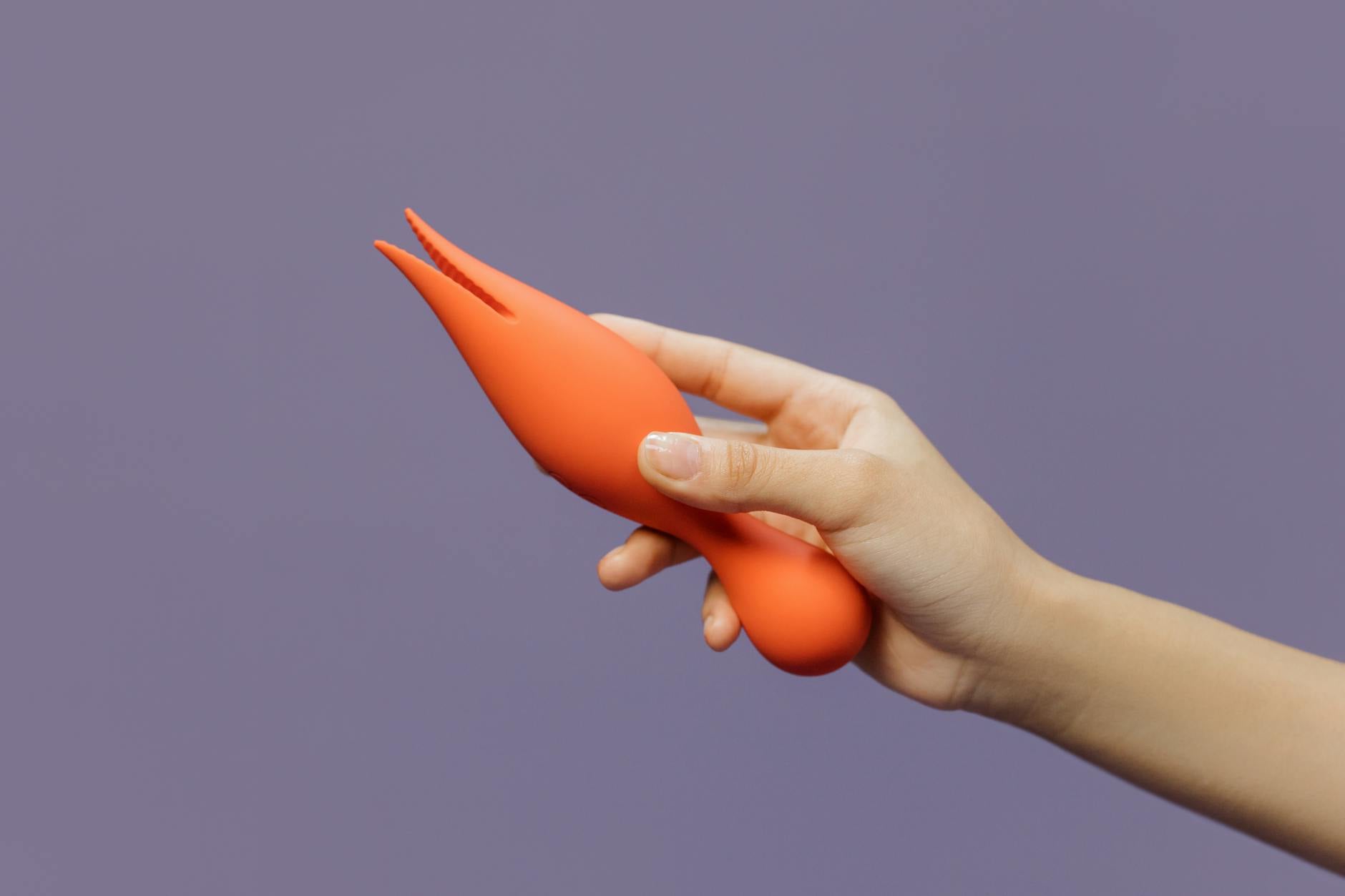
A lemon vibrator uses air-pulse technology (also called suction or licking patterns depending on the brand). The toy creates a small, sealed chamber around the clitoris and then pulsates that pressure. You feel the stimulation across the whole glans and the internal structure of the clitoris, not just the surface.
This matters massively for sensitive or changed tissue because.
First, you control the intensity by choosing the pulse pattern and speed. Most lemon vibrators start at very gentle patterns (often described as pattern 1 or 2), which feel almost like a massage. You can build up gradually instead of being forced into high intensity.
Second, the suction approach means you don't need direct contact with the toy. Some people find they need just the lightest seal for maximum effect. Others press firmly. You get to find your own sweet spot instead of being locked into a one-size-fits-all friction approach.
Third, because lemon clitoral vibrators aren't relying on speed to create sensation, you can use them for longer without numbness setting in. Friction-based vibrators tire the tissue quickly. Suction distributes the stimulation more evenly.
What partners should understand about sensation changes
If you're exploring lemon vibrators with a partner, they should know this up front. Sensation changes are not rejection. They're not a sign that they've done something wrong. They're a signal that your nervous system is ready to explore a new kind of stimulation.
Many couples find that introducing an air-suction toy into partnered sex actually improves intimacy because the pressure to perform (or to make things work the old way) lifts. You're both trying something new. You're both learning what feels good. That's different energy than troubleshooting a problem.
One thing I recommend: if you're using a lemon vibrator for the first time with a partner, start with solo exploration first. Spend a week or two getting to know how it feels when you're alone and can focus entirely on sensation without any performance pressure. Then introduce it to partnered time. You'll know your body's signals well enough to communicate what's working.
The role of lubrication with air-suction toys
Unlike friction-based vibrators, lemon vibrators actually work better with lubrication. Water-based lube helps create a better seal between the toy and your skin, which means the suction mechanism functions more efficiently. You'll feel a stronger sensation with less intensity setting required.
After hormonal changes, using lube is also gentler on thinner tissue. It reduces any micro-friction and makes the whole experience more comfortable. Many people find that <a href="/en/blog/does-lemon-vibrator-work-better-with-lubricant">pairing a lemon vibrator with quality lubricant</a> transforms the sensation from "okay" to "oh wow."
One more detail: if your tissue is noticeably thinner or you experience any pain, consider reaching out to your healthcare provider about topical estrogen. That's a separate tool from toys, but it can make an enormous difference in baseline tissue health and sensation. A lem vibrator works well alongside medical treatment, not instead of it.
Warm-up time shifts when hormones change
Your body might need longer to build arousal now. This isn't a flaw. It's normal physiology. Budget 15 to 25 minutes for arousal instead of 5 or 10. Start with whatever turns you on mentally (audio, fantasy, partner interaction, whatever). Then move to the toy.
When you do reach for a lemon vibrator, start at the lowest pattern or speed. Let your body recognize what's happening. Many people find that if they jump straight to high intensity, nothing happens. But if they give the tissue time to respond to gentle suction, arousal builds beautifully.
This feels like a limitation until you reframe it. Longer foreplay is not longer foreplay because something's broken. It's longer foreplay because you deserve it. Your pleasure is worth the time.
Building sensation in partnered moments
If you're exploring a lemon clitoral vibrator during partnered sex, you can use it together. Some people enjoy their partner holding the toy while they direct the intensity. Others like to hold it themselves. There's no script here. What matters is that you're both comfortable and communicating.
One surprising thing I've noticed in my practice. Partners often feel relieved when air-suction toys enter the picture because the pressure to "make it work" through penetration or manual stimulation alone lifts. The toy becomes a tool you're using together, not evidence of anyone's failure.
You might also find that partnered use of a <a href="/en/blog/why-lemon-vibrators-work-better-for-sensitive-tissue">lemon vibrator designed for sensitive tissue</a> opens conversations about what else has changed or what you both want differently now. That's the real benefit. The toy is just the entry point.
When sensitivity changes feel like pain
There's a meaningful difference between sensation feeling different and sensation causing pain. Discomfort during arousal is worth addressing. It could be insufficient lubrication. It could be going too fast. It could also be a condition called genitourinary syndrome of menopause (GSM), which is medical and treatable.
If you're using a lemon vibrator and feeling sharp pain or burning, stop and give yourself space. Try again with more lubrication. If it persists, talk to a healthcare provider who specializes in sexual health. You might benefit from topical estrogen cream in addition to the toy.
The goal here is pleasure, not endurance. If something hurts, you're not doing it wrong. You're getting feedback that this approach isn't the one for right now.
The nervous system piece that matters most
Here's something they don't tell you about hormonal changes and pleasure. Your nervous system gets quieter. The constant hum of cycling hormones settles. For many people, that means fewer distractions during sex and more ability to focus on sensation. Your brain isn't managing hormone cycles anymore. It can just be present.
That's where lemon vibrators shine, honestly. They give your body a clear, focused stimulus to respond to. The suction is rhythmic. The sensation is localized. Your nervous system can track it easily. For people whose attention was scattered before, this focus can feel revelatory.
FAQ
Why does my lemon vibrator feel numb after a few minutes of use?
This usually means you're starting too high on the intensity scale. Begin with pattern 1 or 2, even if it feels too gentle at first. Let your tissue respond for a few minutes. Often, sensation deepens as blood flow increases. If you jump straight to high intensity, your nerves go into temporary shutdown (called accommodation). Start low. Build up. You'll likely reach more intense sensation at a lower setting than you'd expect.
Can I use a regular vibrator if I've had hormonal changes, or do I really need a lemon vibrator?
You can use whatever feels good. But most people with hormonal-related sensitivity changes find that air-suction devices like lemon vibrators feel more comfortable than friction-based tools. Friction can feel sharp or irritating on thinner tissue. If you already own a friction vibrator and it works, keep using it. If you're shopping new, lemon clitoral vibrators are worth trying first because they're gentler and often more effective for changed tissue.
Does using a lemon vibrator more frequently help rebuild sensation?
Not quite. Using it more frequently doesn't "train" your tissue back to old sensation levels. But it does help you learn what your current sensation actually is. Many people find that as they explore with the right toy, they stop comparing themselves to before and start actually enjoying what's happening now. The sensation isn't coming back. But your relationship to it can shift completely.
Is it normal for lemon vibrators to feel better with a partner than solo?
Completely normal. Partnered presence, attention, and the security of being with someone you trust can deepen arousal. You might find that solo exploration feels clinical (gathering data about your body) while partnered use feels more relaxed. Neither is better. They're just different contexts. Some people need both.
Should I tell my partner that I need a lemon vibrator because of hormonal changes?
If you have a partner, yes. Keep it simple: "My body's changed. I'm excited to explore what feels good now, and this toy helps me get there." That's it. You're not saying anything's wrong with them or with you. You're saying you want to enjoy yourself, and you're being practical about it. Partners who shame you for that aren't worth keeping around anyway.
Can I use a lemon vibrator if I'm on hormone therapy?
Absolutely. If you're using topical estrogen or systemic HRT, those are increasing tissue health and blood flow. A lemon vibrator will likely feel even better. If you're navigating hormone therapy and pleasure changes at the same time, give yourself grace. Your body's getting back to baseline while you're also exploring new tools. That's a lot of change happening at once. Be patient with yourself.
The bigger picture
Hormonal shifts change sensation. They don't end pleasure. A lemon vibrator isn't a workaround for broken pleasure. It's a tool designed for how your body actually works now. That's the whole point of Hello Nancy. We don't pretend you're the same as you were five years ago. We help you enjoy who you are right now.
If you're curious about exploring air-suction toys for the first time, start with lower intensity and give your body time to respond. Use lubrication. Budget time for warm-up. And if you want more guidance, <a href="/en/blog/how-to-use-lemon-vibrator-first-time-beginner">our beginner guide to lemon vibrators</a> walks through everything step by step.
Your pleasure matters. Your changed body deserves attention and the right tools. That's not negotiable.