The question nobody asks until they need to
You're home from surgery. The pain is fading. Life is slowly returning to normal. And then you wonder: when can I actually feel good again? Not just functionally, but the kind of good that comes from pleasure. Nobody puts this on the discharge papers.
The honest truth is that sexual pleasure after pelvic surgery is possible, and sooner than many people assume. But "when" depends entirely on what happened inside, how your body is healing, and whether you're getting the right information. Most people get silence instead.
What counts as pelvic surgery (and why it matters)
Pelvic surgery isn't one thing. It's a category. Hysterectomy, oophorectomy, fibroid removal, endometriosis excision, bladder procedures, cesarean sections, and vaginal repairs all live here. The tissue trauma, healing timeline, and impact on sensation vary wildly between them.
A hysterectomy involves major incisions and internal reconstruction. Fibroids removed vaginally cause less general trauma but potentially more localized irritation. Cesarean sections heal differently than vaginal delivery. Your surgeon's specific technique matters too. Open surgery takes longer to heal than laparoscopic. All of this changes when pleasure is actually safe.
Here's what's consistent across all of them: your body needs time to stop being in survival mode before it can access pleasure. That's not metaphorical. It's neurology.
The first six weeks: tissue repair mode
For the first four to six weeks post-op, your body is doing serious internal construction. Blood vessels are repairing. Incisions are closing from the inside out. Inflammation is high. Swelling is present even if you can't see it. Your nervous system is in sympathetic activation, meaning your body is resourced toward healing, not toward relaxation or arousal.
During this window, any kind of vigorous stimulation to the surgical area is contraindicated. This isn't about pain tolerance. It's about not disrupting healing tissue. It's the same reason your surgeon told you not to lift heavy things or exercise hard. Your clitoris and vulva didn't get cut, but everything is connected through fascial planes and nerve pathways. Pelvic floor tension, even from orgasm, creates intra-abdominal pressure that can compromise fresh repairs.
So for the first six weeks: no lemon vibrator. No penetrative sex. No vigorous solo stimulation either.
Weeks six to twelve: the gray zone
This is where it gets complicated, and where your surgeon's clearance actually matters. Most gynecologists give medical clearance for sex around six weeks post-op, usually defined as "when bleeding has stopped and you feel ready." But clearance for penetrative sex and clearance for orgasm are not the same conversation.
Orgasm triggers rhythmic pelvic floor contractions. Those contractions increase intra-abdominal pressure. If you're still healing from a hysterectomy or significant fibroid removal, that pressure can cause sharp pain or, worse, create complications in the repair. Light vulvar stimulation feels different than an orgasm.
Many gynecologists don't distinguish between these. They give a blanket "okay, you're cleared" and assume you'll figure out the rest. You won't, and you can't, without more nuance.
Here's the framework I use with clients: at six weeks, gentle external stimulation with fingers is usually safe if there's no pain. No vibration yet. No orgasm. Just sensation and arousal building slowly. A lemon clitoral vibrator or any lemon sucker is still too much.
Weeks twelve to sixteen: when pleasure returns
Around twelve weeks post-op, most tissue has achieved primary closure and early remodeling. Inflammation is dropping. Pelvic floor function is starting to normalize if you've been doing pelvic floor physical therapy (which you should be, honestly).
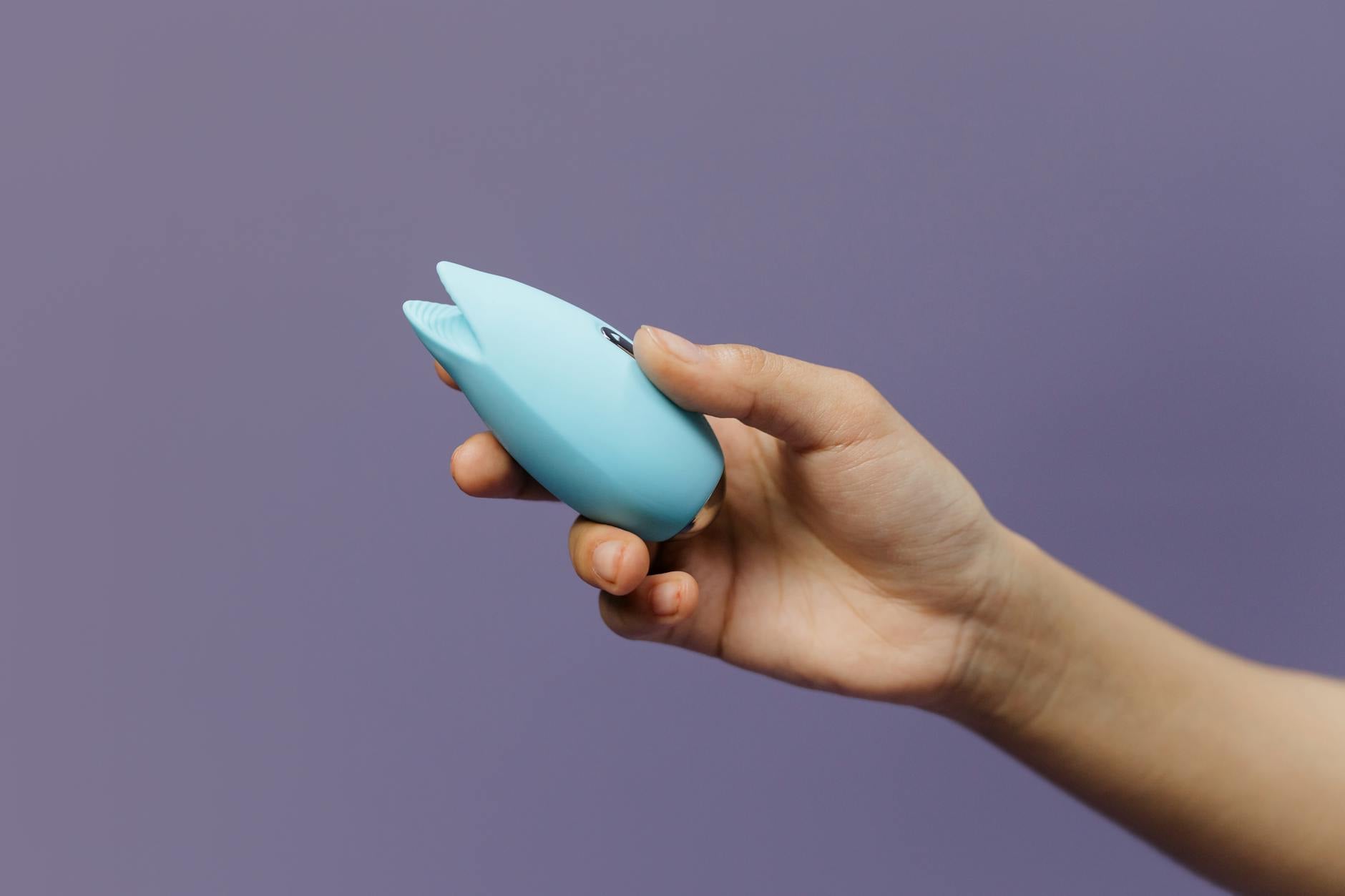
This is when light vibration can be introduced, but with real care. Start with the lowest setting. Use it externally only, on the clitoris, for very short periods (two to three minutes maximum). The lemon vibrator is actually perfect here because suction-based stimulation is gentler than traditional vibration. It doesn't hammer tissue. It creates a gentle seal and negative pressure, which feels less mechanically aggressive than a standard vibrator.
Stop immediately if you feel sharp pain, pressure, or heaviness. Mild tingling or soreness the next day might just mean you pushed too hard, too soon. Sharp pain is different. Sharp pain is tissue saying no.
Expect orgasm to feel different than it did before surgery. Sensation might be duller. Orgasms might feel shallower or more concentrated. This can persist for months as innervation settles and scar tissue matures. This doesn't mean something is wrong. It means tissue is reorganizing, and sensation takes time to normalize.
Individual variables that change the timeline
Your specific recovery depends on five things:
1. Type of surgery. Hysterectomy and extensive fibroid removal: twelve to sixteen weeks minimum before vibrator use. Laparoscopic procedures: potentially eight to ten weeks. Vaginal repairs: sometimes six to eight weeks, depending on depth and extent.
2. How extensive it was. Removal of one fibroid is not the same as removal of fifteen. Your surgeon can tell you the scope. More extensive equals longer healing.
3. Your age and healing biology. Younger bodies typically heal faster. Chronic inflammation, diabetes, or autoimmune conditions slow healing. Smoking delays it significantly. These aren't moral judgments. They're biology.
4. Pelvic floor function. If your pelvic floor stayed tight through surgery and recovery, returning to stimulation is riskier because that tension increases pressure. Physical therapy with a pelvic floor PT is genuinely worth doing before resuming pleasure.
5. Scar tissue and adhesions. Some people develop scar tissue that tightens and limits sensation. Others heal cleanly. You won't know until you try, but if sensation stays flat or pain develops after eight months, ask your surgeon about adhesions.
How a lemon vibrator specifically fits into recovery
Suction-based stimulation like the lemon clitoral vibrator has real advantages during post-surgical recovery. It doesn't require deep penetration. It doesn't hammer tissue. The sensation is more even and less mechanically aggressive than a traditional vibrator.
Once you're cleared to try stimulation again, starting with a lemon vibrator makes sense. Use the lowest suction setting. Keep sessions short. Use it solo first, so you can control pressure and duration without pressure from a partner to "keep going."
Water-based lubricant helps if tissue feels dry, which is common after surgery involving hormone-producing organs. The extra glide means less friction and less demand on tissues.
When to loop in a professional
If eight weeks have passed and you're still having sharp pain with any stimulation, talk to your surgeon. If scar tissue is limiting sensation or causing pain, there are treatments. Pelvic floor physical therapy can address tension or dysfunction that's blocking pleasure. If arousal feels blocked even though pain has resolved, sometimes a therapist specializing in post-surgical sexuality can help.
One more thing: if depression or anxiety about your body has shown up since surgery, that's worth addressing too. Pleasure isn't just physical. If your brain is offline, your body won't have access to it either.
The real timeline: summary
Weeks one to six: rest. No vibration. Your body is healing and needs the resources for that.
Weeks six to twelve: gentle external touch with fingers only. No vibrator yet.
Weeks twelve to sixteen: introduce light vibration with a lemon clitoral vibrator on the lowest setting, five to ten minutes maximum, externally only.
Week sixteen onward: gradually increase intensity and duration as tissue tolerates it and sensation normalizes.
Your individual timeline might be shorter or longer. Listen to your body, not a calendar. Pain is information. Pressure or heaviness is information. Dullness in sensation is normal and will improve. Trust your surgeon's timeline, but ask for specificity. "Six weeks" is not a care plan. It's a rough starting point.