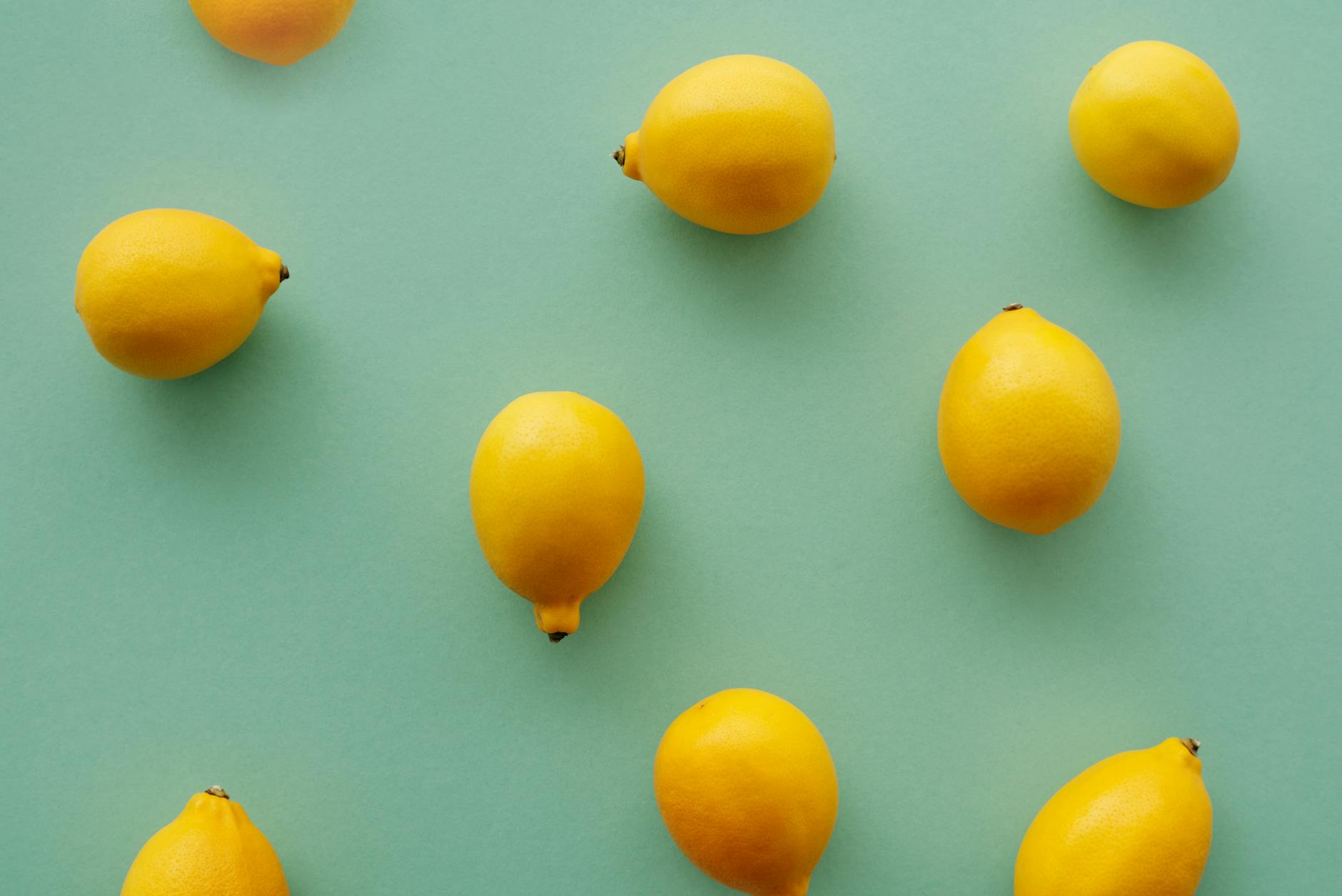
How to Use Lemon Vibrators After Hormonal Shift From Menopause or Perimenopause
Let's be real. Menopause and perimenopause feel like someone rewired your body's instruction manual and forgot to give you the updated version. Sensation changes. Lubrication changes. The speed at which your nervous system lights up changes. But here's what I've learned working with hundreds of clients navigating this transition: it's not the end of pleasure. It's a pivot.
And a lemon clitoral vibrator often becomes one of the most useful tools during that pivot, precisely because it doesn't require what your changing tissue might resist. Let me walk you through what actually shifts, why a lemon sucker design matters now, and how to rebuild the sensations you thought might be gone.
What hormonal shift actually changes about sensation
When estrogen drops, three physical things happen almost simultaneously. Vaginal tissue thins and becomes more fragile. Natural lubrication decreases because there's less hormonal signaling telling your glands to produce it. And the pelvic floor loses some of the elasticity and blood flow that estrogen maintained. That's not a moral failure. That's biology.
But here's the part no one tells you clearly enough: your clitoris doesn't stop working. The neural pathways that generate pleasure remain intact. Your brain's capacity for arousal and orgasm stays exactly where it was. What changes is primarily how you access those systems.
A lemon vibrator, especially one using air-suction technology rather than direct vibration, becomes valuable during this shift because it stimulates without the mechanical pressure that thin tissue might find uncomfortable. It creates a sensation that builds gradually, which matches how arousal tends to work when estrogen is lower.
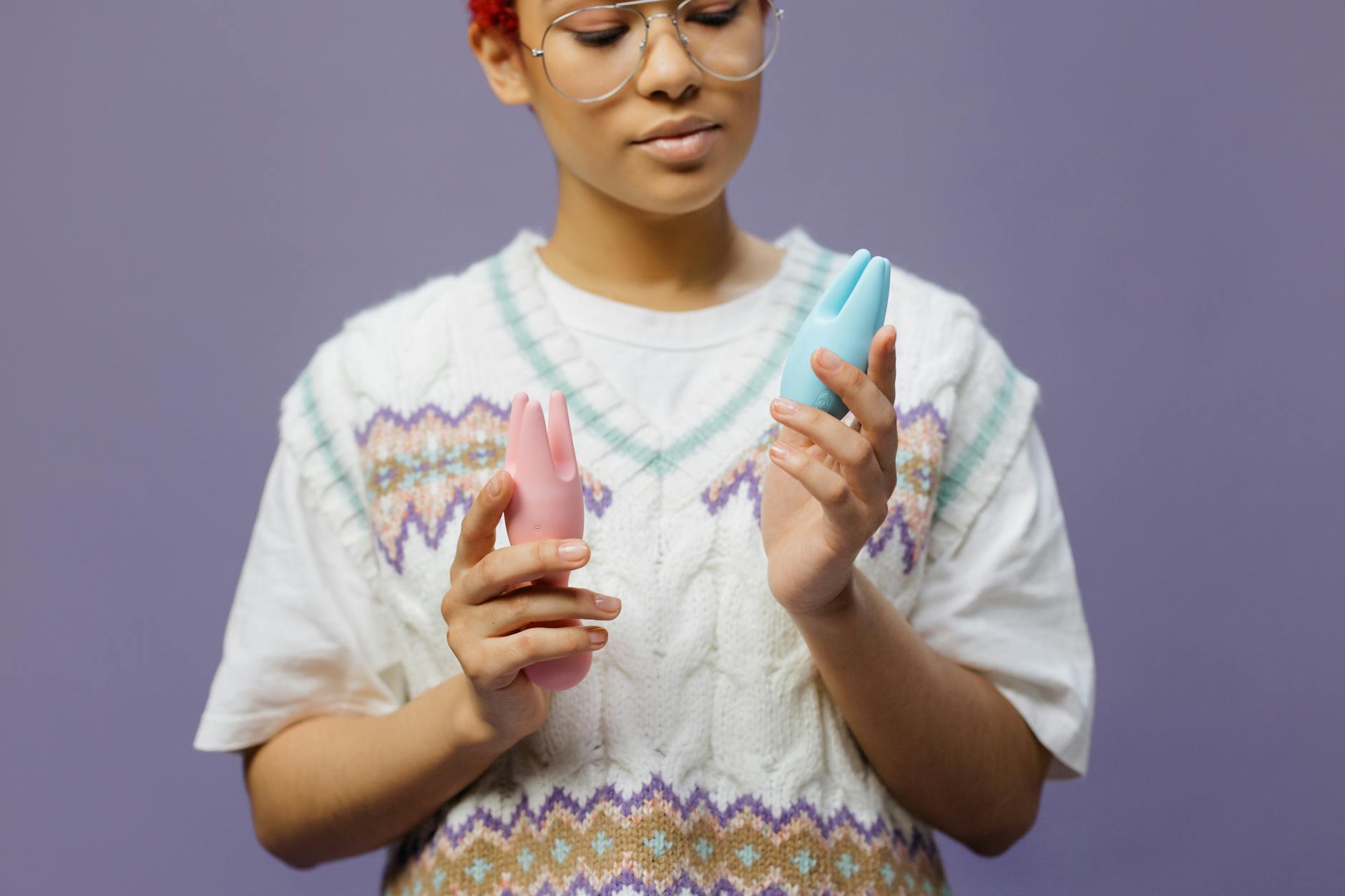
Photo by cottonbro studio on Pexels
Why direct vibration feels different now (and why that matters)
Before hormonal shift, many people with vulvas can use almost any clitoral vibrator without thinking about pressure. The tissue is thicker. The skin has more bounce-back. You can go from zero to high intensity without discomfort.
After menopause or deep into perimenopause, that same intensity often feels too sharp or even painful. Some people describe it as a buzzing sensation that feels more irritating than pleasurable. Others say direct vibration fatigues the area too quickly.
A lemon clitoral vibrator works differently. The suction action creates a gentle pulling sensation that stimulates nerve endings without the repetitive jackhammer feeling of traditional vibration. It's more like a sustained hum under the skin rather than something tapping on top of it. For people with newly sensitive tissue, that distinction is everything.
The adjustment timeline you can actually expect
This isn't something that fixes overnight, and that's worth naming upfront. When estrogen drops, your nervous system doesn't immediately recalibrate. Sensation rebuild usually takes weeks, not days.
Week one and two: Expect to take longer to warm up. You might need fifteen to twenty minutes of foreplay or external stimulation before anything feels like much. Avoid the temptation to skip this or rush it. Your body isn't broken. It's just operating on a different timeline.
Week three to six: As you use your lemon vibrator consistently, your tissue adapts. Lubrication (whether natural or added) becomes easier to produce. Your nervous system starts recognizing the sensation pattern as pleasurable again. Many people report that this is when intensity options on the vibrator become actually useful rather than necessary.
Week six onward: Pattern emerges. You'll notice which intensity levels work best for your current hormonal state. You might discover that some days feel dramatically different from others (thanks, estrogen fluctuations during perimenopause). This variability is normal and not something to fight.
Using a lemon vibrator when tissue is thin or tender
Three practical rules for this phase:
First, always use lubrication. Not because anything is wrong with you, but because thinner tissue benefits from the glide. Water-based lube is the safest bet if you're using a silicone toy. Apply generously. Reapply halfway through if needed. This changes everything about comfort.
Second, start at the lowest intensity setting. I know this sounds obvious, but the instinct during hormonal shift is often to turn it up because you're not feeling much initially. Resist that. Low intensity lets your tissue adjust and your nervous system register sensation without overwhelming it. You can always increase intensity once you've warmed up.
Third, focus on the general clitoral area rather than direct contact with the glans. The clitoral structure extends much further than most people realize. Using your lemon vibrator on the mons, the hood, or the outer structures first creates a broader pattern of stimulation. This often feels better than targeting the most sensitive spot when tissue is newly vulnerable.
How to rebuild lubrication patterns
Some of the lubrication decrease during perimenopause and menopause is permanent tissue change. Some is temporary nervous system adjustment. The tricky part is you can't always tell which is which.
What you can do: be patient with your body's capacity to produce its own lubrication, but don't wait around for it to happen on its own. Using external lube actually helps your body remember how to make its own. It sounds backwards, but there's a reason for it. When tissue is lubricated, the friction is lower, which means your nervous system can focus on pleasure signals instead of discomfort signals. Over time, that repeated pairing trains your system to respond.
Some people find that coconut oil or a heavier water-based lube helps more than thin formulas during this phase. Others swear that silicone-based lube feels most natural (though you'll need a different toy if you switch to silicone). Experiment. There's no single right answer.
When hormonal patterns shift your lemon vibrator experience
If you're in perimenopause, you know that hormones don't just drop and stay dropped. They fluctuate wildly. A lemon sucker might feel amazing one week and surprisingly intense the next week. This is not a sign you're doing something wrong.
Track what you notice. You might find that just before your cycle (if you still have one), you prefer lower intensities. After ovulation, you might want higher settings. Or the opposite might be true for you. The data is personal.
This variability actually gives you useful information about your body. It tells you that your nervous system is still responsive, just on a different schedule. That's powerful information.
Building emotional permission alongside physical sensation
Here's something that therapy taught me: half of what feels different about pleasure during hormonal shift is biological. The other half is often psychological.
Menopause and perimenopause arrive with cultural narratives. You're aging. You're past your peak. Sex gets harder. These stories, whether we consciously believe them or not, change how we experience our bodies. They create anticipatory anxiety. They make us less likely to experiment or advocate for what we need.
Rebuild sensation alongside rebuilding permission. Your lemon vibrator isn't just a device. It's also permission to take pleasure seriously during a phase of life that culture has told you to minimize.
When to bring a partner or another person into this adjustment
If you have a partner, this transition is worth discussing separately from any sexual experience itself. "My tissue is changing and I need different kinds of stimulation" is a very different conversation from "I want us to reconnect" or "I'm worried about losing attraction." Confusing those creates dead ends.
A lemon clitoral vibrator can be useful in partnered sex, but not as a Band-Aid for communication. If you and your partner need to rebuild connection during hormonal shift, that's real work that a device won't solve. It might be worth exploring what those conversations need to include before diving into new tools.
Practical troubleshooting for the first few weeks
If a lemon vibrator still feels too intense: try applying it over your underwear or a thin layer of fabric. This reduces direct stimulation while still delivering the sensation. Or try the very lowest setting for longer periods instead of higher intensity for short bursts.
If you're not feeling much of anything: this is often just tissue adjustment, not permanent numbness. Give it more time and more lubrication before assuming it's not working. Some people need four to six weeks of consistent use before sensation fully rebuilds.
If one side of your vulva feels different from the other: that's common during hormonal shift. Tissue changes don't always happen symmetrically. You can focus your lemon vibrator on whichever side feels most responsive.
If natural lubrication hasn't returned after several weeks: that's worth mentioning to a doctor, especially if dryness is also happening elsewhere (lips, eyes). Sometimes topical estrogen or other treatments can help, and there's no reason to white-knuckle through discomfort.
Why a lemon vibrator specifically during this phase
You could use other toys during hormonal shift. A wand vibrator works. Fingers work. But a lemon sucker works differently because the suction mechanism creates a pulling sensation that doesn't rely on direct pressure. For tissue that's newly sensitive, that distinction matters.
It's also the reason lemon adult toys and lemon sexual toys have become standard recommendations from therapists and gynecologists during menopause and perimenopause. The design solves a real problem: how to maintain pleasure when tissue has changed but nerve endings haven't.
FAQ
Does hormonal shift permanently change how pleasure feels with a lemon vibrator?
Not permanently in the sense of gone forever, but yes, it changes. Your tissue will remain thinner unless you're on hormone replacement therapy. That means lemon vibrators might always feel better than very intense vibration. But sensation rebuilds, arousal returns, and many people find that post-hormonal-shift pleasure is actually richer than before because they're less in their head about performance.
How long until I feel normal pleasure again after starting perimenopause?
Normal is a slippery word. You won't feel exactly like you did before, because your body has actually changed. But responsive pleasure usually rebuilds within four to eight weeks of consistent use of tools like a lemon clitoral vibrator, especially paired with lubrication and patience. If nothing is returning after two months, talk to a gynecologist.
Can I use a lemon vibrator if I'm on hormone replacement therapy?
Absolutely. HRT changes the timeline of sensation rebuild, sometimes speeding it up. Your tissues will be thicker and lusher if HRT is working well for you. You might find that you can tolerate higher intensities sooner. That doesn't mean you have to. Start low anyway and build from there.
Is it normal for arousal to take longer now, even with a good lemon vibrator?
Completely normal. Slower arousal is one of the most common experiences during perimenopause and menopause. It's not a problem to solve. It's a timeline to respect. Budget more time for pleasure. Use that as an invitation to slow down and notice sensation more carefully instead of racing toward orgasm.
What if my partner wants to use a lemon vibrator with me but I feel self-conscious about hormonal changes?
This is worth separating into two conversations. One conversation is about your body changing and what that means for you. The other is about what tools might feel good during partnered sex. You don't owe your partner access to your body during a vulnerable transition. If you want to integrate a lemon sucker into partnered sex, do it because you want to, not because you're trying to compensate for anything.
Does my doctor need to know I'm using a lemon vibrator after hormonal shift?
Not unless there's pain or something feels medically wrong. If you're experiencing pain during or after use, mention it to a gynecologist. Otherwise, this is your private information to manage however feels right.
The real truth about pleasure during hormonal shift
Menopause and perimenopause change pleasure. They don't erase it. Estrogen drops, tissue responds, arousal takes longer. And yet, some of the richest, most satisfying sexual experiences I've seen in my practice happen on the other side of this transition.
That's not because bodies magically get better. It's because people stop performing for anyone else's timeline and actually learn what they want. A lemon vibrator becomes useful not because it fixes something broken, but because it matches what your body actually needs right now.
Take your time with this. Use lubrication without apology. Start low and build slowly. And notice that pleasure isn't behind you. It's just different. Sometimes different is actually better.