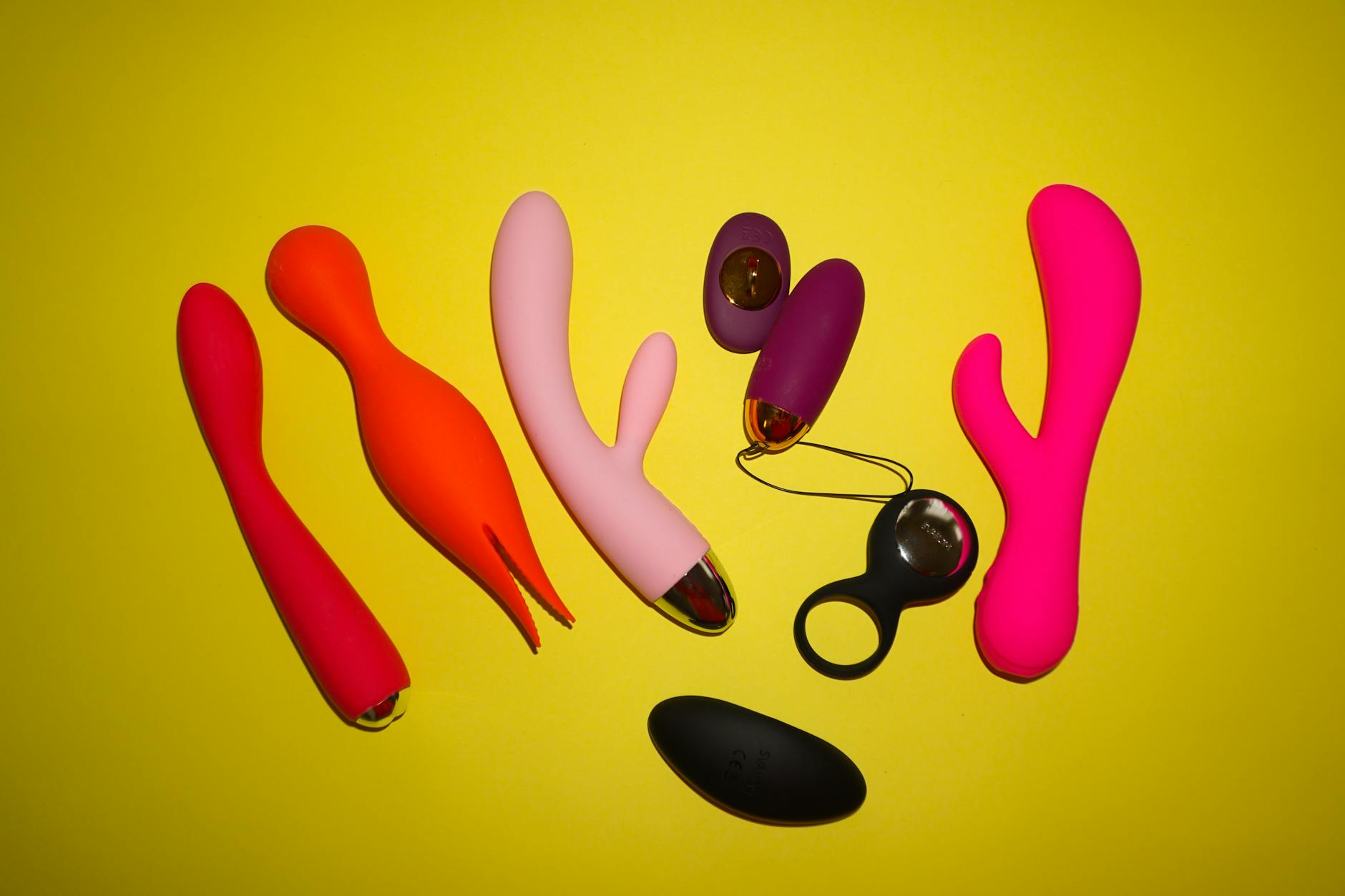
The disconnect is real, and it's not your fault
Honestly? Chronic stress doesn't just make you anxious. It literally suppresses your ability to feel pleasure. When your nervous system stays in fight-or-flight mode long enough, it essentially ghosting your sensory experience. Your brain stops registering touch as something nice. Your body goes numb. And then you feel broken on top of everything else.
Here's what's happening beneath the surface. Stress triggers your sympathetic nervous system. That's the one that evolved to run from tigers. When it's activated for weeks or months straight, your body deprioritizes nonessential functions. Pleasure? Nonessential. Arousal? Shut down. Your vagus nerve, which governs relaxation and sensation, gets bypassed. Touch becomes just sensation without feeling. Sex (or even self-pleasure) feels mechanical instead of connecting.
The good news is this isn't permanent. And a lemon vibrator, specifically, is one of the fastest ways to hack your way back into sensation.
Why stress erases sensation (and why clitoral stimulation brings it back)
Your clitoris has about 8,000 nerve endings. When your nervous system is hypervigilant, those nerves don't register subtle touch. A fingertip grazing your skin? Your brain doesn't even log it. But a targeted, rhythmic vibration at the frequency a lemon vibrator produces? That's intense enough to bypass the noise and reach your brain directly.
This is called sensory gating. Under stress, your nervous system learns to filter out "background" sensation to focus on threat. Vibration works because it's novel and specific enough to override that filter. It's like turning up the volume on something your brain was already trying to ignore.
A lemon vibrator also stimulates the clitoris in a way that your brain can't dismiss as everyday touch. The suction pattern creates a pressure and release cycle that actually interrupts the stress response. Each pulse activates your parasympathetic nervous system. That's your rest-and-digest mode. After a few minutes, your whole body starts realizing it's safe again.
Start where you actually are, not where you think you should be
If you're coming back from burnout or prolonged anxiety, don't expect instant fireworks. Your body might feel numb for the first few sessions. That's not a sign it's not working. That's your nervous system still learning that sensation is allowed.
Begin with 5 minutes, not 20. Use the lowest setting on the lemon vibrator. This sounds counterintuitive when you're used to vibrators cranked to maximum, but you're not trying to orgasm right now. You're teaching your nervous system that touch is safe again.
The sensory experience itself is the goal. Notice what you feel. Not what you think you should feel. Not what felt good before. Right now. Is there warmth? Tingling? A subtle shift in your breathing? That's reconnection happening. That's your vagus nerve waking back up.
The breathing piece changes everything
Here's something most vibrator guides skip entirely. Your breath is literally connected to your nervous system. Shallow breathing keeps you in stress mode. Deep breathing signals safety.
When you're using a lemon vibrator, your nervous system is already getting the message to relax through the stimulation. But if you're holding your breath or breathing shallow, you're fighting yourself. It's like pressing the gas and brake at the same time.
Before you turn on the vibrator, spend 30 seconds on intentional breathing. Breathe in for four counts, out for six. That longer exhale? That shifts your nervous system toward parasympathetic activation. Once you turn on the lemon vibrator, keep that breath going. If you notice your breathing getting shallow, pause. Reset your breath. Then continue.
This is why so many people find their first sessions with a clitoral vibrator feel like they're meditating more than having sex. And that's exactly what's supposed to happen.
Positioning matters when sensation feels faint
When your nervous system is dysregulated, the standard positions might not work. If you're tense, your pelvic floor is probably clenched. That actually reduces sensation further.
Try positioning yourself lying down with a pillow under your hips so your pelvis is slightly tilted. This relaxes your pelvic floor naturally. Some people find that positioning one leg bent and one extended helps them let go of tension they didn't even know they were holding.
The goal is to be comfortable enough that you're not managing your body. You want to forget you're in your body (in a good way) so your nervous system can actually reset. If you're holding yourself up or gripping the bed, you're staying in a low-level stress response.
When you apply the lemon vibrator to your clitoris, use light pressure initially. Let the suction do the work. Your instinct might be to press harder to feel more sensation. Resist that. Lighter pressure on a stimulated clitoris actually registers more intensely than harder pressure on a numb one. Your nerves are sensitive. Trust them.
What a real reconnection session actually looks like
Set aside 15 minutes. No phone. Dim lights. Temperature comfortable enough that you're not shivering and not sweating.
Lie down. Spend two minutes on breathing. In for four, out for six. Notice your body without trying to change anything. Are your shoulders tight? Your jaw clenched? That's information, not judgment.
When you're ready, turn on the lemon vibrator at setting 1 or 2. The lowest option. Apply it to your clitoris with minimal pressure. Now breathe. Your only job is to notice sensation. Is there a pulse? Warmth? A subtle building feeling, or just numbness right now? All of that is fine.
If you feel yourself tensing up, pause. Breathe. Reset. Sometimes your nervous system needs multiple small moments of safe sensation before it trusts that pleasure is actually possible again.
Stay for 5 minutes the first time. Some people feel tingling, warmth, or a subtle kind of pleasure after a few minutes. Some people just feel numb still, and that's okay. Your nervous system is learning.
If you do feel something shift—a tingle, warmth, relaxation in your shoulders—stay there and notice it. Don't chase orgasm. Don't try to intensify it. Let it be what it is. That sensation is your body saying it's starting to remember.
Building back to pleasure (the real kind, not the perform-y kind)
After three to five sessions at the low setting, your nervous system will likely start registering pleasure more reliably. That's when you can add a touch more intensity if it feels right.
Honestly though, this is where a lot of people mess up. They immediately jump back to their old intensity levels and then wonder why they feel disconnected again. Your nervous system needs time to recalibrate.
Increase intensity slowly. Move from setting 1 to 2 after at least five sessions. Stay at each level until pleasure feels genuinely good, not just intense.
This whole process might take three weeks before you feel genuinely connected during self-pleasure. That's not slow. That's your nervous system actually healing. Compare that to pushing through numbness for months and wondering why sex (or self-pleasure) still feels like something you're doing instead of something you're feeling.
When to bring a partner into this
If you're partnered, this reconnection work is something to do solo first. Your nervous system needs to relearn that sensation is safe before you layer in the pressure of someone else's presence or expectations.
Once you're feeling regularly pleasured on your own (even if it's not orgasmic yet), you can start to include a partner. But here's the critical part. Tell them what you're doing. Not because they need to do it for you. But because they need to understand you're in a reset phase. This isn't about them. It's about your nervous system recovering.
When they're present, use the lemon vibrator exactly as you would alone. Your partner can be nearby without directing or managing the experience. Sometimes their presence alone—knowing they're there, that you're safe, that this is allowed—accelerates the reconnection.
But only if the partnership is actually safe. If there's tension, criticism, or pressure underneath, your nervous system will feel that and freeze. That's a conversation for before you bring a vibrator into the bedroom.
FAQ: Reconnecting with pleasure through clitoral stimulation
How long does it usually take to feel sensation again after stress?
It varies, but most people report noticing something within three to five sessions. Tingling, warmth, or a subtle shift in their nervous system response. Full pleasure reconnection usually takes two to four weeks of consistent practice. Your timeline depends on how long the stress lasted and how much your body learned to suppress sensation.
Can using a lemon vibrator actually reset my nervous system, or is that overstated?
Yes, it's real neuroscience, not marketing. Rhythmic vibration at the frequency a lemon clitoral vibrator produces activates your parasympathetic nervous system. That's measurable. Your heart rate goes down. Your cortisol drops. Your vagus nerve becomes more responsive. Regular sessions literally rewire your nervous system's default state. You're not forcing pleasure. You're teaching your body it's safe to feel again.
What if I still feel numb after several sessions?
That might mean you need longer sessions at lower intensity, or it might mean something else is going on. Certain medications (like SSRIs) can numb sensation. So can deeper trauma. If numbness persists after two weeks of regular practice, it's worth checking with a therapist who specializes in somatic work or talking to your doctor about whether your medications might be a factor.
Should I try to orgasm during reconnection sessions, or just focus on sensation?
Don't chase orgasm while you're reconnecting. Seriously. That's your old nervous system pattern. Your brain learned that pleasure is something to achieve, not something to experience. Let sensation be enough. Orgasms will likely come back naturally once your nervous system feels actually safe. Pushing for them defeats the whole point.
Is it normal to feel emotional during or after using a lemon vibrator while stressed?
Completely. Pleasure triggers release in your nervous system. If you've been holding stress for months, that release might show up as tears, laughter, or just feeling a bit raw. Some people feel emotional relief. Some people just feel tired afterward, which is their body finally relaxing. All of that is your nervous system integrating safety. You're doing it right.
Can I use a lemon vibrator alongside therapy or other stress management?
Absolutely. This works best alongside actual stress reduction. Therapy, meditation, exercise, sleep. A lemon vibrator isn't a cure for burnout. It's one tool for helping your body remember pleasure exists while you're addressing the root stress. Think of it as supporting your nervous system recovery, not replacing it.
The real point
Stress doesn't permanently kill your capacity for pleasure. It just puts it on pause. Your nervous system learned to prioritize survival over sensation. That made sense when you needed it. But now you're safe. Your body just needs to catch up to that fact.
A lemon clitoral vibrator is one of the fastest ways to send that signal. Not because it's magic. Because it's specific, intense enough to bypass your stress filter, and consistent. Your nerves know how to feel pleasure. They've just been on mute. It's time to turn the volume back up.
If you want to talk through what reconnection actually looks like for your specific situation, reach out. That's what we're here for.