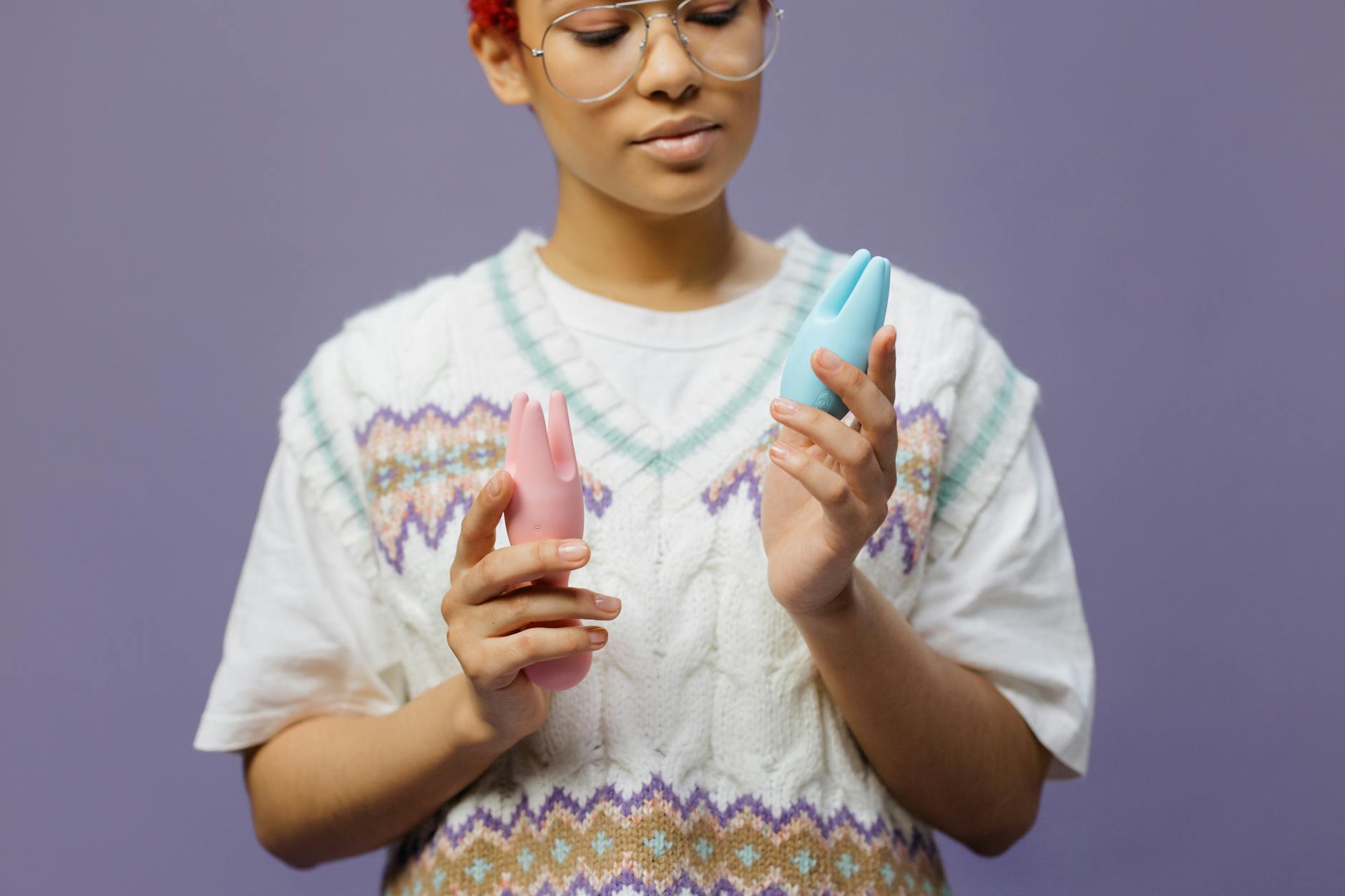
Your pleasure has a seasonal rhythm (and that's completely normal)
Let's be real: you're not the same in December as you are in June. The light is different. Your body temperature shifts. Hormone cycles interact with the season in ways science is still untangling. And your sexual response follows suit.
Most people don't notice this because no one talks about it. But my clients report it constantly: "I feel more desire in spring," "Summer kills my libido," "Winter is when I actually want to use my vibrator." None of them are broken. They're responding to seasonal variation, which is as normal as migratory birds or seasonal produce.
The good news is that understanding this pattern means you can adjust your lemon vibrator practice to work with your body instead of fighting against it. This isn't about forcing pleasure year-round. It's about meeting yourself where you actually are.
Why seasonal changes affect arousal and sensation
Three proven mechanisms drive this:
Light and melatonin. Shorter days mean more melatonin, the hormone that regulates sleep and has a documented cooling effect on arousal. This is why winter often flattens desire. Your brain is literally being told it's time to rest, not connect.
Temperature regulation. Heat increases blood flow. Cold narrows blood vessels. Your clitoris needs engorgement to respond optimally to a lemon vibrator. In winter, your body is actively working against that process.
Hormonal amplification. If you menstruate, seasonal light shifts can subtly affect your cycle length and intensity. Even if you don't, the interaction between circadian rhythm disruption and your body's sex hormone production is measurable. Spring often brings higher baseline testosterone (in everyone, across the board). Autumn brings a small dip.
Add in the fact that winter typically means more stress, less movement, indoor air dryness, and seasonal mood shifts, and your clitoral sensitivity dropping in January isn't mysterious. It's physics.
Autumn and winter: the sensitivity dip
This is when most people struggle most with pleasure. Shorter days, colder temperatures, heavier clothing. Everything conspires to move pleasure further down the priority list.
Three adjustments that help:
Warm yourself first. Before using your lemon vibrator, take a warm bath or shower. This isn't self-care theater. Elevated core temperature increases blood flow to your genitals directly. Even 10 minutes of warmth will shift how your clitoris responds. You'll notice the difference immediately.
Extend your warm-up time. In summer you might need 5-10 minutes of foreplay before using your vibrator. In winter, budget 15-20. Your body isn't being lazy. It's just working harder to prep for sensation.
Use richer lubrication. Water-based lube gets sticky in cold weather. In autumn and winter, switch to a hybrid (water-silicone blend) or pure silicone lube. Check that it's compatible with your lemon vibrator material first. Richer lube feels better when tissues are drier from heating systems and cold air.
One more thing: winter is when you might notice your orgasm takes longer to build or feels less intense. This is completely expected. Instead of treating it like a problem, reframe the extended timeline as permission to explore rather than rush. Many people find their most satisfying experiences happen when they're not chasing an endpoint.
Spring: the renaissance phase
Increasing daylight hits your brain like a reset button. Melatonin drops. Baseline energy lifts. Sexual response typically sharpens in spring.
You might notice that your usual lemon vibrator settings feel stronger than they did in winter, even though you haven't changed anything. This is your nervous system actually becoming more responsive, not your equipment shifting.
The risk in spring is overcorrecting. If you've been using pattern 2 or 3 on your Lem Vibrator all winter, resist the urge to jump to pattern 5 just because you suddenly can. Your tissue sensitivity is still rebuilding. Work your way up gradually over a week or two. Your pleasure will deepen faster if you're not fighting soreness from overstimulation.
This is also when many people want to reconnect with partners or explore new sensations. The renewed energy is real. Channel it into longer sessions and more intentional presence, not just higher intensity.
Summer: when heat and distraction compete
High temperatures should theoretically mean optimal clitoral blood flow. And initially, it does. But summer brings its own friction.
Warm weather means outdoor activities, travel, irregular sleep, different routines, more social demands. Heat also makes your body sweat more, which can change lubrication quality (it gets thinner and dries faster). Air conditioning in certain rooms can create sharp temperature swings that confuse your nervous system.
Summer arousal is paradoxical: your body is primed, but your mind is fragmented. This is when partnered pleasure sometimes dips even though solo play might feel more intense (because you're not managing someone else's experience).
Two strategies for summer:
Keep sessions focused. In winter you might have lengthy explorations. In summer, shorter, more focused sessions often feel better. Quality over duration. Your brain will actually stay present longer if you're not expecting 45-minute sessions in 90-degree heat.
Adjust timing. Try using your lemon vibrator earlier in the day or late evening when temperature is more stable. Peak afternoon heat often comes with restlessness. Early morning or after sunset tends to align better with calm arousal.
The transition zones: what happens in spring and autumn
The in-between seasons are tricky because they're unstable. Temperature swings, daylight length shifting rapidly, your body recalibrating.
Autumn especially can feel disorienting. You've had months of summer arousal patterns, and suddenly your body needs more time to warm up again. Many people interpret this as a problem. It's not. It's your nervous system responding to real environmental shifts.
During transitions, keep a flexible approach. Don't lock into a single routine. Pay attention to what actually feels good this week, not what worked last month. Your lemon vibrator routine might need tweaking every 7-10 days as the season shifts.
How partner timing intersects with seasons
If you have a partner, seasonal changes can amplify mismatched desire. Partner A might be ramping up arousal in spring while Partner B is still in winter shutdown mode. Both are normal.
The solution isn't to force alignment. It's to acknowledge the mismatch explicitly. "I'm noticing my energy is lower right now, and that's actually normal for the season" is a different conversation than "I don't want you anymore." Separating the two means you don't accidentally weaponize biology.
Solo play with your lemon clitoral vibrator matters here too. If your partner's seasonal rhythm doesn't match yours, maintaining your own pleasure practice keeps you from resenting them for being "out of sync." They're not. You're just responding to different cues at different rates.
FAQ: seasonal sensitivity and your lemon vibrator
Does seasonal affective disorder (SAD) actually affect sexual desire?
Yes, measurably. SAD is driven by light disruption and melatonin dysregulation. Melatonin has a documented suppressant effect on arousal in everyone. If you experience SAD, your pleasure might genuinely flatline in winter not because you're broken but because your brain chemistry is tilted toward sleep mode. A light therapy lamp won't magically restore arousal, but it can help normalize the foundation. Some people combine light therapy with slightly longer warm-up times and see significant improvement.
Why does my orgasm feel different in summer than winter?
Temperature, hydration, and energy all shift the quality of sensation. In summer, your body is warmer and more dilated, which can make orgasms feel more diffuse and prolonged. In winter, they often feel more concentrated. Neither is better. They're just different. Once you know this, you can stop wondering if something's wrong.
Can I prevent seasonal sensitivity dips?
No, not fully. But you can soften them. Consistent movement, daylight exposure, warmth-building before sessions, and richer lubrication help. The goal isn't to eliminate seasonal variation. It's to work with your body's real rhythms instead of fighting them.
Should I use my lemon vibrator differently in each season?
Yes, minimally. Adjust warm-up time, lubrication thickness, and intensity progression. You don't need a completely different routine. Just 2-3 tactical shifts per season. Think of it like how you adjust your skincare between seasons. Same products, slightly different approach.
Does this happen if I'm on hormonal birth control?
Yes, though less dramatically. Hormonal birth control dampens the monthly cycle but doesn't eliminate seasonal response. You might still notice spring energy lifts and winter flattens, just with less amplitude. Some people on certain formulations feel almost no seasonal shift. Others feel it strongly. Track what actually happens for you rather than assuming you're exempt.
Is it weird that I want my lemon clitoral vibrator more in winter?
Not at all. Some people respond to seasonal depression by seeking more comfort and stimulation. Your lemon vibrator can be grounding and restorative in winter in ways it isn't in summer. This is healthy. You're using pleasure intentionally to balance a real neurochemical shift.
What to track to find your personal pattern
You don't need an app. Just notice over two cycles (six months minimum):
When do you actually reach for your lemon vibrator most? When does arousal build faster? When does it take longer? When does your sensation feel sharper versus broader? When do you prefer solo play versus partnered? When is lubrication abundance versus conservation?
Once you see your own pattern, you can stop treating seasonal shifts as failures and start treating them as information. Your body isn't broken in winter. You're just operating under different conditions.
The goal is to work with your actual seasonal rhythm, not against it. That's when your lemon vibrator practice becomes sustainable, pleasurable, and genuinely matched to who you are right now.