Let's be honest about reunion sex
Long distance ends, the airport hug happens, and somewhere between the suitcases and "I missed you" there's this expectation that desire will just reboot. It doesn't work that way. Your bodies have been apart for months (or longer). Touch has been a memory, not a habit. The nervousness is real, the timing feels stiff, and both of you are quietly wondering if the physical chemistry still lands the way it used to.
That's not a failure. It's the gap between fantasy and reality. And it's completely fixable.
Why reunion bodies need a different approach
When you've been long distance, your nervous system has recalibrated. Touch deprivation is a real thing. Your skin, your arousal pathways, even your sense of physical safety with your partner's body has shifted. A lot of couples I work with report that the first time back together, they either rush into sex because of the pressure (which kills connection) or they freeze up because nothing feels familiar anymore.
The second problem nobody talks about: your bodies have different circadian rhythms, different stress levels, and different amounts of physical hunger. One partner might be exhausted from travel while the other is wired on reunion adrenaline. One might be in their head about the vulnerability of being touched again. The mismatch is almost guaranteed.
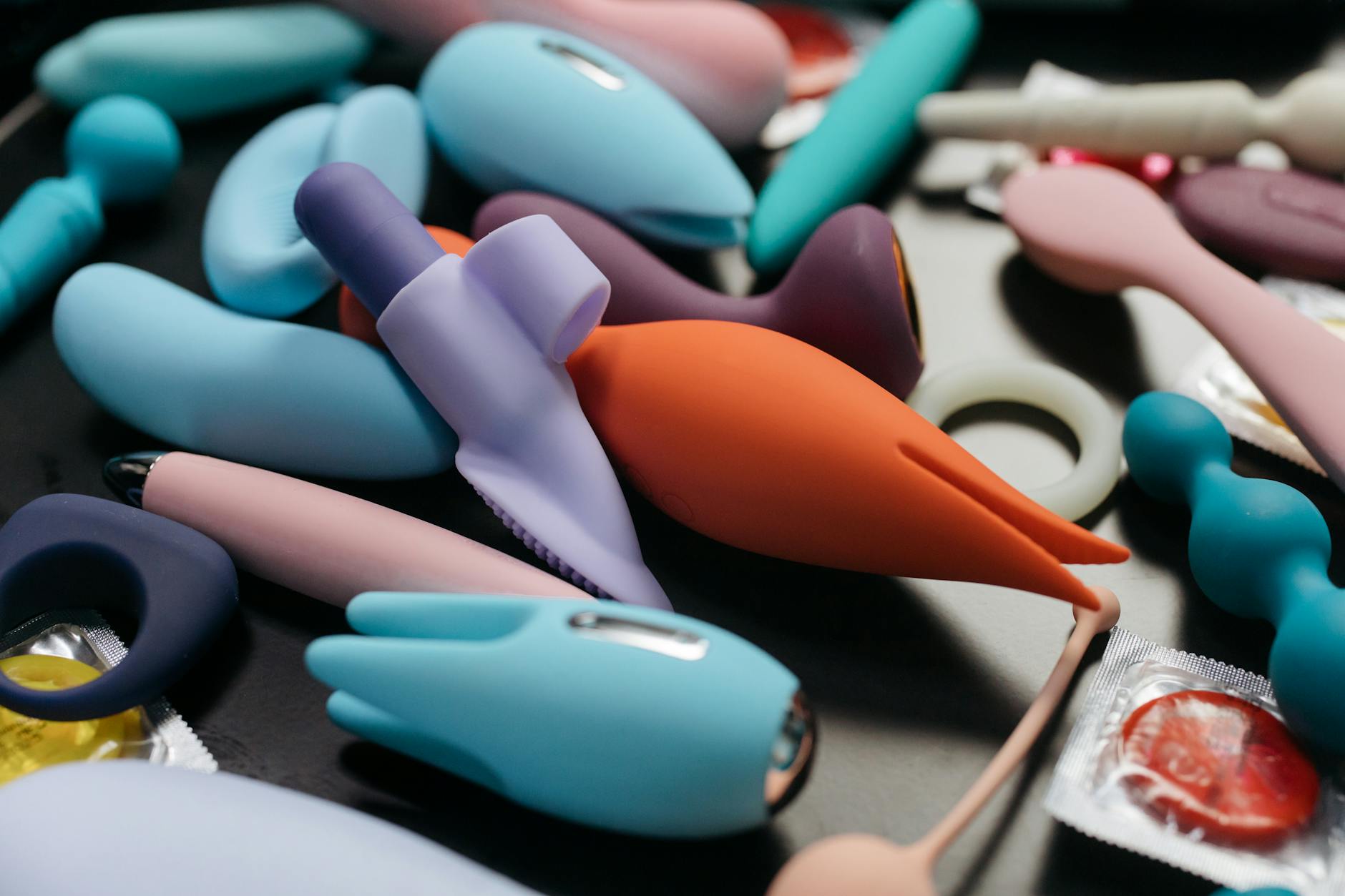
Here's what helps: you need a tool that doesn't demand simultaneous arousal. A clitoral vibrator like the Lem does that work. It takes the pressure off penetrative sex being the main event and lets you rebuild sensation, safety, and rhythm in layers.
Start with the conversation before clothes come off
I know this sounds unsexy. It's actually the opposite. Say this out loud, together: "My body remembers you, but the rhythm needs rebuilding. Let's go slow." That's the entire framework.
Then agree on what slow actually means. Slow for one person might be "we're not having anything penetrative for three days," and for another it's "we want to get there tonight but we're taking two hours to do it." The specific pace matters less than both of you saying it out loud and meaning it.
If you're bringing a lemon sexual toy into this first reunion, the conversation is half the work. "I want to use this to help us both relax into touch again" is radically different from springing it on your partner. This isn't about insufficiency. It's about giving your bodies permission to warm up in layers.
The first night back: pacing and patience
Skip the "let's jump into bed immediately" energy. Instead, rebuild touch in this order over 2-3 hours:
1. Non-sexual touch first. Hands, shoulders, back massage, hair, forearms. Let your nervous systems remember that touch from this person is safe. This takes 20-30 minutes and feels boring. It's not. It's essential.
2. Slow kissing and clothed closeness. Relearn the shape of your partner's body while dressed. This sounds counterintuitive but it dampens the performance pressure significantly. You're not trying to be aroused yet. You're just remembering.
3. Undressed touch without the goal of orgasm. Breast touch, thigh touch, outer genital touch. Still building. No one is trying to finish anything. You're both learning where you're responsive again.
4. Introduce the Lem when arousal is present but not urgent. This is the game changer. Instead of moving straight to penetration (which feels high-stakes and creates pressure), one partner uses the Lem on the other. This does several things at once: it removes the performance demand on the person being touched, it gives the other partner something clear to focus on (instead of "am I doing this right?"), and it lets arousal build without the anxiety of matching your partner's timeline.
How to actually use a lemon clitoral vibrator together
Let's say you're the person holding the Lem. Start at a low intensity setting. The goal is exploration, not orgasm.
Begin with light suction around the vulva, not directly on the clitoris. Let your partner tell you (or show you with their body) where they're most responsive. The Lem's suction design means you can work the whole region without needing the intensity of direct vibration right away. This is important for reunion bodies because it lets arousal build gradually instead of shocking the nervous system.
Your partner might come, or might not. Both are fine. The goal isn't the orgasm. The goal is "my body remembers how to respond to this person's touch, and we can be present together while that happens."
If orgasm happens, that's a bonus. If it takes 10 minutes and feels amazing, that's the whole win. If it doesn't happen and you both just feel closer, that's actually better than you think. Pleasure is the point, not orgasm specifically.
The conversation during and after matters
While you're using the Lem together, check in. "How does this feel?" "Do you want more pressure or less?" "Does this remind you of anything we used to do?" This isn't clinical. It's intimate.
After, lie together without rushing to the next thing. Talk about what you felt, what was different, what was the same. Don't force anything. If your partner wants to reciprocate that same night, great. If they want to wait, that's wisdom, not rejection.
Most couples I work with find that the second time back together feels dramatically better because the first time isn't weighted with the pressure of "we have to fix everything tonight." You're allowed to rebuild this slowly.
Why lemon vibrators specifically help with this transition
The suction design is key. When you're reconnecting, direct vibration can feel too intense on tissue that's been without touch for months. The Lem's approach lets you build sensation without overwhelming your nervous system. You can start gentle and layer intensity as your partner's arousal (and comfort with being touched again) grows.
There's also something psychologically useful about a dedicated tool for this moment. It signals to your partner that you're approaching this intentionally, not desperately. You're saying "I want us to rebuild this together, and I've thought about what will actually work." That matters more than you think.
What happens on night two and beyond
Most couples find that once they've rebuilt that initial sensual connection, the physicality restarts more naturally. You've proven to your nervous systems that touch from this person is safe again. Desire tends to follow.
If you're someone who rebuilt intimacy after emotional distance, you know that reconnection isn't instant. Long distance is a different kind of distance, but the principle is the same. You're not failing if you need multiple sessions to feel connected again. You're being realistic.
Some couples keep using the Lem together as part of their routine, especially if both partners have different arousal timelines. It's not a band-aid. It's a tool that actually works for bodies that need different amounts of warm-up time.
Common mistakes couples make on reunion night
Expecting spontaneity to work. It won't. You need intention and conversation. Spontaneity comes after you've rebuilt the habit of touch.
Trying to make up for lost time in one session. This creates performance pressure and often backfires. You have weeks and months ahead. One night doesn't have to contain everything.
Not talking about what's changed. Your partner's body might be different. Your preferences might have shifted. That conversation isn't awkward, it's necessary.
Skipping the non-sexual touch phase. I know it feels inefficient. It's the most efficient part. Your nervous system needs this reset.
FAQ
How long should we wait before having penetrative sex after long distance ends?
There's no magic number, but I generally recommend 2-3 days of other forms of intimacy first. This gives your bodies time to remember touch and your nervous systems to recalibrate. Some couples need a week. Some need a night. What matters is that both of you feel ready, not just willing.
Is it normal to not feel as much arousal on the first night back together?
Completely normal. Travel exhaustion, emotional intensity, nervousness about whether you're still compatible physically. These all suppress arousal. This is why the Lem helps. It doesn't require you to feel aroused to start. It helps build arousal.
Should I bring a lemon clitoral vibrator to the reunion, or wait to see how things go naturally?
Bring it. Having it available removes the pressure of figuring it out in the moment. If you don't need it, you don't use it. If you do, you're prepared. The worst thing is realizing mid-reconnection that you want a tool and you don't have one.
What if my partner is uncomfortable with using a vibrator together?
Then you talk about why. Often it's not about the toy itself, it's about what they think it means ("Does this mean I'm not enough?"). Frame it as a tool for rebuilding connection, not a replacement for anything. Some couples don't use toys and still reconnect beautifully. Others find toys are exactly what they need. Both are valid.
Can we use a lemon vibrator if we haven't had sex in months or longer?
Yes. Actually, this is when it's most useful. If you haven't had sex in months, your arousal pathways have essentially gone quiet. A clitoral vibrator like the Lem helps wake those pathways back up. It's not cheating. It's smart anatomy.
How do I know if my partner actually wants to reconnect physically, or if they're just going through the motions?
You ask. Not in a vulnerable, needy way. In a curious way. "How are you feeling about being back together physically? What do you need?" Their answer will tell you everything. If they're going through the motions, you'll hear it. If they're genuinely uncertain, you'll hear that too. Once you know what you're actually working with, the path forward is much clearer.
The bottom line
Reunion after long distance isn't supposed to feel effortless. You've been apart. Your bodies need to relearn each other. That's not a problem to solve in one night. It's a process to enjoy over the first few weeks back together.
A lemon vibrator, used thoughtfully and talked about beforehand, makes that process feel less pressured and more pleasurable. You're not fixing anything. You're rebuilding something that matters. That rebuild deserves intention, patience, and tools that actually work.
Want to talk through what reconnection looks like for your specific situation? Reach out to us. We're here to help couples navigate this transition.