Let's talk about what actually happens
Pain during or around penetration stops pleasure cold. And here's what nobody tells you: it's incredibly common, and it's not a sign that something's wrong with you. Your body is doing exactly what it's supposed to do. When there's friction, tension, or pressure where you don't want it, your nervous system locks down. That's not dysfunction. That's protection.
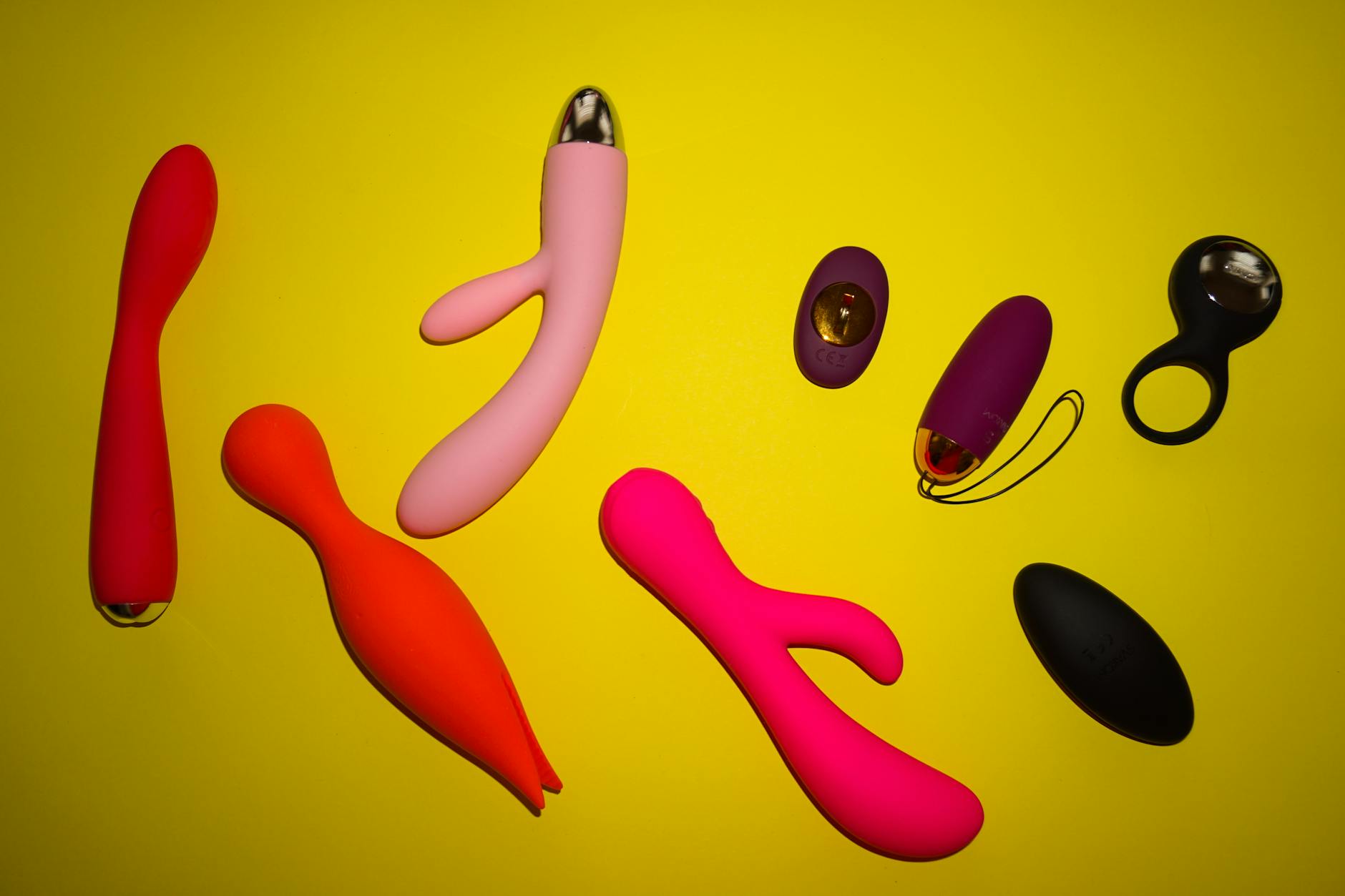
The good news is that clitoral pleasure works completely independently from penetration. You don't need penetration to have orgasms. You don't need it to feel deeply satisfied. And if penetration is currently off the table, a lemon clitoral vibrator like the Lem can become your main event instead of the warm-up act.
Why clitoral stimulation bypasses penetration pain
The clitoris has about 8,000 nerve endings concentrated in a small area. Penetration, by contrast, stimulates the vaginal walls and deeper structures. These are two different neural pathways. When one feels uncomfortable, the other can still feel incredible.
A lemon vibrator gives you suction and gentle vibration on the external clitoris without any internal pressure. No pushing, no friction, no depth play. Just focused stimulation exactly where you want it. This matters because it lets your body relax. When you're not bracing for pain, arousal can actually build.
Most people discover this by accident. They skip penetration one night because something hurts, reach for a Lem Vibrator, and have one of the most satisfying orgasms of their lives. Then comes the realization: "Oh. I've been forcing myself through discomfort for years when this option existed."
Where penetration pain actually comes from
There are several common culprits, and knowing which one applies to you changes how you approach pleasure.
Vaginismus: involuntary muscle tension that makes penetration feel tight or impossible. Your pelvic floor is essentially clenching. This usually stems from anticipatory anxiety, past pain, or trauma. The tension is real, but it's also reversible.
Vulvodynia: chronic pain in the vulva that can feel burning, sharp, or raw. It's not always visible, and it's often dismissed by providers. If you have this, internal pressure usually makes it worse, while external clitoral work often feels manageable or even soothing.
Endometriosis or fibroids: these can make deep penetration acutely painful, especially during certain parts of your cycle. Again, surface-level clitoral stimulation sidesteps the problem entirely.
Post-surgery sensitivity: after gynecological procedures, childbirth, or pelvic floor therapy, scar tissue or inflammation can make penetration feel raw. A vibrator that focuses on the clitoris lets you rebuild arousal while that tissue heals.
Hormonal shifts: low estrogen can thin vaginal tissue and reduce lubrication, making friction uncomfortable. This is super common after menopause, while breastfeeding, or on certain medications. Clitoral play is gentler on delicate tissue than penetration.
Setting yourself up for success
Honestly, half the battle is giving yourself permission to do this differently. If you've spent years in a pattern where "real" sex means penetration, pivoting to clitoral pleasure can feel strange or incomplete at first. It's not. It's just different. And different can be better.
Start solo first. This takes partner negotiation off the table. You can explore what the Lem feels like, what patterns you like, what intensity suits you. There's zero performance pressure. You're just learning your own body.
Build arousal before turning the vibrator on. Touch yourself, think about what turns you on, watch something that appeals to you. You want blood flow to the clitoris before the suction kicks in. This makes the whole thing feel sharper and more pleasurable.
Use lubrication even though it's external. This is counterintuitive for a lot of people because the clitoris doesn't need lubricant the way penetration does. But a bit of water-based lube helps the Lem's seal work better and reduces friction if your skin is sensitive. Plus it just feels nicer.
Start with the lowest intensity setting. The Lem has multiple settings. Beginners often jump straight to medium or high because they're nervous and want immediate results. Begin at the gentlest setting. You can always increase. You can't un-ring a bell if you've overwhelmed yourself.
The pattern that works for penetration-averse bodies
If you're with a partner, here's a framework that sidesteps pressure while still including them.
Start with external clitoral play. The Lem is perfect for this. You might orgasm, or you might get to a place of deep arousal where everything feels open. Either outcome is the goal.
After that climax or plateau, your nervous system is way more relaxed. Muscles aren't bracing. Your pain threshold is higher. That's when, if you want penetration, it feels completely different. Easier. Less defensive. You're not walking into it tensed up.
But here's the crucial part: penetration is optional in this sequence. If you hit that state of deep pleasure and you want to stay there, stay there. Your partner can continue with the vibrator, switch to their hands, or just be present while you get off. All of those are complete sexual experiences.
When to involve a partner
Once you're comfortable solo, adding a partner is a conversation starter. Not because you're broken and need help, but because pleasure is often better shared.
The key is separating two things. One: your pain is real and it matters. Two: it's not about your partner or your relationship. People sometimes fuse these ("I can't do penetration, so they must be disappointed, so our sex life is ruined"). Untrue on all counts.
What helps: "I want to explore what feels good for my body right now. That might not include penetration, and that's okay. I'd love you to be part of this with me." You're not apologizing. You're describing a boundary and offering an invitation.
Most partners respond well when you frame it as exploration, not rejection. Using the Lem together can feel playful and intimate. You're not losing something. You're discovering something new.
When to see someone
If penetration has always been painful, or if pain started suddenly, a gynecologist who's trained in pelvic pain is worth your time. Some pain is easily treated. Infections, hormone levels, scar tissue, pelvic floor dysfunction. Most of these have straightforward solutions.
Similarly, if anxiety or trauma is connected to the pain, a sex therapist or trauma-informed therapist can help you separate what's physical from what's psychological. These often intertwine, and untangling them matters.
In the meantime, you have permission to have pleasure that doesn't include penetration. The Lem is designed exactly for this. Clitoral vibrators are not a consolation prize when penetration doesn't work. They're the main event.
The plot twist
Here's what I see happen over and over. Someone starts using a lemon clitoral vibrator because penetration hurts. Months later, when the pain has resolved or shifted, they still prefer the vibrator. Not because penetration is off the table. Because clitoral pleasure is just more direct and satisfying for their body.
That's the real story. Penetration isn't the gold standard. It's one option. And when it's not working for you, you've got another that might work better.
People also ask
Is clitoral pain the same as penetration pain? Not quite. Clitoral pain is sensitivity or soreness in the clitoris itself, while penetration pain is usually deeper inside. Clitoral vibrators can actually help some forms of clitoral pain by improving blood flow and desensitizing through gradual stimulation. But if the clitoris itself is acutely painful, start gently or see a provider. A lemon vibrator can work wonders, but not if the tissue is actively inflamed.
Can I use the Lem if I have vaginismus? Absolutely. Vaginismus is tension, not an absolute barrier to pleasure. Because the Lem works externally on the clitoris, it completely bypasses the tensed muscles inside. Many people with vaginismus find that clitoral orgasms help retrain the pelvic floor by showing it that pleasure and relaxation go together. Over time, this can actually reduce the involuntary clenching.
Will using a vibrator instead of penetration damage my relationship? No. What damages relationships is pressure and resentment. What helps them is honesty and exploration. If you and your partner can talk about this, you're already ahead. Using a lemon clitoral vibrator is just a different flavor of intimacy, not a substitute for your partner. Many couples find it brings them closer because they're working together on what feels good.
How long does it take to feel comfortable with clitoral-only pleasure? It varies widely. Some people feel great after one session. Others need a few weeks to shift their mindset from "this isn't real sex" to "this is a complete experience." Be patient with yourself. Pleasure isn't a race.
What if I still want penetration eventually? Great. Rebuilding comfort with penetration after pain is slower than jumping back in. Use the Lem first. Get fully aroused and relaxed. Then, if you want, try gentle penetration with lots of lubrication and communication. Many people find that starting with something smaller than a partner's body helps. And you can always stop and go back to the vibrator. This isn't an either-or situation.
Does the Lem work for all types of penetration pain? It works best when penetration pain is the main barrier and you want pleasure that feels safe. If your pain is severe or you suspect an infection, get evaluated first. But for tension-related pain, hormonal pain, or post-healing sensitivity, a lemon clitoral vibrator is often the gentlest, most direct path to pleasure without pressure.
If you're ready to explore what clitoral pleasure can feel like without the friction of penetration, start with low expectations and high self-compassion. Your body knows what it needs. A lemon vibrator just makes listening easier.