Let's be real about what depression does to desire
Depression doesn't just affect your mood. It flatlines your libido, numbs physical sensation, and creates a weird disconnection between you and your body. You might find yourself going months without even thinking about pleasure, and that feels normal while you're in it. Then one day the fog lifts, and you realize you haven't felt desire in so long that you're almost afraid to try.
That fear is completely legitimate. Coming back to pleasure after depression isn't just about physical sensation returning. It's about rebuilding trust with your body.
Why desire disappears and how it comes back
Depression messes with dopamine and serotonin, the neurochemicals that fuel both mood and arousal. When your brain is in survival mode, pleasure pathways essentially go dormant. Your body doesn't lose the capacity for arousal, but the signal gets too weak to notice.
When depression lifts, usually because treatment is working or circumstances shift, that dopamine starts moving again. Desire doesn't always roar back. Sometimes it creeps in slowly. You might notice a flutter of physical interest, a random moment of wanting to feel good in your body, a dream that leaves you curious. That's the system rebooting.
Here's what matters: you're not broken, and your body didn't forget. You're waking up.
The psychological piece nobody tells you
Your brain has spent months prioritizing survival over sensation. It learned that pleasure was irrelevant, maybe even selfish. Coming back to desire can trigger guilt, especially if you're in a relationship and your partner has been waiting, or if you feel like you "should" be further along in recovery.
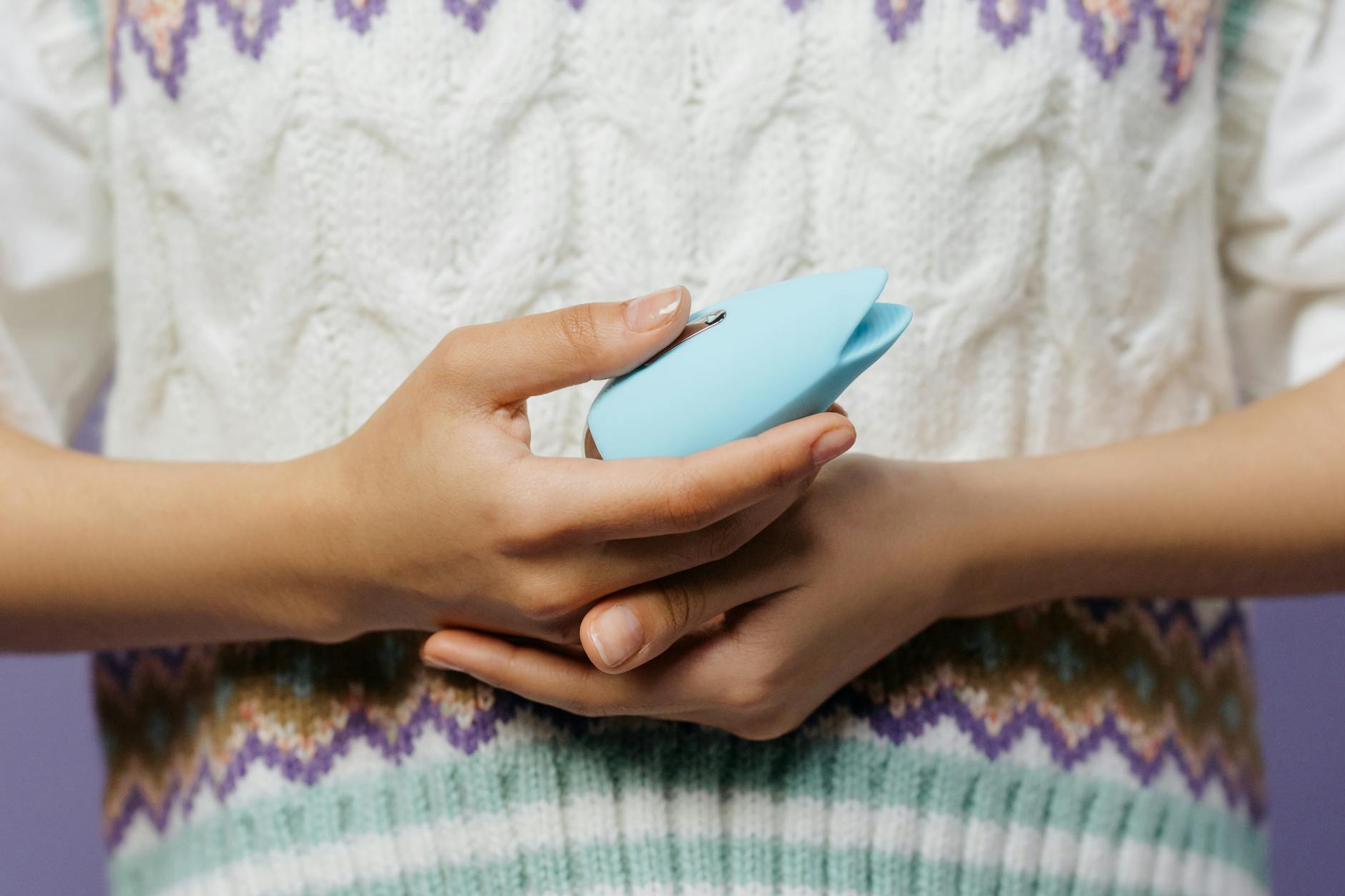
Throw that out. Pleasure is part of being alive and healthy. Using a tool like a clitoral vibrator isn't indulgent during recovery. It's reconnection work. It's your nervous system learning that safety and good feeling can coexist.
Start with solo exploration, not performance
If you're in a relationship, the pressure to perform or match your partner's desire can actually stall your own recovery. The first time you use a lemon vibrator after depression, do it alone. No audience, no timeline, no expectation of reaching orgasm.
Solo exploration lets you move at your own pace. You can pause whenever you want. You can discover what actually feels good to you right now, not what you remember feeling good before depression. Depression changes your body's sensitivity. What worked before might feel too intense, or weirdly muted, and that's not a problem. It's information.
How to physically ease back in
Start at the lowest intensity setting on a lemon clitoral vibrator. If you're using a Lem Vibrator model, begin on pattern 1. The goal isn't to chase an orgasm. The goal is to feel something and remember that pleasure is possible.
Spend the first few sessions just noticing. Hold the vibrator near your clitoris without turning it on. Notice what it feels like to give yourself permission to want something. Turn it on. See what intensity you're drawn to. Don't rush. Five to ten minutes is plenty.
Most people find that after depression, sensation returns gradually. That light numbness might persist for a bit. You're retraining neural pathways, not just stimulating tissue.
What you might feel (and what's normal)
You might cry. That's grief and relief at the same time, and it's actually a good sign that your body is waking up emotionally too.
You might feel nothing at first, then suddenly feel everything, then nothing again. Healing isn't linear. One session might feel amazing and the next feels flat. That's your nervous system recalibrating.
You might feel overwhelmed by sensation after months of numbness. If that happens, slow down. Lower the intensity. Stop and come back tomorrow. Your body needs permission to ease into pleasure, not dive in.
Some people report that their first orgasm after depression is weirdly emotional or underwhelming compared to what they remember. That's because your brain chemistry is still stabilizing. Give it time.
When you're ready to involve a partner
If you have someone, the conversation doesn't start with the vibrator. It starts with honesty. "I'm starting to feel desire again, and I want to explore that with you, but on my timeline. I might need to go slower than we used to."
Most caring partners will respond well to this. If yours doesn't, that's useful information about the relationship dynamic, and might be worth exploring separately.
When you do involve a partner, focus on them learning what turns you on now, not assuming it's what turned you on before. You might actually discover you like different things, different rhythms, different kinds of touch. Depression and recovery rewire you sometimes. Let that happen.
The difference between numbness and just needing more time
There's a tricky line between "my body is still recovering" and "something's still neurologically off." Most people feel sensation returning within a few weeks to a few months of consistent, gentle exploration. You notice little sparks of interest increasing in frequency.
If after three months of solo exploration with a lemon vibrator you're still feeling completely numb, or if your antidepressant is actively causing sexual side effects, that's a conversation for your prescriber. Some medications blunt libido as a trade-off for mood stability. Sometimes switching meds helps. Sometimes adding an extra tool helps more.
There's no shame in that. You're not supposed to choose between mental health and sexual health. You should have both.
Why a lemon clitoral vibrator specifically
Clitoral vibrators work well for people returning to pleasure because they're direct and adjustable. You're not guessing whether you're hitting the right spot. The suction pattern of a lem vibrator engages nerve endings without requiring much direct pressure, which is helpful if your sensitivity is still rebuilding. You control the pace, the intensity, the start, and the stop. That control matters when you've spent months with your body feeling out of your control.
Take the pressure off orgasm. The entire point of early exploration is just remembering what pleasure feels like. If orgasm happens, great. If it doesn't, you still succeeded.
The patience part (which is the hard part)
Your body knew how to feel pleasure before depression. It will learn again. But it's not going to be a light switch. It's going to be gradual, inconsistent, sometimes weirdly emotional, and absolutely worth the time.
You deserve to feel good. Not in three months, not when you're "further along." Now, at whatever pace your body needs. Solo, patient, curious exploration with a lemon vibrator is how you rebuild that.
FAQ
Is it normal to feel nothing the first time I use a clitoral vibrator after depression?
Completely. Depression dampens all sensation, and it doesn't all come back overnight. If you feel nothing the first few times, try different patterns, different pressures, different parts of the day when your energy is highest. Some people find sensation starts returning more when they're not specifically trying to feel it. Give yourself five to ten sessions before you worry that something's wrong.
Will my orgasms feel the same as they did before depression?
Maybe not at first, and that's okay. Your brain chemistry is still rebalancing. Some people report that orgasms feel softer, less intense, or more concentrated after depression. That can shift back to your baseline as you stabilize, or you might discover you actually prefer how they feel now. There's no "correct" way for an orgasm to feel.
Should I tell my partner I'm using a lemon vibrator to rebuild desire?
It depends on your relationship and your comfort. If you're in a committed partnership, honesty usually serves you better. A simple "I'm working on reconnecting with my body" is enough context. If you want to use it together later, you can cross that bridge when it feels right. If you want to keep it solo, that's valid too.
What if I feel guilty about wanting pleasure while I'm still recovering from depression?
Gilt is a common side effect of depression itself. Pleasure isn't selfish. Rebuilding your connection to physical sensation is part of healing. You're not supposed to choose between mental health and the ability to feel good in your body. They're connected. Honor both.
Can I use a lemon clitoral vibrator if I'm still on antidepressants?
Yes. Some antidepressants blunt sexual response as a side effect, but many people still experience pleasure and orgasm while medicated. If your medication is making sensation harder, a clitoral vibrator with adjustable intensity can sometimes help bypass that numbness. If it doesn't, talk to your prescriber. There are solutions.
How do I know if I should talk to my therapist about this?
If pleasure still isn't returning after consistent exploration, or if returning desire is triggering trauma responses, or if you're struggling with guilt or shame about wanting pleasure, yeah, mention it. A good therapist helps you reconnect with your body as part of recovery, not separate from it.
Coming back is not the same as going back
You're not recovering the person you were before depression. You're building the person you're becoming. That might mean your desire looks different, your preferences shift, your pace changes. A lemon vibrator is just a tool for listening to what your body wants now, not forcing it back into an old shape.
Your pleasure matters. Take the time you need. The body doesn't rush healing, and neither should you.
If you're still struggling with reconnection after exploring solo, reach out to a therapist or your doctor, or start with our FAQ on sexual health after antidepressants for more grounded context.