Let's start with the asymmetry
Trauma doesn't heal on a predictable schedule. One partner might feel ready to reclaim physical intimacy months before the other, or vice versa. This mismatch is not a sign that something's wrong. It's the most common thing that happens after a trauma that affects your relationship.
Here's what makes it complicated. The partner who's ready to reconnect might feel rejected, frustrated, or like they're waiting forever. The partner who's still healing might feel pressured, guilty, or broken. Neither feeling is wrong. Both are real. And both can live in the same relationship at the same time.
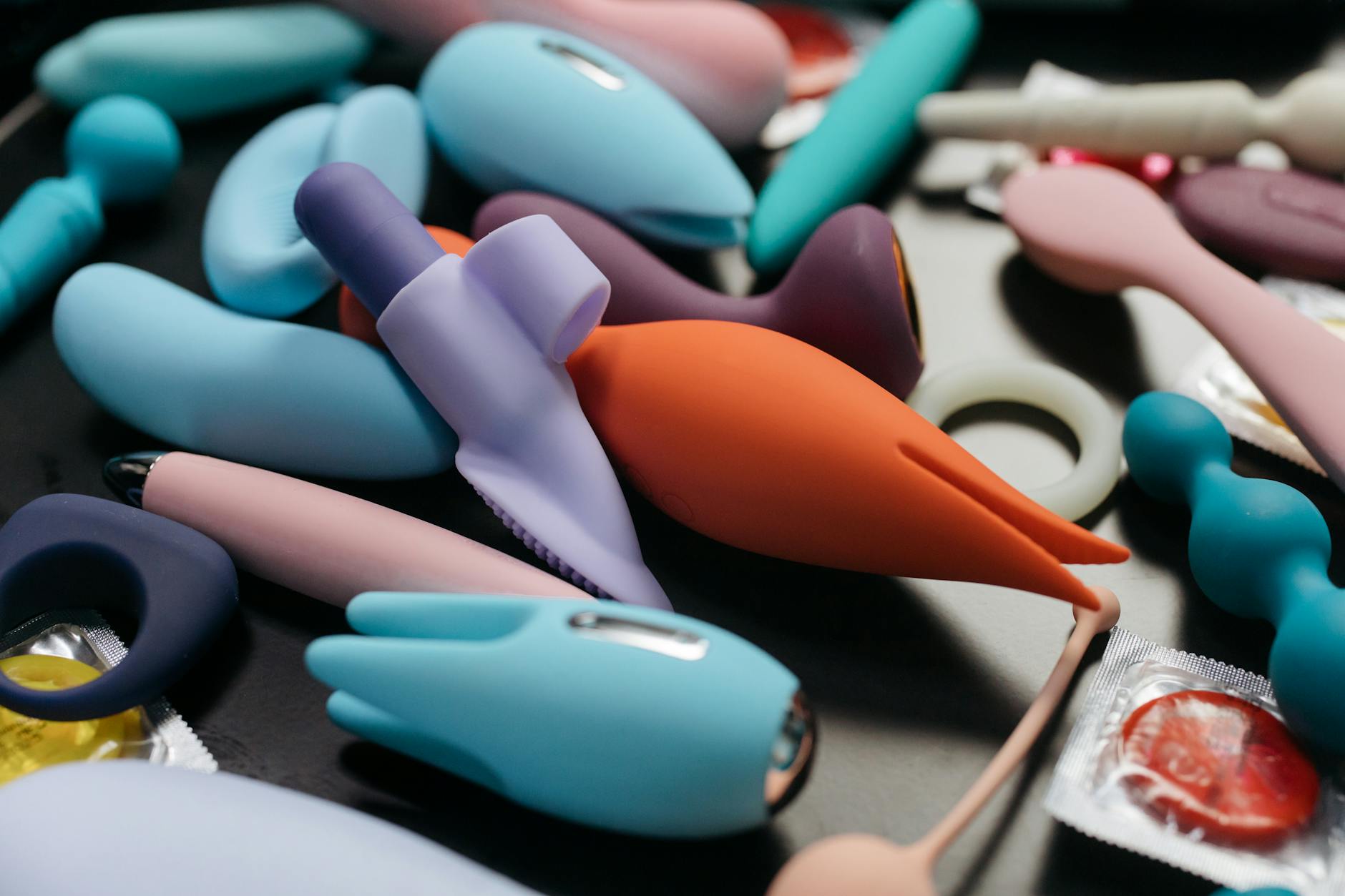
A lemon clitoral vibrator, when used intentionally within this dynamic, isn't about forcing anything. It's about creating a space where both of you can feel agency, pleasure, and safety on your own timeline.
Understanding the timeline mismatch
Trauma rewires the nervous system. It's not metaphorical. After sexual trauma, abandonment trauma, or relationship betrayal, the brain learns to treat your body or intimacy as a threat. Recovery means relearning safety. And that relearning doesn't sync up between two people.
One partner might be intellectually ready to have sex again but physically unable to tolerate touch. The other might be desperate to reconnect but triggered by their own body's responses. You're not broken. You're both just on different timelines.
The research on couples recovering from trauma shows that the couples who move forward most successfully are the ones who stop trying to synchronize. Instead, they build individual practices first. That's where a tool like a lemon vibrator comes in.
Building individual reconnection first
Before you use a clitoral vibrator together, each partner needs solo practice. This isn't rejection. This is foundation.
For the partner who's ready but waiting. Use the vibrator alone, without performance pressure. Notice what feels good. Notice what triggers you. If touch makes you anxious, work with gentler patterns first. A lemon vibrator has air-suction technology that feels different from traditional vibration. Many couples find it less triggering because it's less mechanical.
For the partner who's still healing. Solo exploration is permission to heal at your pace. You're not on your partner's timeline. You're on yours. If you're not ready to use the vibrator yet, that's valid. If you want to use it alone just to reclaim some sense of pleasure in your own body, that's also valid. There's no "should" here.
The goal of this phase is simple. You're both learning your own bodies again. You're teaching your nervous systems that touch can be safe. This takes weeks or months. Not days.
When one partner is ready and one isn't
This is the friction point. How do you have a sexual relationship when you're on different timelines?
First, stop trying to have "normal" sex. Normal doesn't exist in recovery. You're building something new.
Second, separate pleasure from obligation. The partner who's not ready doesn't owe sex. The partner who is ready doesn't owe deprivation. Those aren't the only two options.
Here are three practices that work.
Parallel pleasure. You're in the same room, but doing your own thing. One partner uses a lemon vibrator solo. The other is there, resting, reading, or just being present without participating. No pressure to perform. No pressure to watch. It's intimacy without expectation. For many couples, this is where sexual reconnection begins. Not with sex. With permission.
The partner who's healing holds the vibrator for the one who's ready. This flips the script. The partner who isn't ready yet isn't passive. They're active. They're choosing to participate in a way that doesn't require them to receive or be vulnerable. This rebuilds trust. It gives agency back. And sometimes, just sometimes, the partner who wasn't sure discovers they actually wanted this.
Scheduled check-ins instead of spontaneous sex. Trauma lives in uncertainty. Knowing that intimacy will happen at a specific time on a specific day takes away the hypervigilance. Your nervous system relaxes. When the time comes, the partner who's healing has had days to mentally prepare. The partner who's ready hasn't been rejected seventeen times in the interim. This simple structure changes everything.
The lemon vibrator in cross-timeline recovery
A lemon clitoral vibrator specifically helps in this situation because it's less intimidating than traditional vibrators. The suction sensation is different. It's gentler than thrusting vibration. It requires less pressure. For partners recovering from trauma, especially sexual trauma, this difference matters.
Here's how to use it together when timelines are mismatched.
Start with the partner who's ready. They explore the vibrator alone first. They find their favorite patterns. Intensity 2 or 3 is usually a good starting point. They learn what brings pleasure without noise, without mess, without anything complicated.
Then, when both partners are ready to try something together, it's not about performance. The partner who's healing doesn't need to orgasm. Doesn't need to feel anything in particular. They just need to be present and safe.
Use the vibrator on the partner who's ready. Keep it slow. Keep communication open. The healing partner can touch, kiss, or just hold their partner. There's no script. The goal is to practice being sexual together without either person abandoning themselves.
Many couples find that the partner who was anxious about pressure eventually, over weeks or months, becomes curious. Not because they were pushed. Because they felt safe. Because watching their partner experience pleasure in a low-pressure context made intimacy feel less scary. That's not guaranteed. But it's common.
Navigating guilt and frustration
One partner will feel guilty. The other will feel frustrated. Say it out loud.
The partner who's not ready: "I feel guilty that you're waiting. I wish I was further along." This is a statement, not an apology. You don't owe anyone faster healing.
The partner who is ready: "I feel frustrated sometimes. I also understand you're doing your best." This is honest without weaponizing.
Once it's named, it loses some power. You're not pretending everything's fine. You're also not drowning in resentment.
A lemon vibrator isn't going to fix frustration. But it can be a tool that says "we're moving forward together, just at a pace that honors both of us." That's different from staying frozen. It's also different from forcing it.
When professional help is necessary
If the mismatch is creating constant conflict, or if one partner feels permanently rejected, a trauma-informed therapist should be involved. This isn't failure. It's wisdom.
Sex after trauma needs more than a vibrator. It needs safety. It needs communication skills. It needs sometimes a professional who understands the nervous system, attachment, and what trust actually requires.
A lemon vibrator is a tool. It's not a substitute for therapy. Use both.
People also ask
How long does it typically take for couples to get back to intimacy after trauma?
There's no timeline. Some couples reconnect sexually within months. Others take years. Research on trauma recovery shows that pressure to "get back to normal" actually extends recovery. The couples who move forward fastest are the ones who stopped trying to synchronize and started building safety first. If you're asking this question, you're probably comparing yourselves to others. Stop. Your timeline is the right one.
Can using a lemon clitoral vibrator together trigger trauma responses?
Yes. It can. That's why solo exploration comes first. That's why communication matters. And that's why you move slowly. If a vibrator triggers your partner, that information is useful. It tells you something about where the nervous system still needs healing. It doesn't mean you failed. It means you're learning what safety actually requires for your particular bodies and history.
What if one partner wants to use toys and the other doesn't?
That's the same as any sexual difference. You negotiate. You compromise. You find what works for both of you. A lemon vibrator isn't mandatory. Some couples use them. Some don't. Some use them sometimes. The point is that you're making the choice together, not because someone's pressuring the other. If toys are important to one partner, couples therapy can help you find a middle ground.
Is it normal to have orgasms at different speeds after trauma?
Completely normal. Trauma can make orgasm harder, easier, different, or require completely different stimulation than before. Your partner's orgasm has nothing to do with your arousal or readiness. Stop linking them. You can both feel pleasure without it looking the same or happening at the same time.
How do we talk about mismatched desire without creating shame?
Framing is everything. Instead of "you're not ready," try "I'm noticing I'm further along than I thought, and I want to honor where you are." Instead of "I hate waiting," try "I'm frustrated, and I want to figure out how we move forward together." Replace blame with observation. Replace pressure with curiosity. Replace timelines with presence. Your partner isn't broken. Neither are you. You're just on different pages of the same book.
Should we tell our therapist we're using a lemon vibrator?
Yes. A good trauma-informed therapist will ask what you're doing to rebuild intimacy. They're not there to judge. They're there to help you do it safely. If your therapist reacts negatively to a vibrator, you might need a different therapist. Full stop.
Moving forward together
Trauma after affects everything. It affects your nervous system, your trust, your body, your ability to feel pleasure. Healing is not linear. It's not fast. And it's definitely not something you can force.
A lemon clitoral vibrator won't fix mismatched timelines. But it can be part of how you rebuild intimacy in a way that honors both of you. It can be a symbol that you're moving forward, just not on someone else's clock.
The couples I work with who thrive after trauma are the ones who stop trying to get back to where they were. They build something new. Something that acknowledges what happened. Something that respects how it changed both of them. Something that moves at a pace that feels safe.
That's not settling. That's wisdom. And honestly? It's usually better than what came before.