The sensitivity mismatch is more common than you think
Let's be real. One of you feels everything. A whisper of touch sends a signal, and suddenly your partner is already halfway there. The other one? Needs genuine pressure, rhythm, intensity. A feather touch feels like nothing. You're not broken. You're not mismatched in the way that matters. You just have different wiring.
This is one of the most common friction points couples bring into therapy, and it's also one of the easiest to solve if you approach it right. Picking the right lemon vibrator when partners have wildly different sensitivity levels isn't about compromise. It's about understanding what each nervous system actually needs.
Why sensitivity differences happen in the first place
Sensitivity isn't about how much you want sex or how attracted you are to your partner. It's neurology. Nerve density varies. Hormones affect it. Medications, stress, age, even the time of your cycle if you menstruate. Some people have more densely packed nerve endings in the clitoral tissue. Others have nerves that are more widely spaced. That's not fixable. It's just how the body is wired.
The problem couples run into is that they try to use the same device with the same settings, and one person ends up frustrated or uncomfortable while the other feels nothing. Then both start doubting the device. Then someone gets resentful. The vibrator becomes a symbol of the mismatch instead of a solution.
When you acknowledge upfront that you'll probably need different tools or different settings, you remove the shame. You're not saying "you're too sensitive" or "you're numb." You're saying "we have different nervous systems, so let's use what actually works."
The intensity spectrum and what each person needs
Lemon vibrators and other clitoral vibrators come with a range of intensity settings. Settings 1 to 3 are soft and subtle. Settings 4 to 6 are moderate. Settings 7 to 10 are high intensity and deep stimulation.
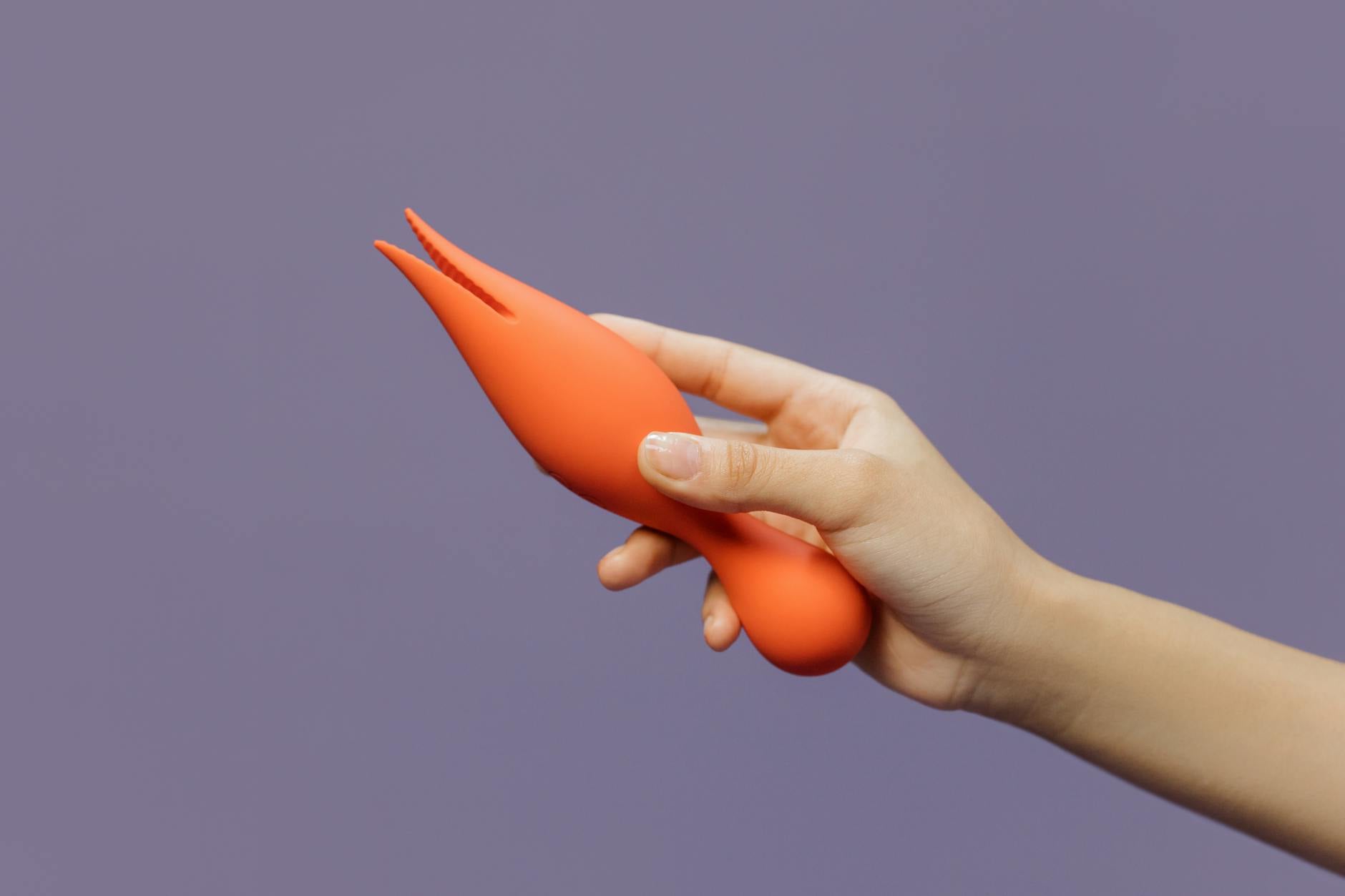
Here's the thing: you're not buying two separate toys. You're buying one vibrator with a range broad enough that both of you can find your sweet spot. The Lemon Clitoral Vibrator, for instance, has a full spectrum of intensity levels. The person who gets overwhelmed can stay in the lower patterns. The person who needs sustained pressure can move into the deeper settings.
But "choosing" a vibrator when partners have different sensitivity also means talking about what "intensity" actually means. Is the sensitive partner overwhelmed by fast oscillations? Do they need gentler pressure but maybe faster rhythm? Is the less sensitive partner looking for sustained, powerful suction? For broader pressure? The shape and style of the device matter as much as the settings.
The shape conversation: suction versus direct stimulation
Direct vibration devices buzz right against the clitoral tissue. Fast oscillation. Very direct stimulation. If you're someone who feels a lot, this can feel overwhelming or even uncomfortable.
Suction-style clitoral vibrators like the Lemon work differently. They pull gently on the tissue while delivering stimulation. It's less direct. More diffused. The sensitive partner usually finds this less intense overall, even at higher settings. The less sensitive partner finds it incredibly effective because it stimulates from multiple angles at once.
This is why when partners have different sensitivity levels, a lemon sucker or clitoral suction device often becomes the answer. It's not a compromise. It's a different approach entirely that happens to work better for both bodies.
If you've never used one before, start at setting 1 and let it build from there. The sensitive partner won't feel ambushed. The less sensitive partner will feel the broader engagement they need.
When you're shopping: questions to ask before you buy
Sit down together, away from the bedroom, and answer these before you order anything.
What does "too intense" actually feel like? Is it the speed of the vibration? The pressure? The direct contact? This matters because some vibrators come with different head shapes. A broader head diffuses intensity. A pointed head concentrates it.
What settings are each of you actually using right now? If one partner has a toy and is living at settings 1-2 while the other is at 8-9, that's not a sensitivity problem. That's a device mismatch. You need range.
Do you want to use it together, or are you planning solo plus partnered sessions? This changes which device makes sense. If you're using it together during partnered sex, a quieter device matters. If it's mainly solo, noise and size are less relevant.
Is one partner nervous about intensity because they've had a bad experience? Sometimes people think they're "not sensitive enough" when really they just need more warm-up time. Don't buy the most intense device on the market if trust and comfort are still building.
The practical approach: buying and testing
Start with a device that has a genuinely wide range of settings and uses a different stimulation method than what you already own. If you've been using a standard bullet vibrator, a suction-style device will feel completely different to both of you.
When it arrives, test it separately first. The sensitive partner uses it solo at settings 1-3 and notes what actually feels good. The less sensitive partner tries 5-7. Come back together and compare notes. Don't use it together until you've both found where the device works for your body.
Then, in a partnered session, start at a setting that's comfortable for the more sensitive person. Let them control the device initially. Once they're settled, keep it there while you add other forms of touch. The less sensitive partner often finds that when they're not thinking about the device, when they're focused on the other person, the stimulation feels more intense. Presence matters as much as pressure.
What happens when one partner gets uncomfortable
This is important. If the sensitive partner says "that's too much," your job is not to convince them they're wrong. It's to move down immediately. No testing. No "just one more minute." The nervous system is the nervous system. Pushing past genuine discomfort teaches the body to brace and defend, which makes everything harder.
Instead, move the setting down and try again. Or switch the method entirely. If suction feels good at low settings but direct vibration doesn't, that's your answer. Some people never like direct vibration no matter the intensity. That's fine.
For the less sensitive partner, patience in the beginning pays off. The body learns. Sensitivity can increase with time as nerve pathways develop and the body learns to recognize and interpret sensation. This is especially true if anxiety or stress has been numbing sensation. But it takes consistency and low-pressure practice. Don't rush it.
The conversation with your partner matters more than the device
Honestly, the vibrator is almost beside the point. The real work is saying out loud: "We feel things differently, and that's okay. We're going to find tools that work for both of us. Your sensitivity is not a problem. My need for more intensity is not a problem either. We're just different."
That conversation removes the hidden resentment. Because couples don't usually fight about sensitivity differences directly. They fight about what those differences mean. "You're too sensitive" becomes "you don't want me enough." "You need too much" becomes "I'm not enough for you." It's never actually about the vibrator.
When you separate the nervous system from the relationship narrative, everything shifts. You're not arguing about your bodies. You're solving a puzzle together.
Lemon vibrators work so well for couples with different sensitivity because they bridge that gap. The range is there. The technology is there. But more than anything, choosing one together is an act of saying "we're going to figure this out."
FAQ: Common questions about sensitivity and vibrators
Can sensitivity change over time with the same partner?
Absolutely. Hormones shift. Stress levels change. Your body's relationship to sensation evolves. The sensitive partner might need less intensity as they get more comfortable. The less sensitive partner might find that over time, gentler stimulation becomes more satisfying as they learn to focus and relax. You're not locked into your baseline.
What if my partner is embarrassed about needing lower or higher intensity?
That's worth addressing directly, and probably in a conversation that doesn't happen during sex. Shame makes the nervous system defensive, which actually reduces sensation further. If your partner is embarrassed about being "too sensitive" or "not sensitive enough," reassure them. Their nervous system is working exactly how it should. Different isn't broken.
Is there a lemon vibrator that's better for partners with very different sensitivity?
The Lemon Clitoral Vibrator is designed with a wide spectrum of patterns and intensity levels, which means both partners can usually find something that works. The suction mechanism also naturally distributes intensity differently than direct vibration, so it often appeals to people across the sensitivity spectrum. Start there if you're shopping.
Does lubricant help even out sensitivity differences?
Lubricant affects how the device feels, but it doesn't change your nervous system's baseline sensitivity. That said, the right lube can make lower intensity feel more pleasant and higher intensity feel less harsh, so yes, it absolutely helps. Use water-based lube with silicone toys for the smoothest, most comfortable sensation.
What if we've tried devices and nothing works for both of us?
Then the issue probably isn't the vibrator. It's trust, comfort, or how you're approaching the experience. Low-key solo exploration first, high communication, plenty of warm-up time, and zero pressure to perform usually helps way more than buying another toy. If you're still stuck, a sex therapist can help you untangle what's actually blocking pleasure.
Can sensitivity differences affect orgasm frequency or intensity?
Yes and no. Someone who is sensitive might orgasm more easily but with less intense sensations. Someone less sensitive might take longer to reach orgasm but experience deeper, more full-body responses when they do. Neither is better. They're just different. The key is knowing your own baseline so you're not chasing the wrong goal.
The bottom line
Your sensitivity differences are not a design flaw in your relationship. They're just information. Once you accept that you're shopping for a tool that works for two different bodies, the whole thing becomes easier. Pick a device with a real range. Test separately. Talk about what actually feels good. Then use it together without judgment.
When both partners feel like their nervous systems are understood and respected, something shifts. Pleasure doesn't have to be synchronized to be connected. You just need the right tools and honest conversation. That's always been the real intimacy anyway.