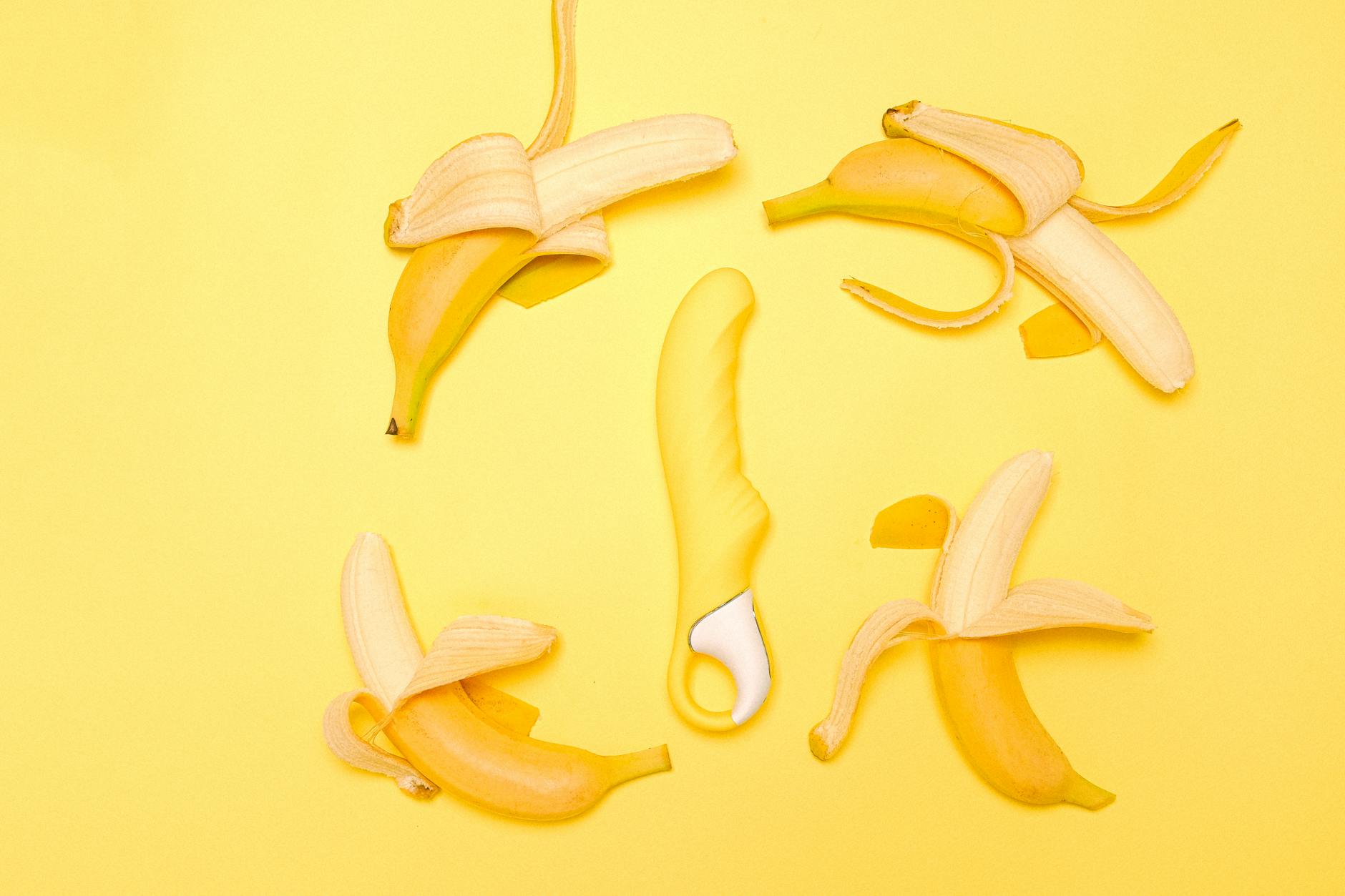
Here's what nobody tells you about sensory sensitivity and pleasure
If you're easily overwhelmed by sensation, you've probably heard one of two unhelpful things: "just relax" or "vibrators aren't for you." Both are wrong. The truth is simpler. You don't need a less intense vibrator. You need the right vibrator used in the right way, with control built in from the start.
Sensory sensitivity isn't a barrier to pleasure. It's information. And once you understand what you're actually responding to, choosing a lemon clitoral vibrator becomes straightforward.
Why standard vibrators overwhelm sensitive bodies
Most vibrators on the market are designed for one use case: maximum stimulation, minimum friction. They buzz, they rattle, they escalate fast. For people with typical sensory processing, that's fine. For sensitive nervous systems, it's the equivalent of turning the volume all the way up before you've even decided if you like the song.
The issue isn't the vibrator itself. It's that you often have no choice about intensity until you're already committed. You turn it on and it goes to level 4 out of 5. There's no soft entry. No ramp-up time. No "just testing the waters" option.
That's where lemon vibrators shine. The Lem Vibrator, specifically, offers graduated intensity levels that let you start at barely-there and build from there. You control when, if, and how much sensation reaches your body. That changes everything.
The sensory features that matter most
When you're shopping for a lemon clitoral vibrator that won't overwhelm you, ignore the marketing noise and focus on three things.
Pattern and texture matter more than raw power. A gentle pulsing pattern often feels less aggressive than a constant buzz, even at higher speeds. The Lem Vibrator's suction-based design is particularly good for this because it doesn't rely on direct friction. It creates a pressure-and-release sensation instead of a continuous vibration. For sensitive skin and sensory issues, that distinction is huge.
Multiple intensity levels aren't optional. You need at least 5-7 levels, and level 1 should feel like a whisper, not a shout. Start there. Many people with sensory sensitivity never need to go beyond level 3 or 4. That's completely normal.
Silence is your friend. A quiet vibrator is less jarring to your nervous system and less stressful mentally. Quieter tools = more focus on actual sensation instead of distraction. The Lem is one of the quieter lemon sexual toys on the market, which is part of why it works so well for sensitive bodies.
How to actually start using it without panic
Having the right tool is half the battle. Using it right is the other half. Here's the framework I recommend to most of my clients with sensory sensitivities.
Step one: get comfortable with the object itself. Don't turn it on yet. Hold it, feel the weight, the texture, the temperature. Let your body recognize it as a neutral object before it becomes a stimulation device. Spend a full session just exploring it while clothed. This sounds slow. It is. It's also the fastest way to build genuine comfort.
Step two: turn it on at the lowest setting with clothes on. Jeans are fine. Just feel the vibration through fabric for a minute. Notice where it reverberates through your body. This is information gathering, not stimulation. You're teaching your nervous system that this tool is safe.
Step three: build forward in tiny increments. Next time, maybe you remove your jeans but keep underwear on. Then underwear comes off but you're still external. Then you introduce actual clitoral contact at level 1. Each step might take a full session. That's ideal, not slow. You're building tolerance and confidence, not racing.
The role of timing and environment
Chosing the right lemon vibrator is only part of the equation. When and where you use it matters as much as what you're using.
Sensory-sensitive people often respond better to quieter, more private sessions. If you share space with others, consider times when you can lock a door without creating family tension. Mental permission to be fully present without monitoring for interruptions changes everything.
Temperature and lighting also shift how your body receives sensation. Some people find warmth grounding (a blanket, a warm room) helps sensory integration. Others need cool, neutral conditions. Experiment. You'll figure out what your nervous system prefers.
Also, consider when in your cycle you attempt this, if cycle tracking applies to you. Many people with sensory sensitivity find they can handle more stimulation at certain points in the menstrual cycle and need to dial way back at others. This isn't a sign of failure. It's just physiology.
Why air-suction design works for sensitive people
The lemon clitoral vibrator category includes several types, but air-suction designs like the Lem offer something unique for sensitive bodies. Instead of a vibrating tip that makes direct contact, you get a gentle suction sensation that builds gradually. It's less likely to trigger overstimulation because the sensation is diffuse rather than pinpoint intense.
This is why people often say a lemon sucker feels "gentler" than traditional vibrators. It's not actually less powerful. It just distributes sensation differently. Your sensitive nervous system doesn't interpret it as an assault. It feels more like building pleasure from a distance, which is often less triggering.
If you've tried other clitoral vibrators and found them overwhelming, this single design difference might be the answer.
What to do if you still feel overwhelmed
Sometimes even the gentlest lemon sexual toy feels like too much at first. That's not a failure. That's your nervous system asking for more time, or different conditions, or both.
Two options at that point: First, slow down further. Use it fully clothed for weeks. Stay at level 1. Build comfort in small increments without any pressure to progress. Some people spend a month at "barely touching through underwear." They eventually move forward. Some stay there and find it genuinely satisfying. Both are fine.
Second, consider whether something else is happening. If you have a history of trauma, chronic pain, or diagnosed sensory processing disorder, a vibrator might need to be part of a wider conversation with a therapist who understands sensory work. There's no shame in that. It just means you might need support beyond a product recommendation.
Many people find that working through sensory sensitivity in therapy actually opens up their capacity for pleasure in all forms. You don't have to choose between healing and enjoying yourself. They often support each other.
Building real, lasting confidence
The goal isn't to use a lemon vibrator perfectly or to reach some imaginary finish line of "normal" pleasure. The goal is to discover what feels good for your actual nervous system, without pushing or performing.
That means giving yourself permission to go slow. To stay at a low intensity forever if you want to. To use it once a month instead of weekly. To change your mind about what feels good. To stop mid-session without guilt.
Your pleasure isn't a problem to solve. It's a capacity to explore at your own pace. The right lemon clitoral vibrator, chosen and used with your sensory reality in mind, makes that exploration possible.
FAQ
What intensity level should I start at if I have sensory sensitivities?
Always start at level 1, and plan to spend at least 2-3 full sessions there before considering level 2. Level 1 should feel barely noticeable at first. If your vibrator's lowest setting feels too strong, you might need to use it through more layers of clothing until your nervous system adjusts. Many people with sensory sensitivity never go above level 3 or 4 and have completely satisfying experiences.
Is a lemon sucker actually gentler than other vibrators, or is that marketing?
It's not marketing. Air-suction designs distribute sensation across a wider area rather than concentrating it on a single point. That's genuinely different from how a traditional vibrator feels. It's not automatically "better," but for sensory-sensitive bodies, it often feels more approachable because it's less likely to trigger overstimulation or numbness.
How long does it usually take to build up tolerance if I'm easily overwhelmed?
There's no standard timeline. Some people move from clothed exploration to direct contact in 2-3 weeks. Others take 2-3 months. A few stay at earlier stages indefinitely and find that completely satisfying. The only "wrong" pace is one that pushes you past your actual comfort. Slow is the right speed.
Can I use a lemon clitoral vibrator if I have pelvic floor tension from anxiety?
Yes, but with extra gentleness. High tension often makes sensation feel more intense, so starting at the absolute lowest intensity, with plenty of time between sessions, and potentially incorporating breathing or relaxation techniques can help. Some people find that using the vibrator very briefly (just 2-3 minutes) and pairing it with grounding exercises helps their nervous system stay regulated. Consider working with a pelvic floor physical therapist alongside exploring a vibrator.
What if I get numb or lose sensation even at low levels?
Numbness often signals that you're pushing past your sensory capacity, even unintentionally. Try using the vibrator for shorter periods (under 5 minutes), taking longer breaks between sessions, and staying at lower intensity levels. Also consider whether stress, medication, or other factors might be affecting sensation that day. Your body isn't broken. It's just asking for more space.
Is there a difference between sensory sensitivity and sensory processing disorder when it comes to vibrator choice?
Sensory sensitivity (feeling things more strongly) and sensory processing disorder (difficulty organizing sensory input) both benefit from the same approach: graduated intensity, patience, and control. However, if you have diagnosed SPD, you might benefit from working with a sex-positive therapist who understands sensory processing. They can help you distinguish between "my body doesn't like this sensation" and "my nervous system is struggling to organize this input," which changes the support you need.